When Bank Networks Sync With Pocket Devices: Token Strategies Securing Repeat Transactions in Merchant Ecosystems
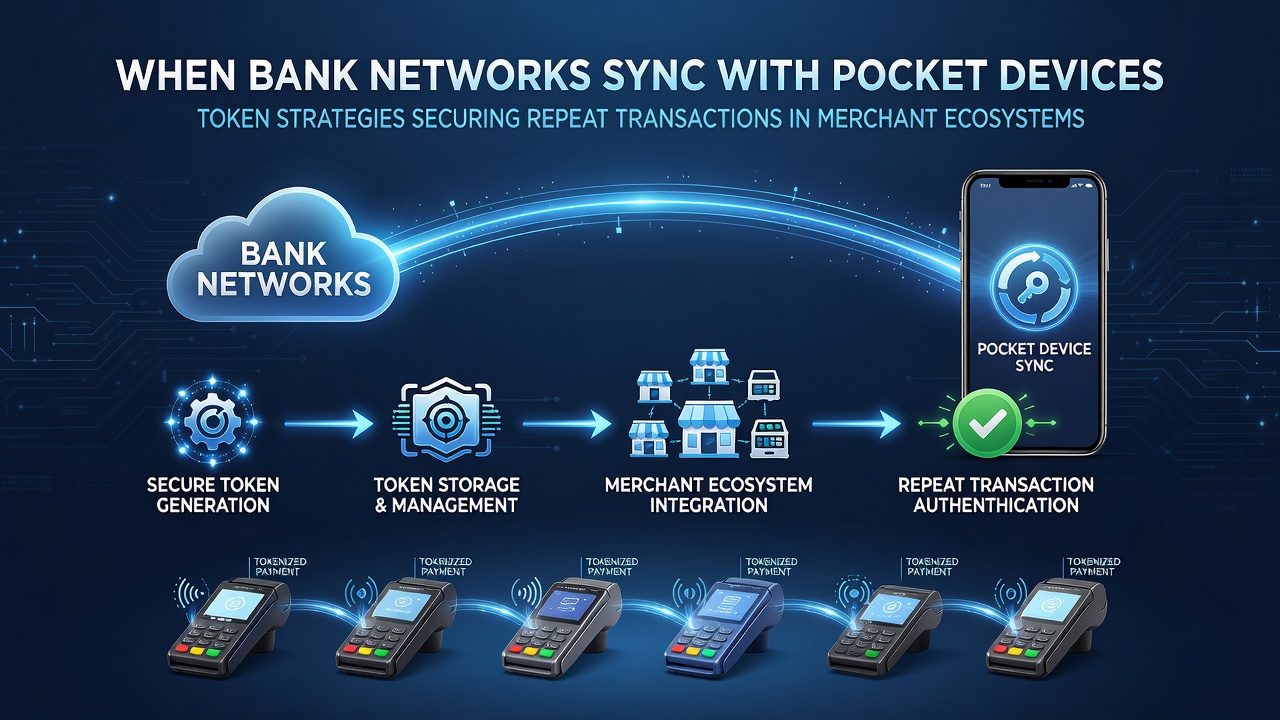
Bank networks connect with pocket devices through tokenization layers that replace card or account details with unique identifiers, allowing merchants to process repeat transactions without storing sensitive data on mobile endpoints or backend systems. This synchronization supports recurring billing models across subscription services and automated vendor payments, while data from industry reports indicates adoption rates continued climbing into July 2026 as compliance frameworks tightened around portable commerce.
Token Provisioning in Mobile-Bank Integrations
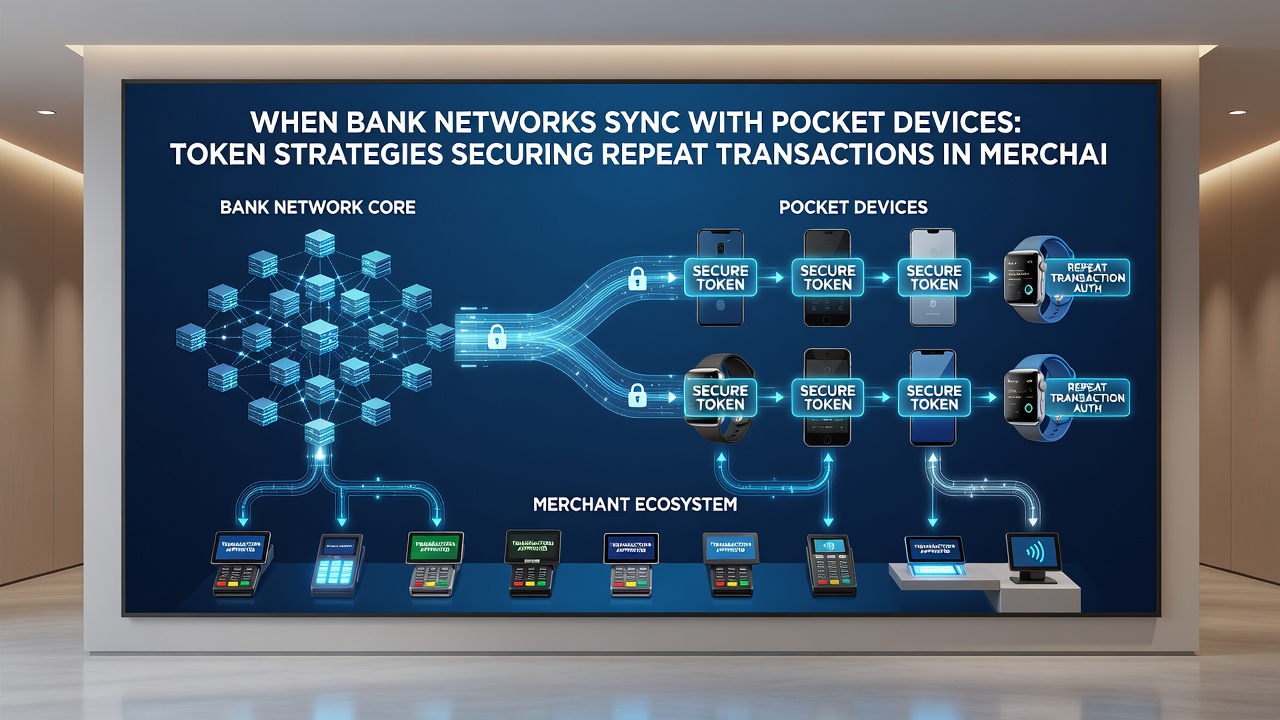
Token provisioning begins when a user links a payment method via a mobile application, prompting the issuer or network to generate a token that binds to the device and merchant identifier. Researchers at payment security organizations have documented how these tokens limit exposure because each one operates within defined parameters such as merchant category, transaction amount caps, and expiration windows. Observers note that by July 2026 many issuers had expanded support for device-bound tokens that incorporate biometric authentication signals, reducing reliance on static credentials during synchronization events between bank clearing systems and handheld terminals.
Lifecycle Management for Repeat Transaction Security
Lifecycle management encompasses issuance, storage, rotation, and revocation steps that maintain token integrity across recurring cycles. Studies from financial technology research groups show merchants achieve lower fraud incidence when tokens undergo periodic re-provisioning triggered by risk signals from the bank network. Those who've examined transaction logs find that automated revocation occurs rapidly once a device reports loss or compromise, preventing further use in merchant ecosystems even if the original payment credential remains unchanged. This process integrates with automated clearing house protocols, enabling seamless updates without interrupting subscription flows or vendor invoicing sequences.
Compliance Alignment With Network Synchronization Standards
Compliance requirements such as those outlined by the PCI Security Standards Council mandate that tokens never expose primary account numbers during mobile-bank handshakes. Data from regulatory filings reveal merchants who embed token vaults within their ecosystems satisfy these rules more consistently, particularly when handling high volumes of repeat charges. European Central Bank analyses further indicate that synchronized systems incorporating end-to-end encryption during token exchange meet data protection thresholds set for cross-border recurring payments. Integration points between pocket devices and clearing networks therefore incorporate audit trails that log every token request and response, supporting both internal reviews and external examinations.
Practical Implementations Across Merchant Platforms
Take one subscription platform that routes recurring debits through tokenized mobile sessions linked to bank accounts. The system provisions fresh tokens for each billing cycle while maintaining linkage to the original authorization, allowing merchants to adjust amounts within pre-approved ranges without new customer intervention. Industry case documentation highlights similar patterns in utility billing and software-as-a-service environments where token strategies reduce decline rates on repeat transactions. Figures from network operators confirm that such configurations maintained authorization success above baseline levels throughout the first half of 2026, even as device diversity expanded across operating systems.
Emerging Patterns in Token-Enabled Ecosystems
Additional patterns include the use of network tokens that span multiple merchants under controlled conditions, a development tracked in reports from academic payment research centers. These tokens permit limited sharing of authorization data while preserving merchant-specific segmentation, which supports ecosystem-wide repeat transaction management without violating isolation rules. Observers note continued refinement of risk-scoring algorithms that evaluate token usage patterns in real time, flagging anomalies before settlement occurs between bank networks and pocket devices. Such mechanisms operate alongside existing clearing protocols, ensuring merchants receive consistent settlement while fraud vectors remain contained.
Conclusion
Token strategies that secure repeat transactions operate through coordinated provisioning, lifecycle controls, and compliance checkpoints when bank networks sync with pocket devices. Evidence from regulatory bodies and research institutions demonstrates measurable improvements in authorization reliability and data protection within merchant ecosystems. Continued alignment between mobile interfaces and clearing systems supports scalable recurring payment models as adoption expands.