Tracing Electronic Fund Pathways: Compliance and Security in Cross-Platform Business Exchanges
Electronic fund pathways represent the digital routes that money takes when businesses exchange value through interconnected systems, and tracing these routes requires careful monitoring of every node from initiation to settlement while regulatory rules and security layers remain active throughout the journey. Observers note that modern platforms often span banking networks, fintech applications, and cloud-based ledgers, so each transfer generates data points that must align with anti-money laundering directives, data protection statutes, and real-time fraud filters. Data from global payment surveys shows that cross-platform exchanges processed more than 1.8 trillion transactions in the twelve months ending April 2026, which means tracing tools now operate at scales that demand both speed and precision.
Mechanics of Fund Pathway Tracing
Systems trace electronic funds by assigning unique identifiers to each transaction and recording metadata such as timestamps, originating accounts, beneficiary details, and intermediary institutions; these identifiers travel alongside the funds through message standards like ISO 20022, which the Bank for International Settlements adopted as a global benchmark for richer data fields. When a payment moves from a corporate treasury platform to a vendor marketplace and then onward to a supplier bank, the trail includes authorization codes, encryption keys, and routing numbers that compliance engines cross-reference against watch lists. Researchers at the Federal Reserve Bank of New York documented in 2025 that ISO 20022 adoption reduced reconciliation errors by 27 percent across participating institutions, yet the same report highlighted that legacy formats still create blind spots when platforms switch mid-transaction.
Compliance Frameworks Governing Cross-Platform Transfers
Regulatory bodies require organizations to implement know-your-customer procedures at onboarding, then maintain ongoing transaction monitoring that flags unusual patterns such as rapid velocity spikes or geographic mismatches. In the European Union, the revised Payment Services Directive (PSD2) and the upcoming Markets in Crypto-Assets Regulation impose strict traceability obligations on both traditional and digital asset exchanges, while Canada's Proceeds of Crime and Terrorist Financing Act demands similar record-keeping for any platform that processes more than 1,000 CAD in a single business day. The Monetary Authority of Singapore updated its payment services rules in early 2026 to require real-time screening against sanctions lists, and companies that fail to meet these thresholds face license suspension or daily fines reaching 1 million SGD. Observers note that compliance teams increasingly rely on shared utilities where multiple banks pool anonymized data to detect mule accounts before funds complete their cross-platform route.
Security Layers Protecting the Pathways
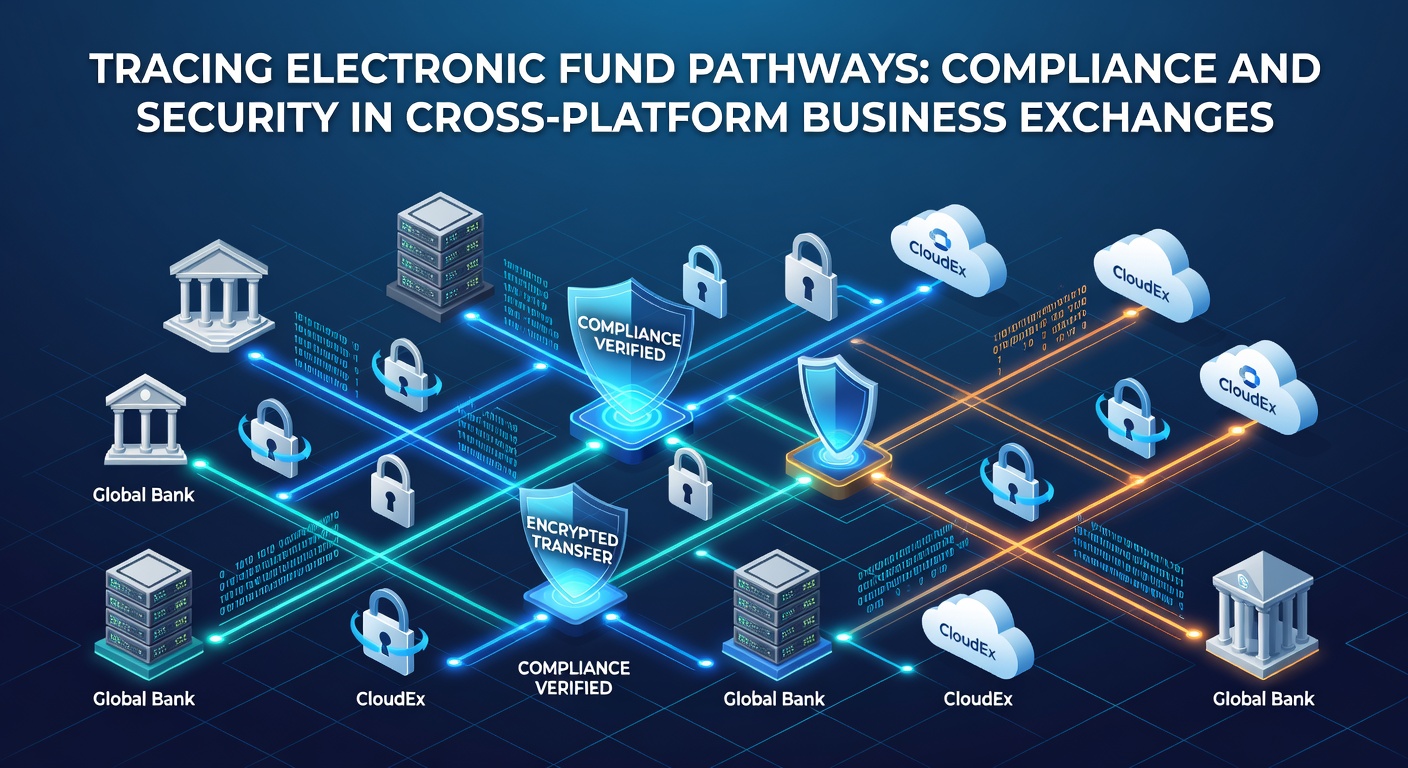
Encryption protocols such as TLS 1.3 and end-to-end application-layer encryption protect data in transit, while tokenization replaces sensitive account numbers with surrogate values that lose value if intercepted. Multi-factor authentication combines device biometrics, one-time passcodes, and behavioral analytics to verify each step along the pathway, and artificial-intelligence models trained on historical fraud patterns score transactions in milliseconds. A 2025 study released by the Australian Payments Network revealed that platforms using layered behavioral analytics reduced unauthorized transfer attempts by 41 percent compared with static rule sets alone. Those who manage cross-platform environments also deploy hardware security modules to safeguard cryptographic keys and conduct regular penetration testing that simulates nation-state level attacks on the fund routing infrastructure.
Cross-Platform Integration Challenges
Business exchanges rarely stay within a single vendor ecosystem, so funds often pass through APIs, middleware, and settlement engines that each apply their own compliance filters; mismatches in data schemas or time-zone handling can break the continuity of the trace. Experts at the International Monetary Fund pointed out in a March 2026 working paper that interoperability gaps between major cloud payment providers and domestic clearing houses still account for 14 percent of delayed settlements in emerging markets. Companies address these gaps by adopting standardized API schemas and maintaining audit logs that reconstruct the entire journey even when an intermediary platform uses proprietary formats. Real-time dashboards now aggregate alerts from every connected system, allowing compliance officers to pause a transaction across all platforms until manual review clears the flag.
Developments Expected by Mid-2026
By May 2026 several jurisdictions will require mandatory disclosure of beneficial ownership information within payment messages, which will tighten the ability to obscure fund origins across platforms. The G20 cross-border payments roadmap targets a 50 percent reduction in average settlement time by 2027, and pilot programs already demonstrate that combining central bank digital currency rails with traditional messaging reduces intermediary hops. Industry reports indicate that firms investing in unified tracing platforms achieve 33 percent faster regulatory reporting cycles while maintaining lower false-positive rates in their fraud systems. These changes arrive alongside heightened expectations for environmental, social, and governance reporting on the energy consumption of high-volume transaction networks.
Conclusion
Tracing electronic fund pathways in cross-platform business exchanges combines granular data capture, layered security controls, and evolving regulatory mandates that together determine whether funds reach their intended destination without interruption or violation. Organizations that align their internal systems with emerging standards such as ISO 20022 and real-time sanctions screening position themselves to meet both current obligations and the additional requirements scheduled for 2026 and beyond. Continued collaboration between regulators, technology providers, and academic researchers will shape the next generation of tools capable of following every digital dollar across an increasingly interconnected financial landscape.