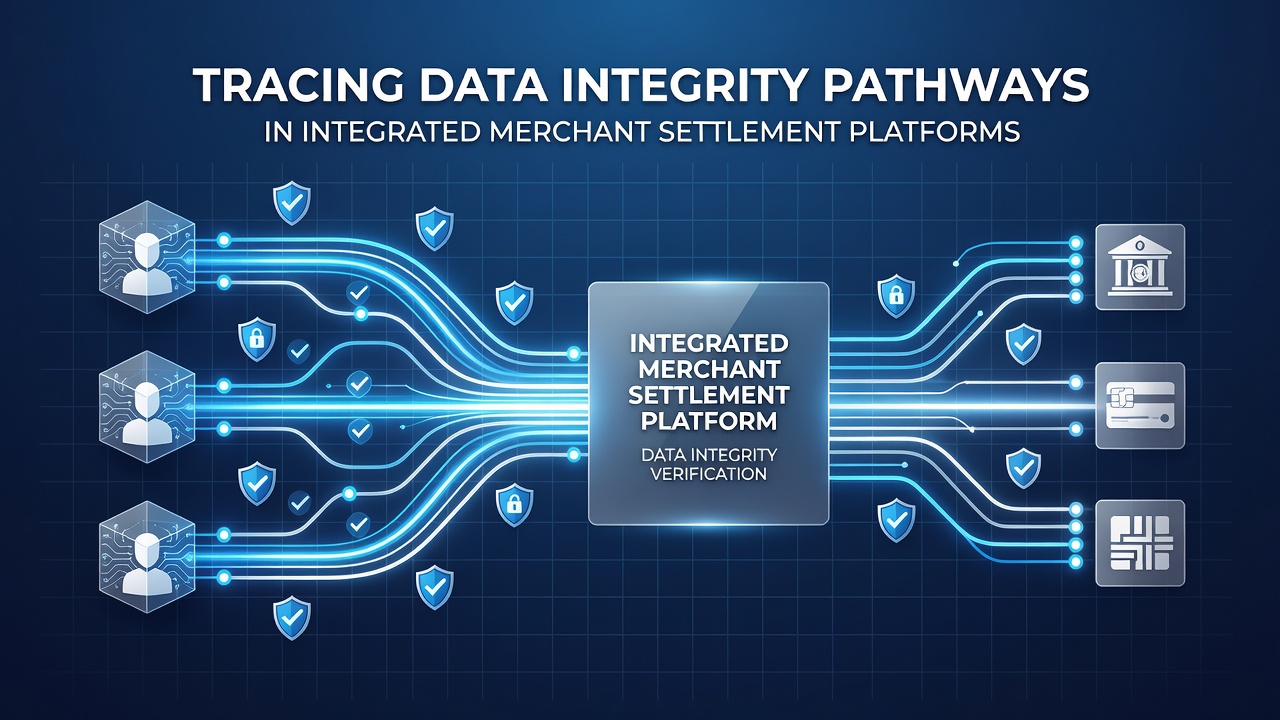
Tracing Data Integrity Pathways in Integrated Merchant Settlement Platforms
Integrated merchant settlement platforms connect transaction initiation points with banking networks through layered data pathways that require continuous verification at each stage, and observers note these systems handle billions of daily transfers while maintaining accuracy through embedded validation protocols. Data moves from point-of-sale devices or mobile applications into centralized processing engines where initial checks confirm format consistency and authorization details before routing proceeds further along the chain.
Data Entry and Initial Validation Layers
Transaction records enter settlement platforms via APIs that enforce schema compliance, and researchers have documented how checksum algorithms detect alterations during this handoff while encryption standards protect payload contents from interception. Studies from payment infrastructure analyses show that error rates drop significantly when platforms apply real-time duplicate detection alongside tokenization of sensitive card or account identifiers. Those who've examined production logs find that mismatched timestamps or currency codes trigger automated rejection workflows before data advances to the next stage.
August 2026 brings expanded requirements for cross-border data labeling under updated international frameworks, which forces platforms to tag settlement records with origin jurisdiction markers at the point of capture. Industry reports indicate these markers streamline downstream reconciliation while reducing disputes over applicable regulatory rules. Experts tracking platform upgrades report that legacy systems without native support for these tags face migration timelines stretching into late 2027.
Routing Through Clearing and Settlement Networks
Once validated, data packets travel into automated clearing house connectors or card network interfaces where settlement platforms map transaction details against merchant account profiles, and data integrity checks here include sequence numbering plus hash verification to confirm no packets were dropped during transmission. According to Federal Reserve payment system documentation, reconciliation engines compare incoming batches against outgoing instructions multiple times per cycle to surface discrepancies before final posting occurs.
Platforms often integrate machine learning models trained on historical settlement patterns to flag anomalies such as unusual velocity spikes or geographic mismatches, and figures from operational reviews reveal these models catch a measurable share of integrity issues that rule-based filters miss. The models update continuously using feedback from resolved cases, which keeps detection thresholds aligned with evolving transaction behaviors observed across merchant segments.
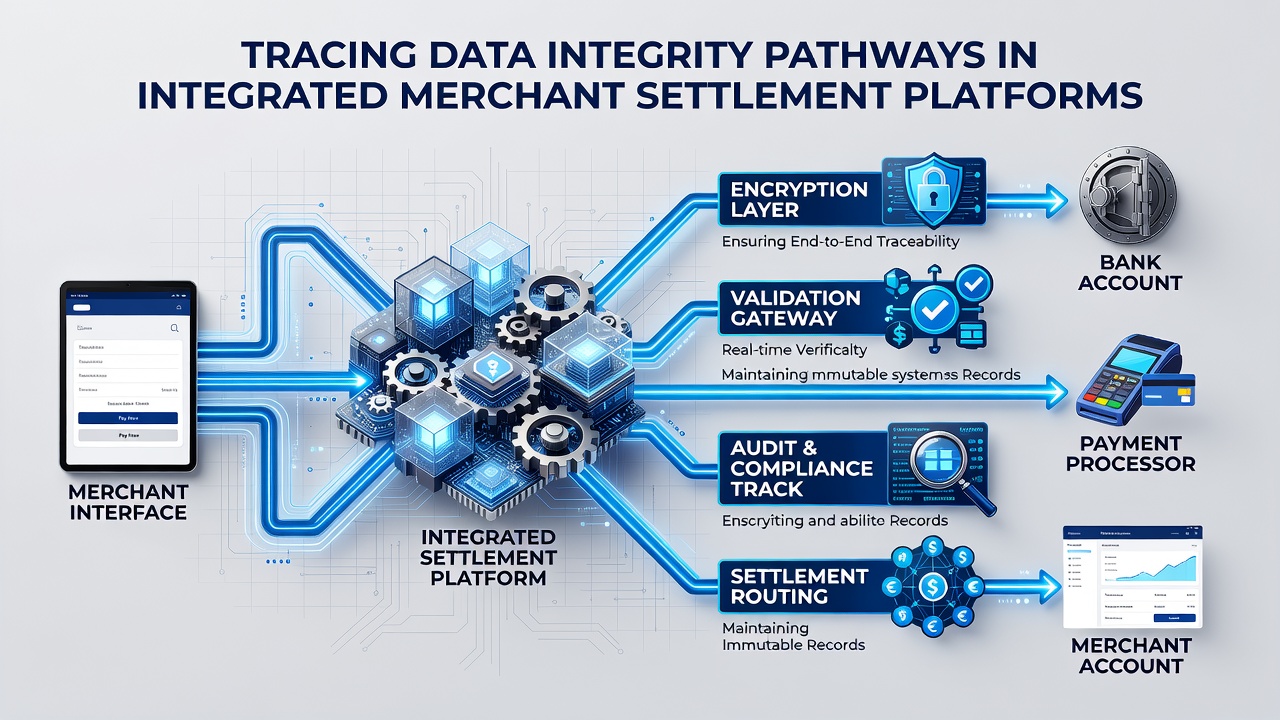
Audit Trails and Compliance Verification
Every data hop leaves immutable logs that auditors later trace to reconstruct full settlement journeys, and PCI Security Standards Council guidelines emphasize retention of these logs for at least one year with searchable indexing. European Central Bank analyses of payment ecosystems highlight how timestamp synchronization across distributed nodes prevents disputes during post-settlement reviews. Observers note that platforms incorporating distributed ledger elements for log storage achieve faster query responses during regulatory examinations.
Token exchange mechanisms between mobile billing tools and clearing networks add another integrity layer because each token carries embedded expiration and usage constraints that settlement engines validate before releasing funds. Research papers on recurring billing architectures describe how these constraints block replay attempts while preserving merchant cash flow predictability. Data from NACHA operating reports shows ACH return rates remain stable when platforms enforce token-level validation at every integration point.
Integration Challenges Across Multi-Channel Environments
Merchants operating across web, mobile, and in-store channels generate fragmented data streams that settlement platforms must unify without introducing transcription errors, and middleware layers perform format normalization before aggregation occurs. Case studies from large-scale deployments demonstrate that asynchronous queuing systems with retry logic maintain throughput during peak volumes while preserving message order. Those monitoring live environments report that monitoring dashboards surface latency spikes early enough for operators to reroute traffic around degraded nodes.
Security protocols require mutual authentication between each connected service so that unauthorized endpoints cannot inject records into the settlement flow, and encryption at rest plus in transit satisfies most regional data protection mandates. Bank of Canada publications on retail payment modernization stress the importance of end-to-end encryption when platforms bridge legacy batch systems with real-time rails. Implementation timelines for these upgrades often align with quarterly release cycles to minimize service interruptions.
Conclusion
Tracing data integrity pathways in integrated merchant settlement platforms reveals a sequence of validation points, encryption controls, and audit mechanisms that collectively safeguard transaction accuracy from capture through final posting. Continued evolution of these pathways through 2026 and beyond will depend on coordinated updates to technical standards and regulatory labeling requirements across jurisdictions. Platforms that maintain comprehensive logging and adaptive verification stand positioned to meet both operational demands and compliance obligations as settlement volumes grow.