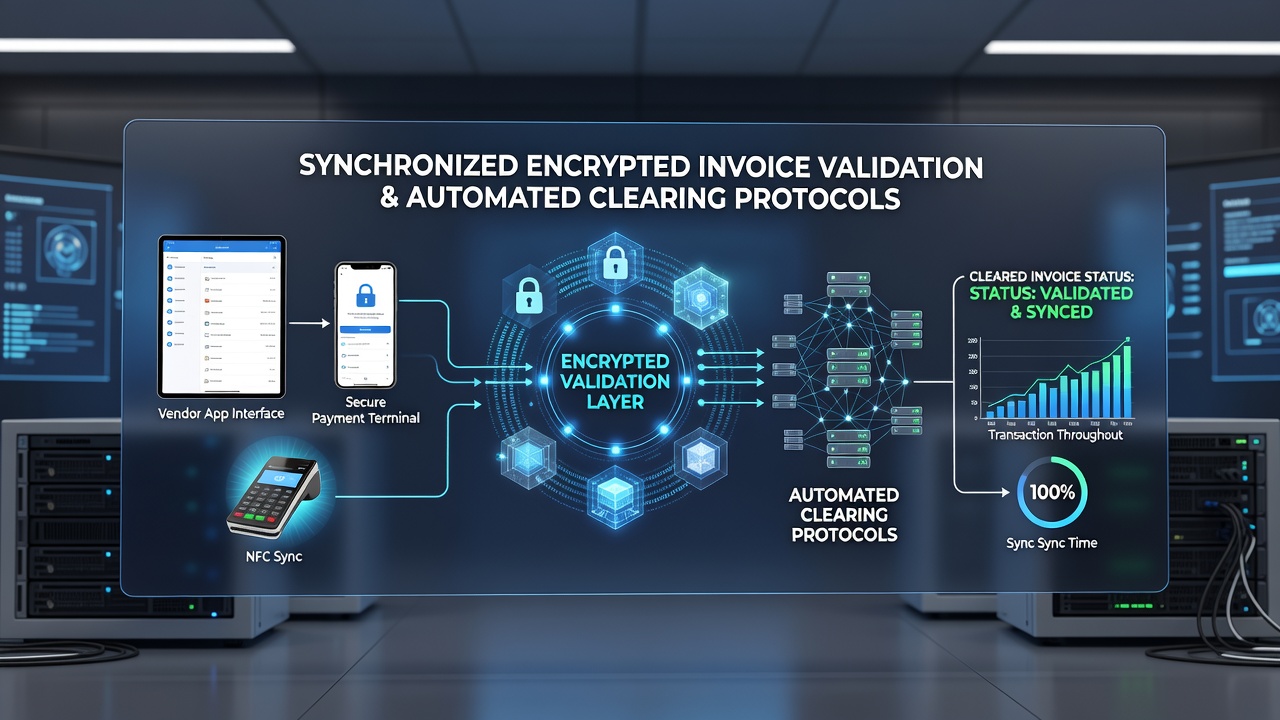
The Synchronization of Encrypted Invoice Validations with Automated Clearing Protocols Across Mobile Vendor Platforms
Payment systems in mobile commerce rely on precise coordination between encrypted invoice validations and automated clearing protocols to maintain transaction integrity across vendor platforms. This synchronization ensures that invoice data remains protected during transmission while aligning with clearing house requirements for fund transfers. Researchers at institutions tracking electronic payments have documented how these processes operate through standardized APIs that bridge mobile applications and banking networks.
Encryption standards such as AES-256 secure invoice details at the point of creation on vendor devices, and validation occurs before any data reaches clearing protocols. Automated clearing houses process these validated transactions in batches, typically settling within one to two business days depending on the network and region. Observers note that mobile vendor platforms must maintain compatibility with both iOS and Android operating systems to handle these steps without interruption.
Core Mechanisms in Invoice Encryption and Validation
Vendor applications generate invoices that undergo immediate encryption using public key infrastructure, which ties each document to a unique digital signature. Validation layers then cross-check the encrypted payload against merchant account details stored in secure token vaults. This step prevents mismatches that could disrupt downstream clearing. Data from payment industry reports indicates that such layered validation reduces authorization errors by aligning invoice metadata with real-time account status checks.
Once validation completes, the system prepares the transaction for automated clearing by formatting the encrypted invoice into standardized messages compatible with ACH or equivalent networks. These messages carry only the necessary routing information while keeping sensitive payer data tokenized. Experts have observed that this approach supports compliance with frameworks like PCI DSS across multiple jurisdictions.
Integration with Automated Clearing Networks
Automated clearing protocols receive the validated invoice data through dedicated gateways that enforce timing and sequencing rules. In the United States, the Federal Reserve's ACH network handles the bulk of these transfers, while parallel systems operate in other regions such as the European Central Bank's TARGET2 for euro-denominated settlements. Synchronization requires that validation confirmations arrive before batch cut-off times to avoid delays in fund movement.
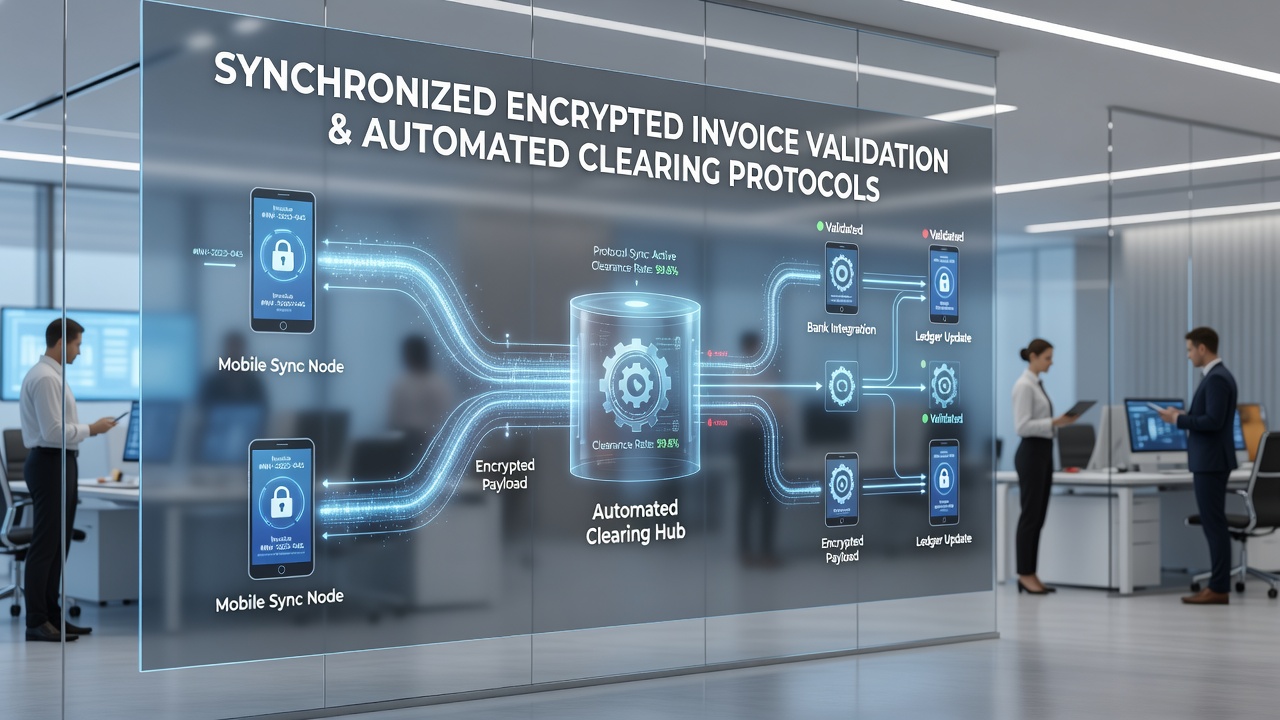
Mobile platforms achieve this coordination via event-driven APIs that trigger clearing submissions immediately after successful invoice validation. Real-time monitoring tools track the handoff between encryption servers and clearing endpoints, logging each step for audit purposes. Figures from regulatory bodies show steady growth in mobile-initiated ACH transactions, with volumes increasing as vendors adopt these synchronized workflows.
Platform-Specific Considerations for Mobile Vendors
Different mobile ecosystems impose distinct requirements on how encrypted validations interface with clearing protocols. Android devices often leverage hardware-backed keystores for key management, whereas iOS platforms utilize Secure Enclave technology to protect validation keys during invoice processing. Both approaches feed into the same clearing pipeline once the encrypted data exits the device.
Cross-platform vendor tools must account for variations in push notification timing and background processing limits to ensure validations complete before clearing batches form. Industry analyses reveal that vendors operating on multiple operating systems maintain separate middleware layers to normalize these differences while preserving end-to-end encryption. By July 2026, updates to mobile security frameworks had prompted many platforms to enhance these middleware components for continued interoperability.
Compliance and Security Standards Across Regions
Regulatory expectations shape how synchronization occurs. In Canada, the Canadian Payments Association oversees clearing rules that intersect with encryption mandates, while Australian authorities through the Reserve Bank of Australia emphasize data protection in mobile payment flows. Vendors must demonstrate that validation processes meet these standards before transactions enter automated clearing sequences.
Tokenization plays a central role in maintaining compliance because it replaces account numbers with non-sensitive equivalents during the validation stage. This substitution allows clearing protocols to proceed without exposing full card or account details across mobile networks. Research from academic studies on payment security has confirmed that properly implemented tokenization lowers exposure risks during the handoff between validation and settlement.
Conclusion
The synchronization of encrypted invoice validations with automated clearing protocols continues to evolve as mobile vendor platforms expand their reach. Technical standards, regional regulations, and operating system capabilities collectively determine how these elements align in practice. Observers tracking payment infrastructure report ongoing refinements in API design and encryption methods that support efficient, secure batch processing across diverse networks.