
The Architecture of Digital Fund Transfers
Digital fund transfers operate through layered systems that move value between accounts while maintaining records and meeting regulatory requirements, and observers note that these frameworks handle billions of transactions daily across multiple channels. Experts track how authorization requests travel from merchants to acquiring banks, then route through card networks or clearing houses before reaching issuing institutions for approval decisions.
Core Components of Transfer Systems
Authorization serves as the initial gate where transaction details undergo verification against available funds or credit limits, and data shows this step typically completes in seconds for most card-based exchanges. Settlement follows later, often within one to three business days, when actual funds move between financial institutions through established clearing mechanisms. Researchers highlight that reconciliation processes ensure every transfer matches its original authorization record, reducing discrepancies that could otherwise accumulate across high-volume operations.
Batch processing remains common for certain merchant types, where multiple transactions aggregate before submission to networks, whereas real-time rails handle urgent transfers that demand immediate confirmation. According to figures from the Federal Reserve, the volume of automated clearing house entries continues to rise each year as businesses adopt electronic methods over paper checks.
Security Measures and Compliance Requirements
Encryption protocols protect data during transmission, while tokenization replaces sensitive card numbers with unique identifiers that hold no intrinsic value if intercepted. Industry standards require merchants to maintain secure environments, and compliance assessments occur regularly to verify adherence to these protocols. In August 2026, updated reporting thresholds for certain high-value transfers are scheduled to take effect under revised federal guidelines, prompting organizations to adjust their monitoring systems accordingly.
Multi-factor authentication adds another verification layer for account access, and anomaly detection tools flag unusual patterns such as sudden spikes in transaction amounts or geographic mismatches. Those who manage payment operations often implement these tools to limit exposure before issues escalate into larger incidents.
Integration Across Business Types
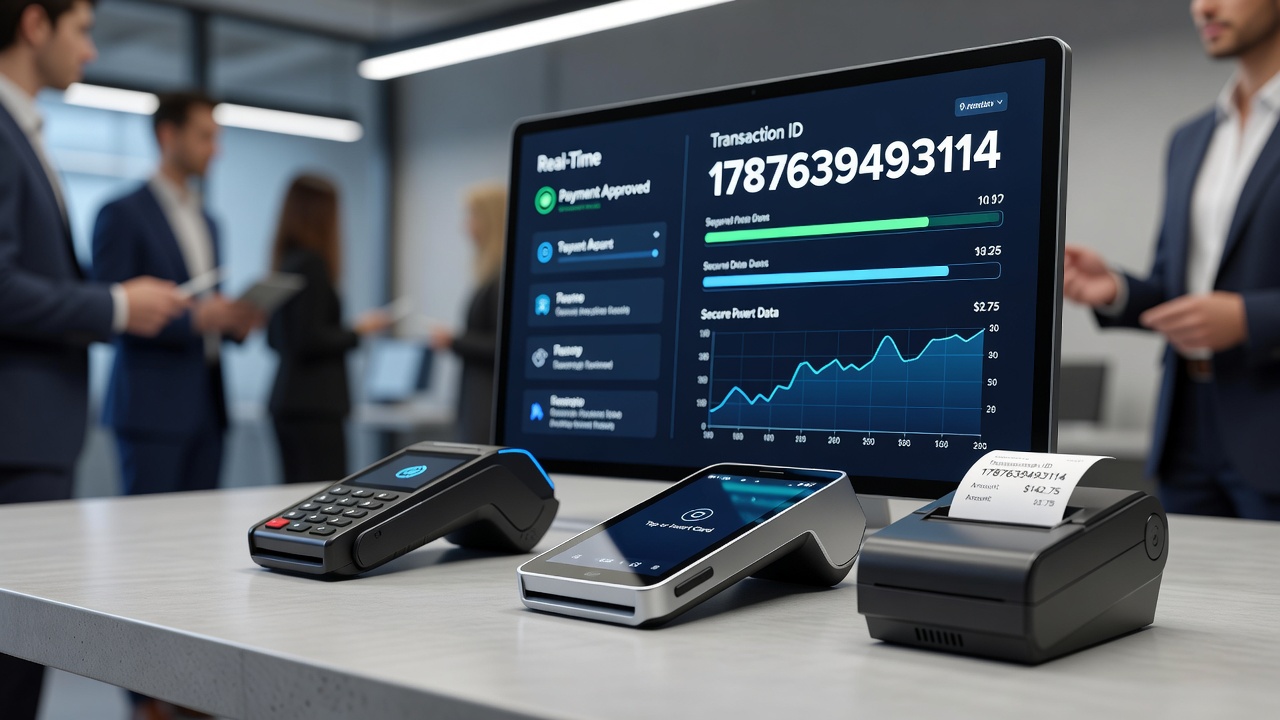
Retail environments rely on point-of-sale terminals that connect directly to processing networks, while e-commerce platforms use application programming interfaces to embed payment functions within checkout flows. Wholesale and business-to-business transactions frequently employ electronic data interchange formats that align purchase orders with subsequent payments, creating traceable records throughout the cycle. Studies from the Bank for International Settlements indicate that cross-border transfers now incorporate additional compliance checks to address varying regional requirements without disrupting overall flow.
Smaller operations sometimes partner with third-party providers that aggregate volumes to negotiate better rates, and these arrangements allow access to infrastructure that would otherwise require substantial investment. Larger enterprises maintain direct connections that offer greater control over data routing and reporting capabilities.
Emerging Developments in Transfer Technology
Instant payment networks continue expanding their reach, enabling same-day or near-real-time movement of funds between accounts at participating institutions. Observers track pilot programs testing interoperability between domestic systems and international counterparts, aiming to reduce delays that currently affect cross-region exchanges. Data indicates that adoption rates vary by sector, with service industries showing faster uptake compared to sectors accustomed to longer settlement windows.
Standardization efforts focus on message formats that allow different networks to communicate more efficiently, and working groups composed of financial institutions and technology providers collaborate on these specifications. Progress in this area supports smoother operations when businesses accept payments from multiple sources simultaneously.
Conclusion
Digital fund transfer systems form the backbone of modern commercial activity through coordinated authorization, settlement, and reconciliation steps that maintain accuracy and security. Regulatory updates scheduled for 2026 will further shape reporting practices, while ongoing technology refinements support faster and more interconnected operations across regions. Organizations that align their processes with these evolving standards position themselves to handle increasing transaction volumes effectively.