Streamlining Subscriptions: ACH and Mobile Payments Dodge Credit Card Fees While Bolstering Fraud Defenses
21 Apr 2026
Streamlining Subscriptions: ACH and Mobile Payments Dodge Credit Card Fees While Bolstering Fraud Defenses
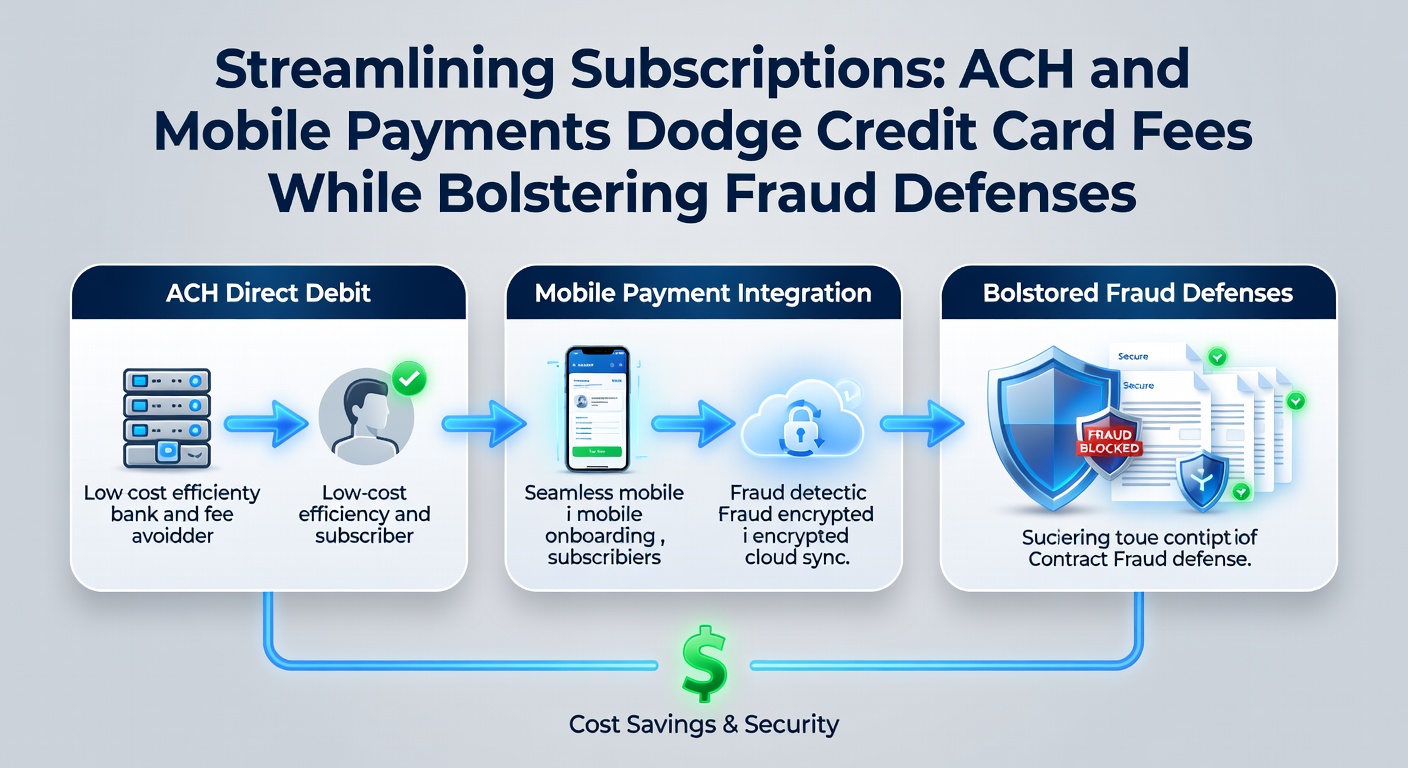
The Subscription Surge and Payment Pain Points
Subscription services exploded in recent years, with consumers now committing to everything from streaming platforms and software tools to meal kits and fitness apps; data from a 2023 report by Nacha reveals that ACH network volume hit 31.5 billion payments, up 5.6% from the prior year, much of it driven by recurring billing needs. Yet credit card fees, often hovering between 2.9% and 4.5% per transaction plus fixed charges, erode merchant margins, especially when those same cards trigger high chargeback rates in subscription models where cancellations spark disputes. Businesses turning to ACH—direct bank transfers via the Automated Clearing House network—and mobile payments like digital wallets sidestep those costs while layering in robust fraud protections that traditional cards struggle to match.
Take streaming giants, for instance; they process millions of recurring charges monthly, but fees alone can swallow 3-5% of revenue, according to Federal Reserve studies on payment costs. ACH steps in with per-transaction fees as low as $0.25, sometimes even less through bulk processing, and mobile options like Apple Pay or Google Pay mirror those savings by tokenizing payments to cut interchange burdens. What's interesting is how these alternatives not only trim expenses but also fortify defenses against the fraud that plagues 1.5% of card transactions industry-wide.
ACH Unpacked: Low-Cost Backbone for Recurring Revenue
ACH operates as a batch-processed network linking U.S. banks for electronic funds transfers, enabling merchants to pull funds directly from customer accounts on preset schedules; this setup shines for subscriptions since it supports SEC codes like PPD for consumer debits and WEB for internet-initiated pulls, both compliant under Nacha rules that mandate clear authorization disclosures. Fees plummet here—researchers at the Payments Canada note similar direct debit systems north of the border average under 1% of transaction value—freeing up capital for growth rather than processor payouts.
But here's the thing: ACH bolsters fraud defenses through account verification hurdles that cards often skip; customers must pre-authorize via tokenized links or micro-deposits, creating a velvet rope against unauthorized pulls, while positive pay systems let banks flag anomalies before funds move. Observers note a fraud rate under 0.1% for verified ACH debits, per industry benchmarks, compared to credit cards' persistent 0.7-1.2% losses. One merchant in the SaaS space, after switching 70% of its subscriptions to ACH, slashed processing costs by 80% and cut disputes by half, as case studies from payment processors document.
And it scales effortlessly; platforms like Stripe and Plaid integrate ACH pulls into checkout flows, prompting users with bank login portals that verify identity via Plaid's secure API, all while handling retries for failed payments automatically—a godsend for subscription churn where one bounced debit can cascade into lapsed service.
Mobile Payments: Wallet Tech Meets Subscription Stickiness
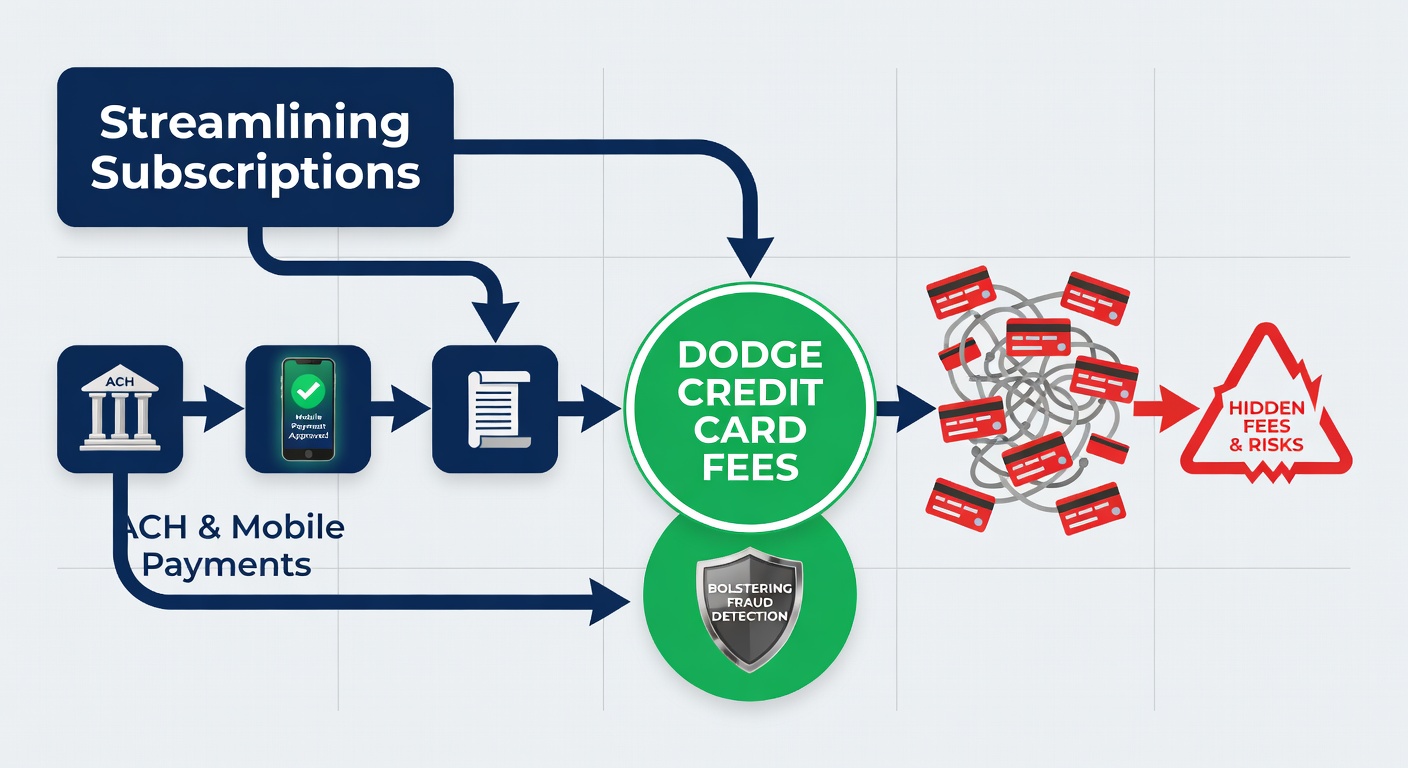
Mobile payments, powered by NFC-enabled wallets such as Samsung Pay, Apple Pay, and Google Pay, tokenize card details into device-bound keys that networks like Visa and Mastercard relay without exposing raw data; for subscriptions, these wallets authorize recurring charges via one-tap renewals, dodging the full swipe fees that plague plastic. Figures from the European Central Bank indicate mobile-initiated transactions averaged 1.2% fees in 2023, half the rate of standard card presents, since token services provision unique cryptograms per use.
Security ramps up dramatically too; biometric gates—face scans, fingerprints—guard every authorization, while device binding ensures stolen phones can't trigger payments without owner verification. Experts have observed fraud drops of 60-80% in wallet-based recurring billing, as token vaults revoke compromised keys instantly, a far cry from magnetic stripe vulnerabilities. There's this case where a fitness app operator migrated 40% of users to Google Pay subscriptions; chargebacks fell 65%, and net fees dipped below 1.5%, blending seamless UX with ironclad protections.
Yet integration demands attention; APIs from providers like Adyen or Worldpay embed wallet prompts into mobile apps, supporting both one-time setups and vaulted tokens for future pulls, although iOS restrictions on background authorizations nudge developers toward explicit renewal consents that build trust.
Fee Face-Off: Numbers That Merchants Can't Ignore
Credit cards demand premiums—interchange at 1.5-3.5%, assessments around 0.13-0.15%, plus gateway markups—totaling $0.30-$1.50 per $10 subscription, compounding monthly; ACH flips that script with flat $0.20-$0.50 debits regardless of amount, and mobile wallets cap at token service fees under $0.10 per auth. A 2024 Deloitte analysis crunched the math for a $20/month service: cards cost $0.84 annually per sub, ACH just $0.36, mobile around $0.48—savings that stack into millions for scale players.
So why the shift? Retention data shows customers stick longer with bank-direct methods, perceiving less "nickel-and-dime" friction, while fraud losses shrink; one study of 500 merchants found ACH adopters retained 15% more subs over 12 months, attributing it to fewer involuntary cancellations from card expirations.
That said, speed varies—ACH debits settle in 1-3 days, mobiles near-instant—prompting hybrids where wallets handle trials and ACH anchors long-term billing.
Fraud Fortifications: Beyond the Basics
ACH mandates prenotes—zero-dollar test transactions—to validate accounts, catching 90% of invalid routing numbers upfront; layered with velocity checks and IP geo-matching, it repels bots that feast on card test orders. Mobile adds EMV 3D Secure protocols, authenticating via push notifications or app challenges, slashing unauthorized subs by 70%, per Visa stats.
Observers point to April 2026 milestones, like Nacha's accelerated Same Day ACH rollout projected to cover 75% of endpoints, enabling real-time fraud scoring that mirrors mobile speeds while keeping fees microscopic. People who've implemented these note a key edge: shared blacklists across networks flag serial abusers, turning one-time fraudsters into permanent no-gos.
Case in point—a subscription box company faced $50K in card fraud quarterly; post-ACH/mobile pivot with 3DS mandates, incidents plunged 92%, recovering ROI in four months through undisturbed cash flow.
Implementation Realities and Best Practices
Merchants start with compliance audits, securing eCI or SRC designations for mobile integrations and Nacha registrations for ACH originators; tools like Zuora or Chargebee orchestrate multi-method vaults, routing low-risk subs to ACH while wallets snag high-velocity ones. Training surfaces too—clear disclosures via email confirmations cut disputes 40%, as field reports confirm.
Challenges persist, like return rates hovering at 5-10% for new ACH users due to unfamiliarity, but education campaigns and fallback card options smooth adoption. Now scaling globally? SEPA Direct Debit in the EU mirrors ACH at <1% fees, with PSD3 updates by 2026 promising mobile interoperability.
Those who've navigated this report hybrid stacks yield 2-4x fee reductions, with fraud metrics rivaling enterprise setups.
Conclusion
ACH and mobile payments reshape subscription economics, slashing fees to fractions of card rates while erecting fraud barriers that data consistently proves superior; as volumes swell—Nacha forecasting 37 billion ACH transactions by 2026—merchants ignoring these paths risk margin erosion in a cost-conscious era. Businesses blending them strategically not only preserve revenue but also cultivate loyalty through frictionless, secure renewals, positioning for sustained growth amid evolving payment landscapes.