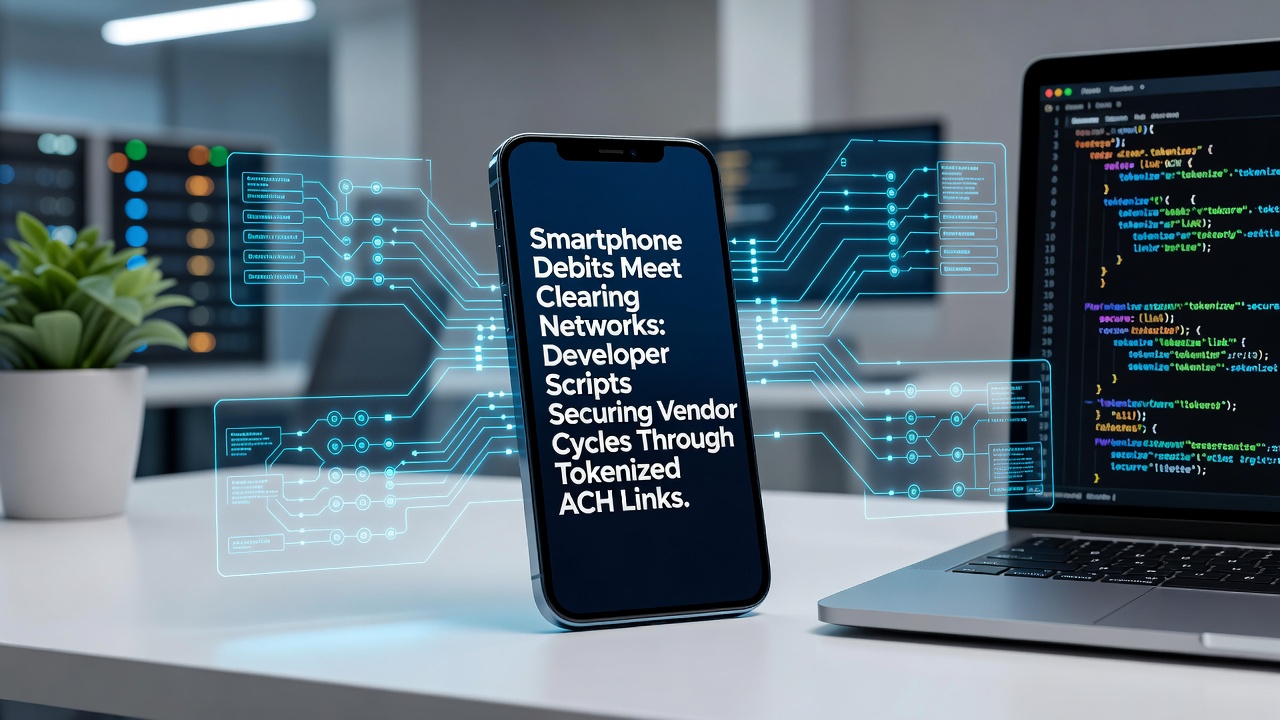
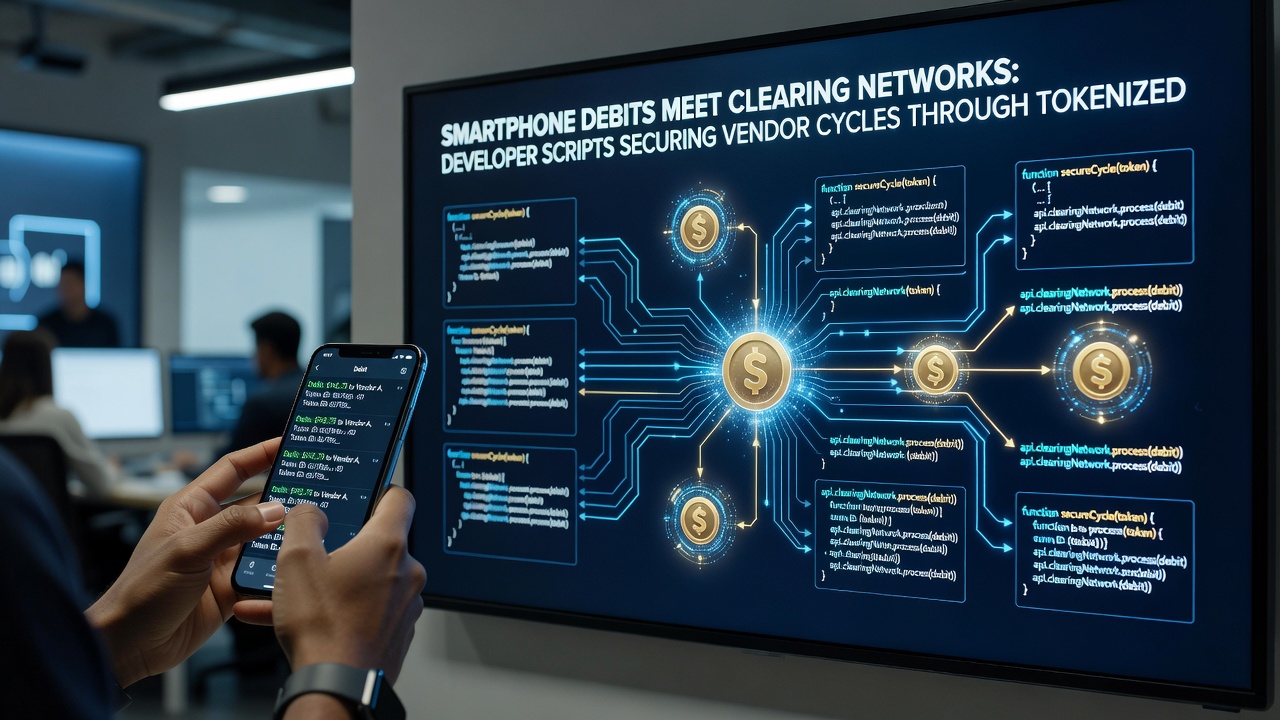
Smartphone Debits Meet Clearing Networks: Developer Scripts Securing Vendor Cycles Through Tokenized ACH Links
Smartphone debit transactions now connect directly to automated clearing house networks through tokenized ACH links that developers build into vendor applications, and these connections stabilize recurring payment cycles by replacing raw bank details with secure tokens that limit exposure during each transfer cycle. Observers note that integration scripts handle authentication steps while maintaining compliance with network rules established by organizations such as the Federal Reserve.
As of June 2026, payment platforms report expanded use of these tokenized pathways in mobile environments where vendors process monthly subscriptions and service renewals, and the scripts manage authorization flows that route debits through clearing houses without storing sensitive account numbers on devices or servers. Researchers at academic institutions have documented similar patterns in studies examining electronic fund transfers across portable commerce setups.
Core Mechanics of Tokenized ACH Connections
Tokenization replaces account and routing numbers with unique identifiers that banks generate for specific merchant relationships, and developer scripts embed these tokens into mobile checkout sequences so each debit request carries only the token plus transaction metadata when it reaches the ACH operator. This approach reduces the surface area for data interception while allowing vendors to initiate repeats without repeated customer re-entry of banking credentials.
Clearing networks process these tokenized requests in batch windows that typically settle within one to two business days, and the scripts include retry logic that aligns with network return codes for issues such as insufficient funds or account changes. Data from payment system reports shows steady growth in ACH volume tied to mobile channels over recent years.
Developer Scripts and Their Role in Cycle Security
Scripts written in common languages such as Python or JavaScript interact with bank APIs and ACH processors to orchestrate token requests, storage, and usage during vendor billing runs, and they incorporate encryption layers that protect tokens both in transit and at rest on backend systems. Those who implement these tools often combine them with webhook handlers that receive real-time status updates from clearing networks.
One documented case involved a subscription platform that integrated tokenized ACH after experiencing repeated authorization failures, and the updated scripts reduced failed debits by routing each request through a verification step that confirmed token validity before submission. Industry reports indicate such patterns appear across multiple vendor types handling recurring revenue.
Compliance Pathways and Network Standards
ACH rules require proper authorization records for each debit, and tokenized links allow vendors to store evidence of consent without retaining full account details, which aligns with guidelines from bodies including the Federal Reserve and international counterparts such as the Bank of Canada. Scripts often log authorization timestamps and customer acknowledgments to support audit requests from network operators.
European payment frameworks have influenced similar token practices in cross-border scenarios, and developers adapt their code to meet varying retention and disclosure standards depending on the jurisdictions served. Research papers from university finance departments have examined how these adaptations affect processing times and error rates in mobile-initiated transfers.
Practical Integration Examples in Vendor Operations
Vendors in service industries use mobile apps that trigger tokenized ACH debits when customers select bank payment at signup, and the scripts coordinate with clearing schedules to batch multiple customer transactions into single files sent to the network. This batching lowers per-transaction costs while the tokens ensure each item routes correctly without exposing original account data.
Another implementation appears in utility billing apps where monthly charges pull from customer bank accounts via pre-authorized tokens, and developers embed monitoring that flags unusual patterns such as repeated returns so the system can prompt customers for updated authorization. Figures from network operators reveal continued expansion of such ACH mobile volumes through the first half of 2026.
Security Considerations During Token Lifecycle
Tokens carry expiration parameters and usage limits that scripts enforce to prevent reuse beyond intended cycles, and revocation occurs through direct calls to the issuing bank when a customer cancels a subscription or reports an issue. These controls complement standard encryption and access restrictions that protect the overall payment environment.
Observers tracking payment security note that tokenized ACH reduces the value of any intercepted data because the tokens function only within the specific merchant relationship for which they were issued. Academic analyses of electronic payment systems have highlighted measurable drops in certain fraud vectors after token adoption in recurring billing flows.
Conclusion
Tokenized ACH links paired with developer scripts continue to shape how smartphone debits integrate with clearing networks, and the resulting infrastructure supports secure vendor cycles by limiting data exposure while preserving efficient settlement. Continued refinement of these connections aligns with evolving network standards and compliance expectations across regions.