Payment Processing Infrastructure in Global Commerce
Data from central banking authorities shows that payment processing systems handle trillions of transactions annually across card networks, automated clearing houses, and emerging real-time rails, with merchants relying on acquirers to route authorizations through payment networks while issuers verify funds and approve or decline requests in milliseconds.
Core Components of Transaction Authorization
Payment processing begins when a customer initiates a purchase and the merchant's terminal or online gateway transmits details to an acquiring bank, which then forwards the request to card networks or alternative systems for verification against the issuing bank's records, and settlement follows once funds transfer through interbank channels on schedules determined by network rules and regulatory requirements.
Researchers at institutions tracking financial infrastructure note that authorization messages contain standardized data fields including account numbers, transaction amounts, merchant identifiers, and cryptographic tokens designed to reduce exposure during transmission, whereas clearing aggregates these messages for batch settlement that typically occurs within one to three business days depending on the payment type and jurisdiction.
Regulatory Frameworks Across Regions
According to teh Federal Reserve's payment system reports, operators in the United States must comply with rules governing electronic fund transfers under Regulation E alongside data security standards maintained by the PCI Security Standards Council, while European operators follow the Revised Payment Services Directive that mandates strong customer authentication and open banking interfaces for third-party providers.
Figures released by the Bank for International Settlements reveal that Asia-Pacific markets have accelerated adoption of unified payment interfaces in countries such as India and Singapore, where central banks coordinate with commercial entities to link bank accounts directly to instant transfer systems that operate twenty-four hours daily and settle in seconds rather than days.
Integration of ACH and Mobile Channels
Payment processors connect traditional automated clearing house networks to mobile applications through APIs that allow businesses to initiate direct debits from customer bank accounts, and this linkage reduces reliance on card networks for recurring billing while requiring additional compliance layers to meet NACHA operating rules in the United States and equivalent standards elsewhere.
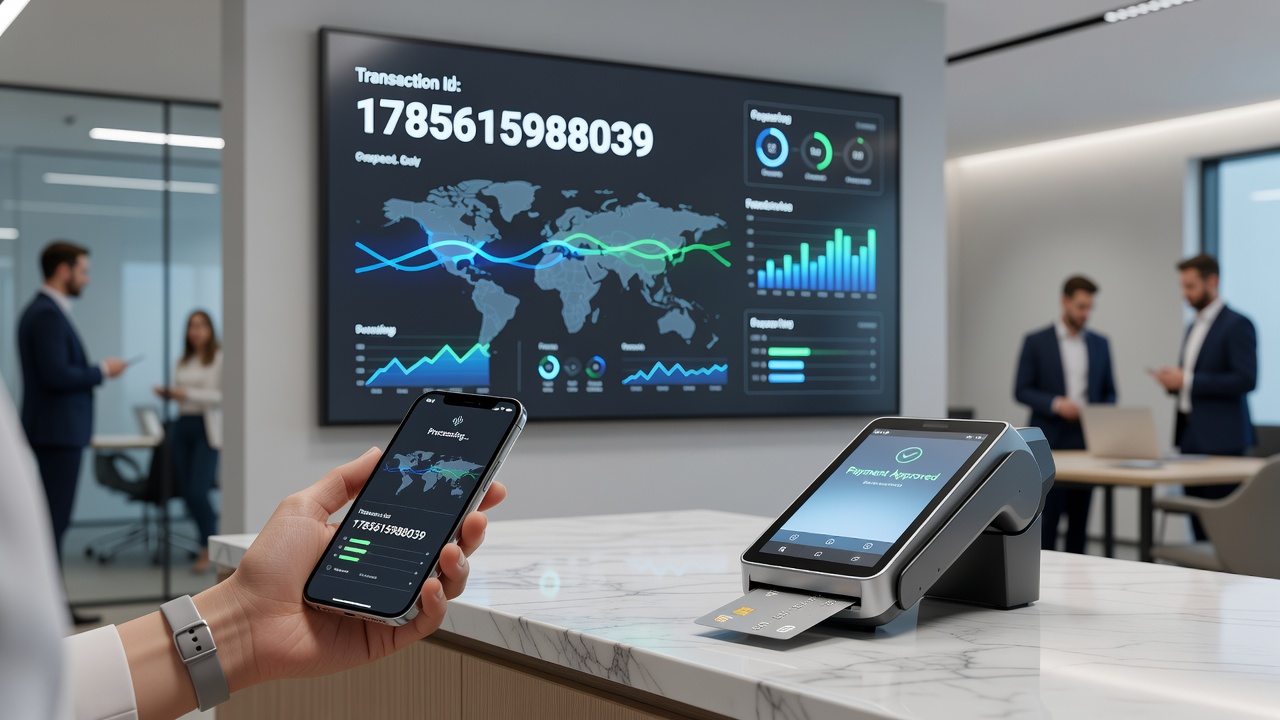
Studies conducted by academic groups examining electronic commerce patterns indicate that merchants integrating these channels often report lower per-transaction costs compared with credit card fees, although implementation demands careful mapping of account validation steps and fraud monitoring tools that flag unusual activity patterns before settlement completes.
Developments Observed in August 2026
Reports compiled during August 2026 highlighted continued migration toward ISO 20022 messaging standards across multiple regions, with processors updating legacy systems to carry richer remittance data that improves reconciliation for businesses handling high volumes of vendor payments and subscription collections.
Industry observers tracking infrastructure upgrades noted that several large acquirers completed phased rollouts of enhanced tokenization services during that period, allowing merchants to replace sensitive card details with unique tokens that limit risk if data breaches occur downstream in the processing chain.
Security Protocols and Anomaly Detection
Payment processors deploy machine learning models trained on historical transaction datasets to identify deviations from established patterns such as sudden geographic shifts or atypical purchase amounts, and these systems trigger additional verification steps including step-up authentication when risk scores exceed predefined thresholds set by issuers and networks.
Evidence presented in reports from the European Central Bank underscores the effectiveness of these layered defenses when combined with device fingerprinting and behavioral analytics, resulting in measurable declines in unauthorized transaction rates across monitored markets over successive reporting periods.
Conclusion
Payment processing remains a foundational element of commercial activity, connecting merchants, financial institutions, and consumers through standardized protocols that evolve with technological and regulatory shifts, and ongoing adoption of real-time capabilities alongside established batch systems continues to shape how funds move across borders and platforms.