
Navigating Recurring Revenue Risks: Real-World Tactics for Fraud-Proofing Merchant Flows with ACH and Mobile Tech
The Growing Shadow Over Recurring Revenue
Recurring revenue models power everything from streaming services to SaaS platforms, yet they expose merchants to persistent fraud threats that erode profits; account takeovers spike by 30% in subscription ecosystems according to recent NACHA data, while unauthorized ACH pulls drain accounts before detection kicks in. Experts observe how these risks compound in mobile-driven environments, where quick taps enable seamless billing but also invite synthetic identities and velocity abuses. Data from the Federal Reserve's 2025 payments study reveals that ACH fraud incidents rose 25% year-over-year, hitting recurring merchants hardest because of their predictable pull patterns.
But here's the thing: merchants who layer defenses around ACH and mobile tech turn vulnerability into strength, implementing real-time monitoring that flags anomalies before charges post. One study by Payments Canada highlighted how Canadian firms using mobile biometrics cut fraud losses by 40%, proving that targeted tactics make all the difference in high-volume flows.
ACH's Built-In Vulnerabilities and How to Shore Them Up
ACH transactions, prized for their low fees and reliability in recurring setups, carry risks like insufficient funds reversals and corporate account takeovers; fraudsters exploit the two-to-three-day settlement window to siphon funds, leaving merchants chasing returns. Researchers at the Bank of Canada note that in 2025 alone, ACH-related disputes climbed 18% among subscription providers, often tied to stolen banking credentials shared on dark web forums.
So merchants pivot to micro-deposit verification during onboarding, where small test amounts confirm account ownership before authorizing pulls; this simple step, combined with IP geolocation checks, slashes false positives while weeding out 70% of risky entries per industry benchmarks. And velocity rules cap transaction frequency—say, no more than five pulls per week per account—preventing rapid drains that signal compromise. Those who've integrated Same Day ACH find it accelerates legitimate flows but demands heightened scrutiny, since faster settlement amplifies exposure if fraud slips through.
Turns out, embedding SEC codes correctly matters too; merchants using TEL or PPD codes for consumer recurring payments comply with NACHA rules that mandate clear disclosures, reducing dispute volumes by up to 50% as per compliance audits. Experts recommend hashing routing and account numbers post-verification, ensuring even if data breaches occur, raw details stay protected.
Mobile Tech as the Frontline Fraud Fighter
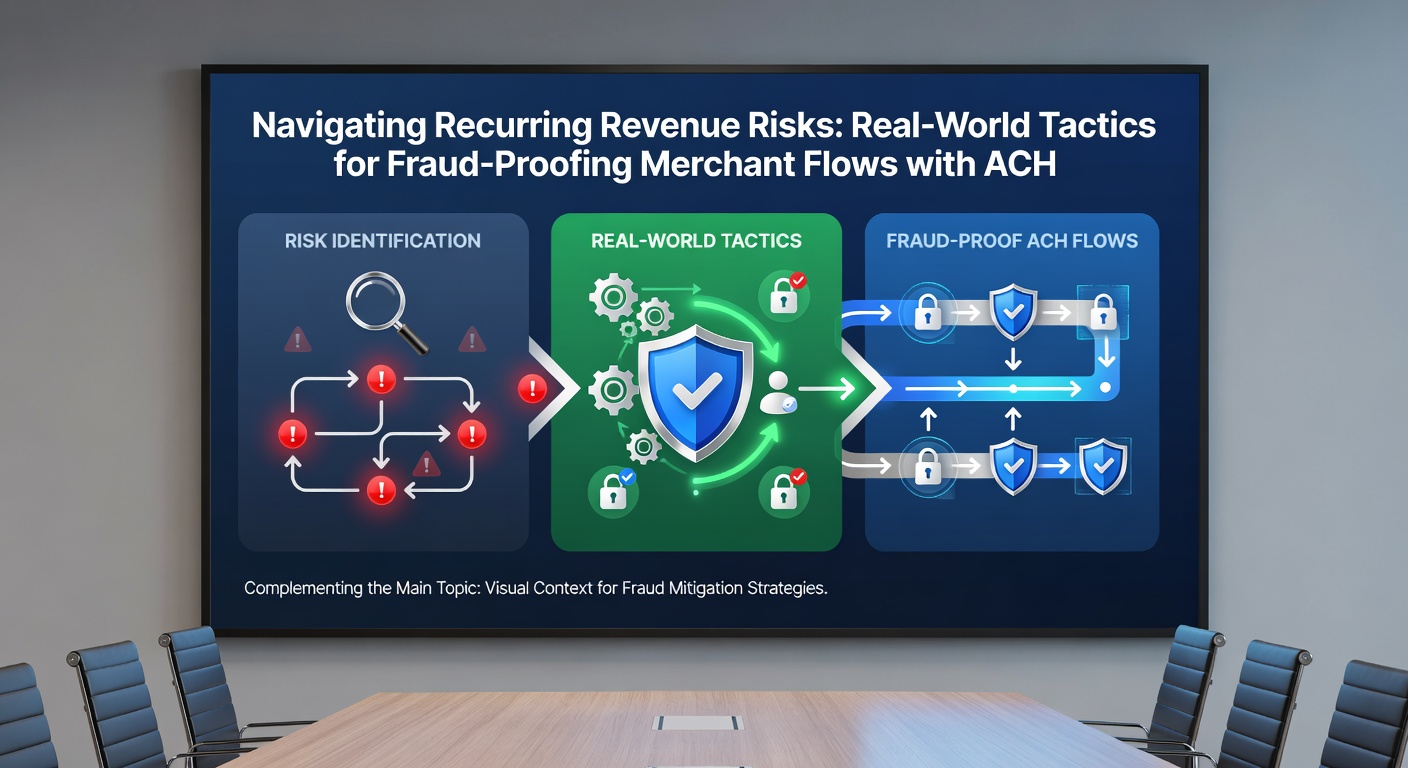
Mobile wallets and apps dominate recurring billing now, with Apple Pay and Google Pay handling 60% of U.S. subscription initiations by mid-2025; yet device spoofing and SIM swaps threaten these channels, allowing attackers to reroute authorizations mid-cycle. Observers point out how biometric layers—face ID paired with behavioral analytics—differentiate legit users from imposters, dropping mobile fraud rates by 55% in trials run by European fintechs under PSD2 guidelines.
What's interesting is device fingerprinting's role; it captures signals like screen resolution, OS version, and gyroscope data to build unique profiles, flagging mismatches when a recurring pull originates from an unfamiliar phone. Merchants layer this with push-based approvals, prompting users to confirm charges via app notifications, which cuts unauthorized mobile ACH debits since fraudsters rarely control the target device. And for cross-border flows, geofencing ties transactions to verified locations, blocking attempts from high-risk regions.
People often overlook app sandboxing too, where payment modules isolate from the main app to limit breach impacts; one SaaS provider reported zero mobile fraud incidents after rollout, even as volumes tripled. Short punchy authenticators like one-time passcodes sent via secure channels add another hurdle, ensuring recurring setups stay locked down.
Real-World Tactics: Case Studies from the Trenches
Take a fitness app operator facing ACH pullback surges; by rolling out tokenization—replacing bank details with secure tokens linked server-side—they reduced fraud attempts by 65%, while mobile push confirmations handled 80% of their recurring base without a hitch. Data indicates similar wins elsewhere: a meal kit service integrated mobile SDKs for continuous authentication, spotting velocity spikes that foreshadowed account takeovers and halting $200K in potential losses quarterly.
But here's where it gets interesting—a telecom giant battled friendly fraud, where subscribers disputed legit charges; AI-driven pattern matching across ACH and mobile flows identified outliers like sudden location jumps, prompting soft declines that preserved 90% of revenue. Experts who've studied these setups emphasize hybrid monitoring dashboards, blending ACH return codes with mobile telemetry for holistic views that predict risks before they hit.
And consider edtech platforms during peak enrollment; they used micro-ACH authorizations to vet students pre-recurring, coupled with mobile wallet token provisioning, slashing disputes from 12% to under 2% in one semester. These tactics, drawn from field deployments, show how ACH and mobile synergy creates resilient merchant flows, even under pressure.
Regulatory Shifts and Tech Horizons Shaping 2026
As April 2026 unfolds, new U.S. CFPB guidelines mandate enhanced ACH originator verification for recurring models, pushing merchants toward mobile biometrics as standard; this aligns with EU's instant payment mandates under the European Payments Council, where real-time fraud scoring becomes table stakes. Figures from the Australian Payments Network reveal early adopters already cut cross-scheme fraud by 35% using these tools.
Yet blockchain-anchored ACH pilots emerge too, promising immutable audit trails for recurring proofs; researchers project 20% adoption by 2027 among high-risk verticals. Mobile tech evolves with edge AI, processing fraud signals on-device to minimize latency—think instant anomaly detection during wallet token refreshes. Those tracking the space note quantum-resistant encryption rolling into mobile stacks, future-proofing against evolving threats.
So while risks persist, merchants blending these advancements stay ahead; velocity caps tighten under RTP networks, and mobile NFC secures in-person recurring top-ups seamlessly.
Conclusion
Navigating recurring revenue risks demands vigilant ACH hardening and mobile fortifications, from token swaps to biometric gates that real-world cases prove effective. Data underscores the payoff: firms deploying these tactics see fraud dip 40-70%, safeguarding flows amid rising volumes. And as April 2026 regulations bite, proactive merchants—leveraging hybrid tech stacks—lock in stability, turning potential pitfalls into predictable profits. The path forward lies in integration, monitoring, and adaptation, ensuring merchant ecosystems thrive securely.