Mapping the Junctions of Mobile Debit Systems and Bank Clearing Protocols for Enhanced Merchant Compliance
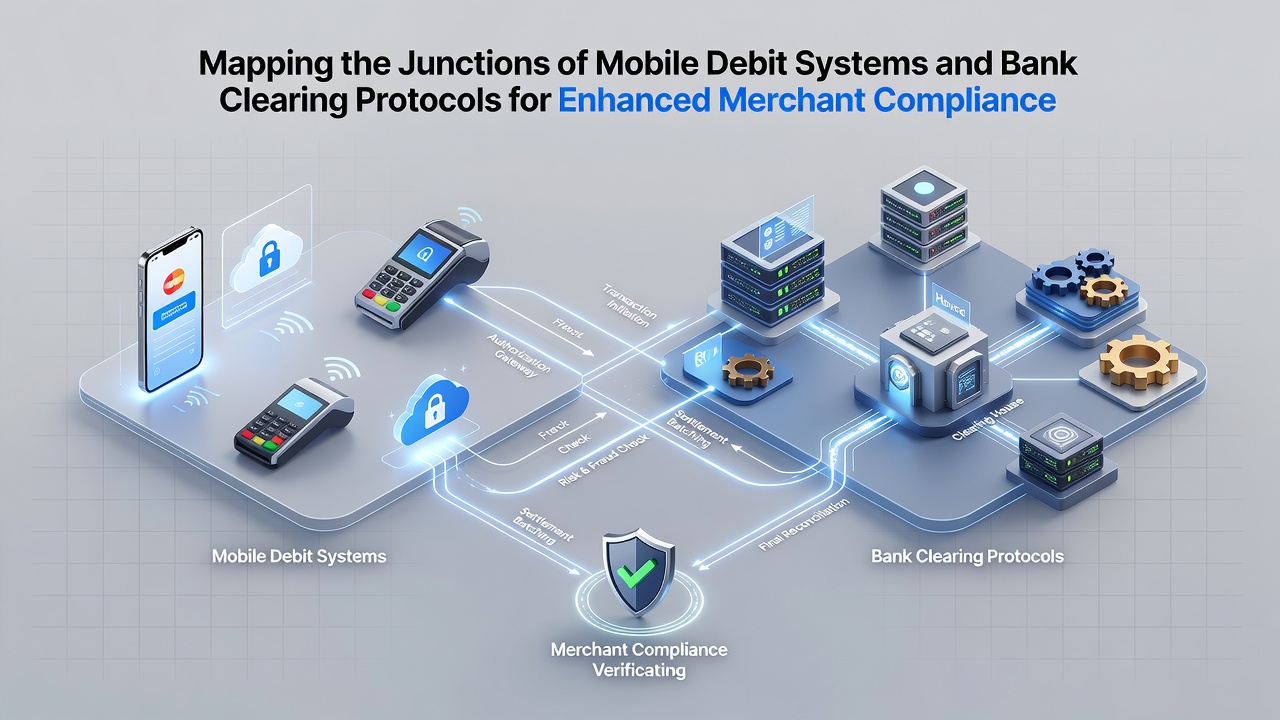
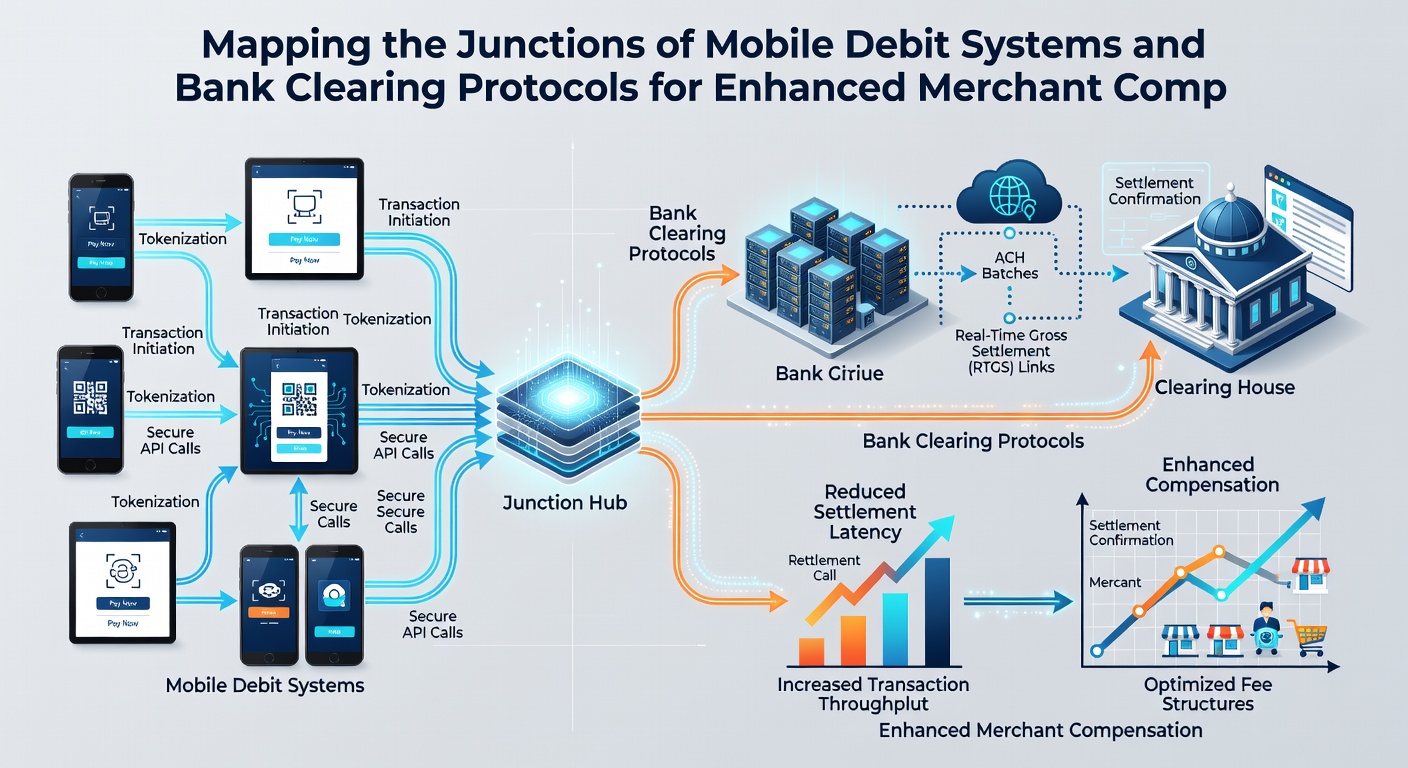
Observers note that mobile debit systems continue to intersect with established bank clearing protocols at multiple technical layers, and these junctions require careful mapping to support merchant compliance across regions. Data from industry reports indicates that transaction volumes processed through mobile-initiated ACH debits reached significant levels by early 2025, with further protocol adjustments scheduled for implementation in June 2026 under updated NACHA operating rules. The primary junctions occur where mobile applications transmit debit instructions to originating depository financial institutions, which then route requests through the ACH network operated by NACHA in the United States. At these points, authentication protocols such as tokenization and device binding must align with clearing house validation requirements to prevent unauthorized transfers while maintaining transaction speed. Researchers have documented that mismatches in data formatting between mobile SDK outputs and ACH file specifications often trigger compliance flags during settlement cycles.Core Technical Integration Points
Payment processors map several specific junctions when connecting mobile debit flows to bank clearing infrastructure. The first involves the origination of ACH debit entries from smartphone applications, where the mobile system generates NACHA-formatted files containing routing numbers, account details, and authorization tokens. The second junction appears during the verification stage, in which the receiving depository financial institution cross-checks transaction data against fraud detection databases maintained by the clearing network.
Additional junctions surface in exception handling processes. When a mobile debit fails initial validation, the system must interface with reversal protocols defined in clearing house guidelines to return funds without violating consumer protection statutes. Observers note that these exception pathways have grown more complex as mobile platforms incorporate biometric authentication methods that produce variable data outputs depending on device hardware.
Compliance Standards at Each Junction
Merchants operating across mobile and traditional banking channels must satisfy overlapping requirements at every integration point. PCI DSS standards govern the handling of payment card data when mobile systems support hybrid debit options, while NACHA rules dictate authorization retention periods and record-keeping for ACH transactions. In the European context, the European Central Bank has published guidelines on instant payment systems that influence how mobile debit instructions interface with cross-border clearing mechanisms.
Those who have examined compliance records find that successful mappings reduce the incidence of rejected batches during clearing windows. Automated reconciliation tools now monitor data consistency at the mobile-to-ACH handoff, flagging discrepancies in account identifiers or authorization timestamps before files reach the clearing house. Such monitoring aligns with regulatory expectations that emphasize proactive risk management rather than post-settlement corrections.
Regional Variations in Protocol Alignment
North American implementations rely heavily on NACHA's web debit authorization framework, which permits merchants to obtain consent through mobile interfaces provided certain disclosure standards are met. Canadian systems coordinated by Payments Canada introduce additional requirements around same-day settlement capabilities that affect how mobile debits are timed within clearing cycles. Australian frameworks administered through the Reserve Bank of Australia emphasize real-time reporting of large-value mobile-initiated transfers to support anti-money laundering oversight.
These regional differences create distinct junction requirements. Merchants processing transactions across borders must maintain separate mapping configurations for each clearing network while ensuring that mobile applications deliver consistent authorization evidence. Industry analyses show that unified compliance platforms capable of translating between these protocol sets have reduced audit preparation time for mid-sized vendors.
Developments Anticipated for June 2026
Updates scheduled for June 2026 will modify several junction parameters within the ACH network, including enhanced requirements for device fingerprinting data to accompany mobile debit authorizations. Clearing protocols will incorporate new fields for tracking consent timestamps generated by smartphone applications, which aims to strengthen audit trails for recurring payment arrangements. Those monitoring regulatory releases note that these changes will require corresponding adjustments in mobile SDKs to maintain seamless data flow without introducing latency during peak transaction periods.
Testing environments established by major processors have already demonstrated that updated mapping layers can accommodate the new data elements while preserving existing security certifications. Merchants who complete integration ahead of the June 2026 deadline can avoid potential settlement delays during the transition window.
Conclusion
The mapping of junctions between mobile debit systems and bank clearing protocols continues to evolve in response to both technological capabilities and regulatory expectations. Accurate documentation of these integration points enables merchants to sustain compliance across multiple jurisdictions while supporting efficient transaction processing. Ongoing alignment with scheduled protocol updates remains essential for maintaining operational continuity through 2026 and beyond.