Linking Portable Device Billing Systems to Bank Clearing Protocols Through API Frameworks for Fraud Mitigation in Merchant Operations
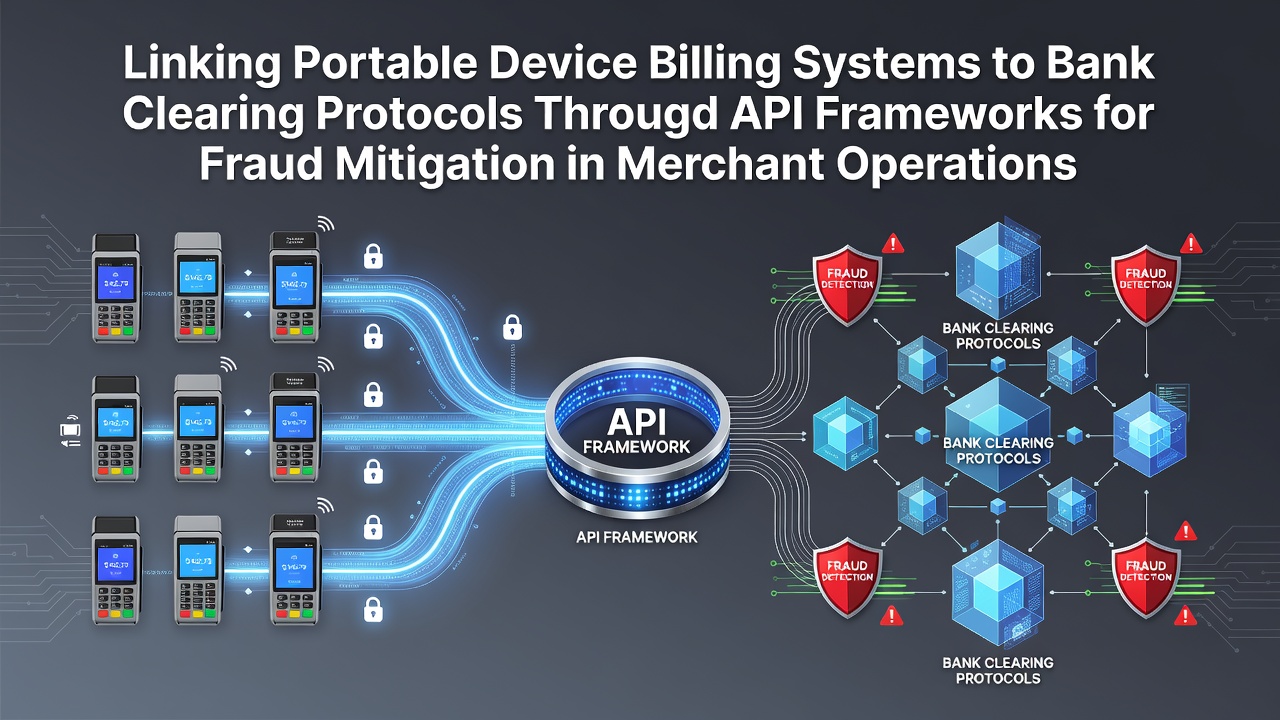
Merchants who process transactions through portable devices face increasing pressure to connect those systems directly with bank clearing protocols, and API frameworks now serve as the primary mechanism for achieving that connection while reducing fraud exposure. Portable billing tools generate transaction data in real time, yet without secure links to automated clearing networks those records remain isolated from verification layers that banks rely on to confirm account status and ownership.
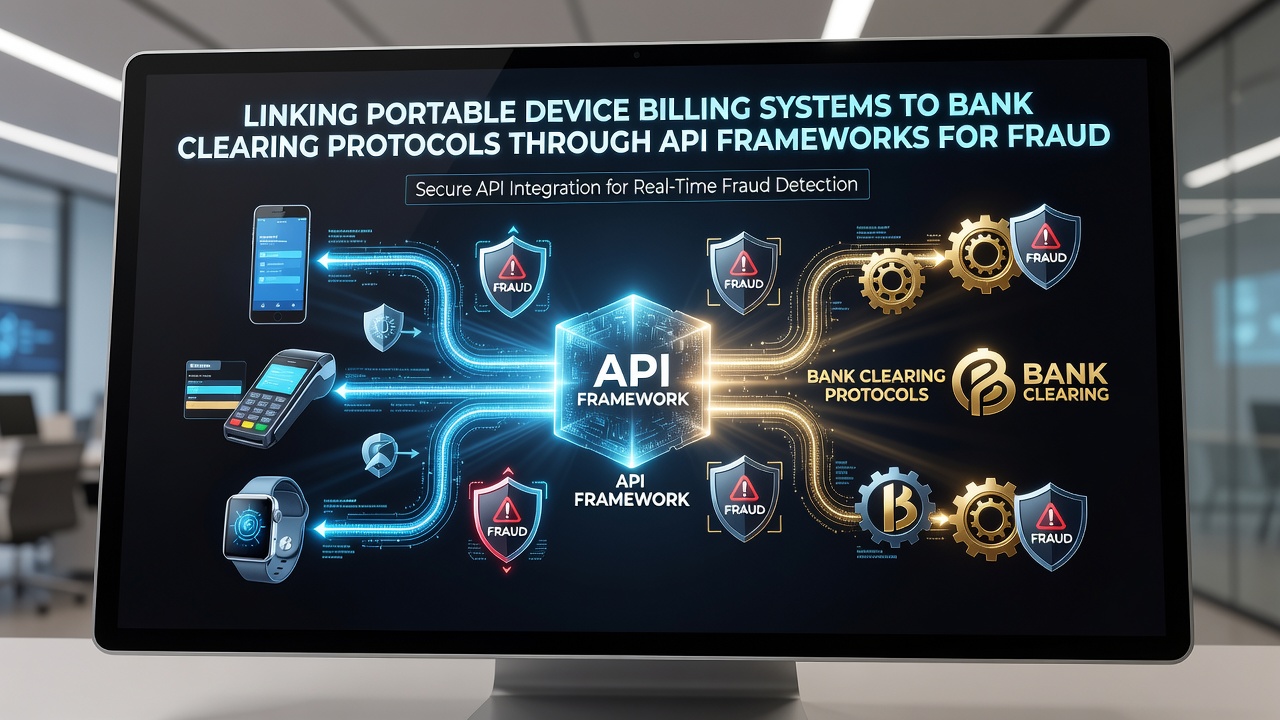
API frameworks address this gap by translating device-level authorization requests into standardized messages that clearing houses can process alongside traditional ACH entries. Data flows from the mobile application through an encrypted endpoint, where the framework validates merchant credentials, formats the request according to network rules, and routes it to the receiving depository institution for final settlement.
Core Components of the Integration
Developers implement several distinct layers when constructing these connections. The first layer handles device authentication and token generation so that each billing request carries a unique identifier traceable back to the originating hardware. The second layer manages protocol translation, converting JSON or XML payloads from the portable system into NACHA-formatted files or ISO 20022 messages that banks accept without additional parsing.
A third layer applies real-time risk scoring before the request reaches the clearing network. This scoring engine cross-references device location, transaction amount, historical merchant patterns, and account velocity against predefined thresholds established by the acquiring bank. When anomalies appear the framework can either decline the transaction outright or trigger a secondary confirmation step that requires the merchant to supply additional verification data.
Fraud Mitigation Mechanisms in Practice
One merchant services provider in the Midwest integrated its handheld invoicing application with an API that queries the receiving bank’s positive-pay database before initiating an ACH debit. The system reduced unauthorized returns by 47 percent within the first quarter of operation, according to internal settlement reports shared with the acquiring institution. Another implementation in Canada routes mobile-generated credits through a similar gateway that performs account ownership verification using the account holder’s name and address on file.
These controls operate continuously rather than at batch processing time. Because the API call occurs synchronously with the device scan or tap, merchants receive an immediate response that either confirms the transaction will clear or flags it for manual review. This timing prevents funds from entering the settlement queue when fraud indicators are present.
Regulatory and Network Standards Shaping Implementation
Network operators have published updated specifications that govern how APIs must interact with clearing protocols. teh Federal Reserve’s FedACH system now supports same-day settlement for certain file types when the originating entry includes an API-generated trace number that matches the device-level authorization record. In the European Union, payment service providers must align similar linkages with the requirements of the revised Payment Services Directive, which mandates strong customer authentication for remote transactions.
July 2026 marks the scheduled enforcement date for new data-element requirements under the Nacha operating rules that will require every ACH entry originated from a portable device to carry a device identifier field. Merchants who have already deployed API frameworks that populate this field will avoid re-certification delays when the rules take effect.
Operational Considerations for Merchants
Merchants evaluating these integrations examine latency, error handling, and reconciliation capabilities in addition to fraud reduction metrics. API response times under 800 milliseconds allow most point-of-sale workflows to complete without customer friction, while robust retry logic ensures that transient network issues do not result in duplicate entries. Reconciliation files returned by the clearing bank include both the original device reference and the ACH trace number, enabling automated matching within the merchant’s accounting system.
Training requirements remain modest because the API layer abstracts the complexity of file formatting and timing rules. Staff continue to use the same portable billing interface, while the framework handles the translation and risk screening in the background.
Conclusion
API frameworks that link portable device billing systems to bank clearing protocols deliver measurable improvements in fraud detection by inserting verification steps at the moment of transaction initiation rather than after settlement. As network rules evolve through 2026, merchants who adopt these connections position their operations to meet both current compliance expectations and forthcoming data-element mandates without disrupting existing workflows.