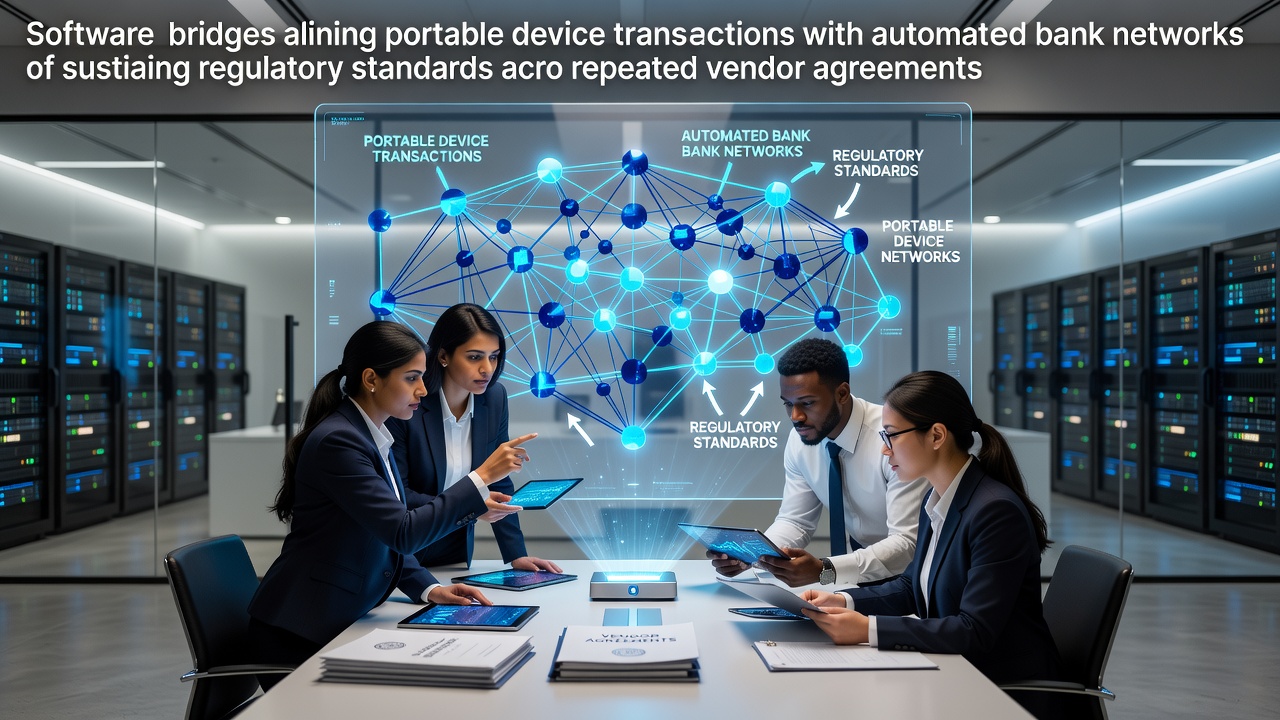
Investigating Software Bridges That Align Portable Device Transactions with Automated Bank Networks to Sustain Regulatory Standards Across Repeated Vendor Agreements
Software bridges now connect portable device transactions directly to automated bank networks while maintaining compliance across multiple vendor agreements and recurring payment cycles. These integration layers handle data routing between mobile applications and clearing systems such as ACH in the United States and equivalent automated transfer protocols in other regions. Data from the Federal Reserve indicates that mobile-initiated ACH volumes grew steadily through 2025 with projections showing continued expansion into August 2026 as more merchants adopt direct bank connections for subscription services.
Core Components of These Integration Layers
Developers construct these bridges using standardized APIs that translate transaction requests from smartphone applications into formats accepted by bank clearing houses. The process involves tokenization of account details at the device level followed by encrypted transmission to network endpoints that verify funds availability and regulatory flags. Studies from the Bank for International Settlements have tracked how such systems reduce settlement times while preserving audit trails required under anti-money laundering directives.
Security protocols within the bridges enforce multi-factor authentication and real-time screening against watch lists before any funds move. Observers note that repeated vendor agreements benefit because the same bridge infrastructure can apply consistent compliance checks across different merchant accounts without rebuilding connections for each new contract. This approach supports recurring billing models where customers authorize ongoing debits from portable devices.
Regulatory Alignment Mechanisms
Regulatory standards demand that every transaction carries verifiable proof of authorization and that data handling meets privacy and security benchmarks set by bodies such as the European Central Bank and the Canadian Securities Administrators. Software bridges incorporate rule engines that apply jurisdiction-specific requirements automatically during each payment cycle. For instance teh engines check for proper consent records and flag transactions that exceed thresholds established under consumer protection guidelines.
Evidence from industry reports shows that organizations using these bridges experience fewer compliance incidents during vendor transitions because the software maintains consistent logging and reporting outputs. In August 2026 several jurisdictions plan updates to electronic funds transfer rules that will require enhanced disclosure of mobile origination details and the bridges already contain configurable modules to accommodate those changes without service interruption.

Implementation Patterns Across Merchant Ecosystems
Merchants integrate these bridges through developer toolkits that abstract the complexity of direct network access. One documented pattern involves embedding lightweight SDKs in mobile applications so that each checkout request triggers a bridge call that routes the debit through the automated clearing network while simultaneously updating compliance dashboards. Research published by academic teams at the University of Toronto has examined how these patterns perform under high-volume subscription scenarios and found that error rates drop when the bridge includes automated retry logic tied to network status codes.
Another pattern appears in vendor agreement management where the software maintains separate compliance profiles for each repeated contract yet shares a common connection to the bank network. This separation allows auditors to isolate activity by agreement without affecting overall transaction flow. Data indicates that such modular designs help organizations scale across dozens of vendor relationships while meeting PCI DSS and similar data security requirements.
Operational Considerations for Sustained Use
Maintenance of these bridges requires ongoing monitoring of network endpoints and periodic certification against updated security standards. Teams responsible for the systems schedule regular penetration testing and review transaction logs for anomalies that could signal emerging compliance risks. The reality is that portable device platforms release frequent operating system updates which can alter communication pathways and the bridges must adapt quickly to avoid transaction failures.
Organizations that have deployed these solutions report that centralized management consoles provide visibility into both transaction success rates and regulatory reporting outputs. This visibility supports proactive adjustments when new vendor agreements introduce different fee structures or consent requirements. Figures from payment network operators reveal that bridges configured for multi-vendor use maintain higher uptime during peak billing periods compared with point-to-point connections.
Conclusion
Software bridges that link portable device transactions to automated bank networks now form a critical infrastructure layer for organizations managing repeated vendor agreements under strict regulatory oversight. These systems deliver consistent compliance handling through API-driven routing tokenization and automated rule application while supporting the volume growth projected through August 2026. Continued refinement of these integration patterns will determine how efficiently merchants can sustain secure recurring payments across expanding vendor networks.