Inside Integration Layers: Connecting ACH Capabilities with Mobile Invoicing for Enhanced Security Protocols
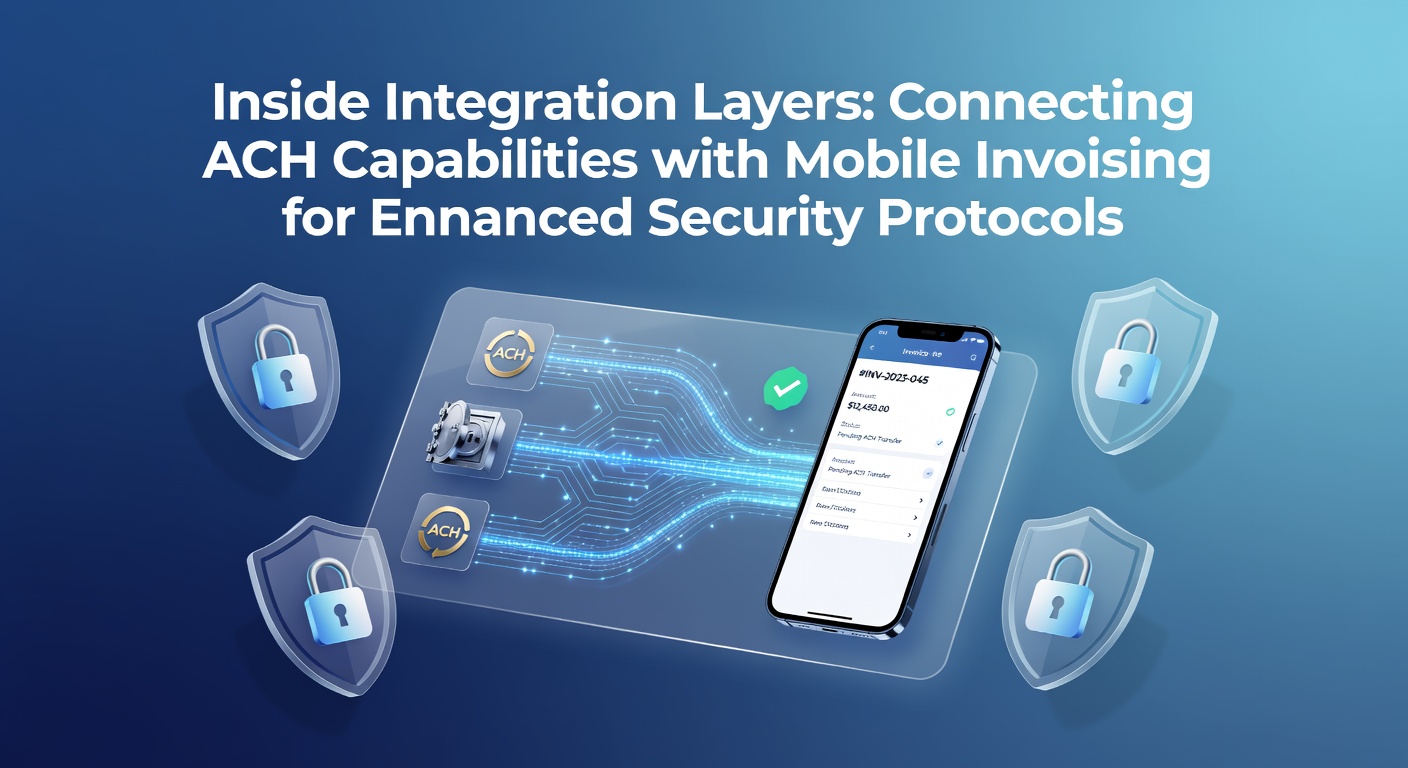
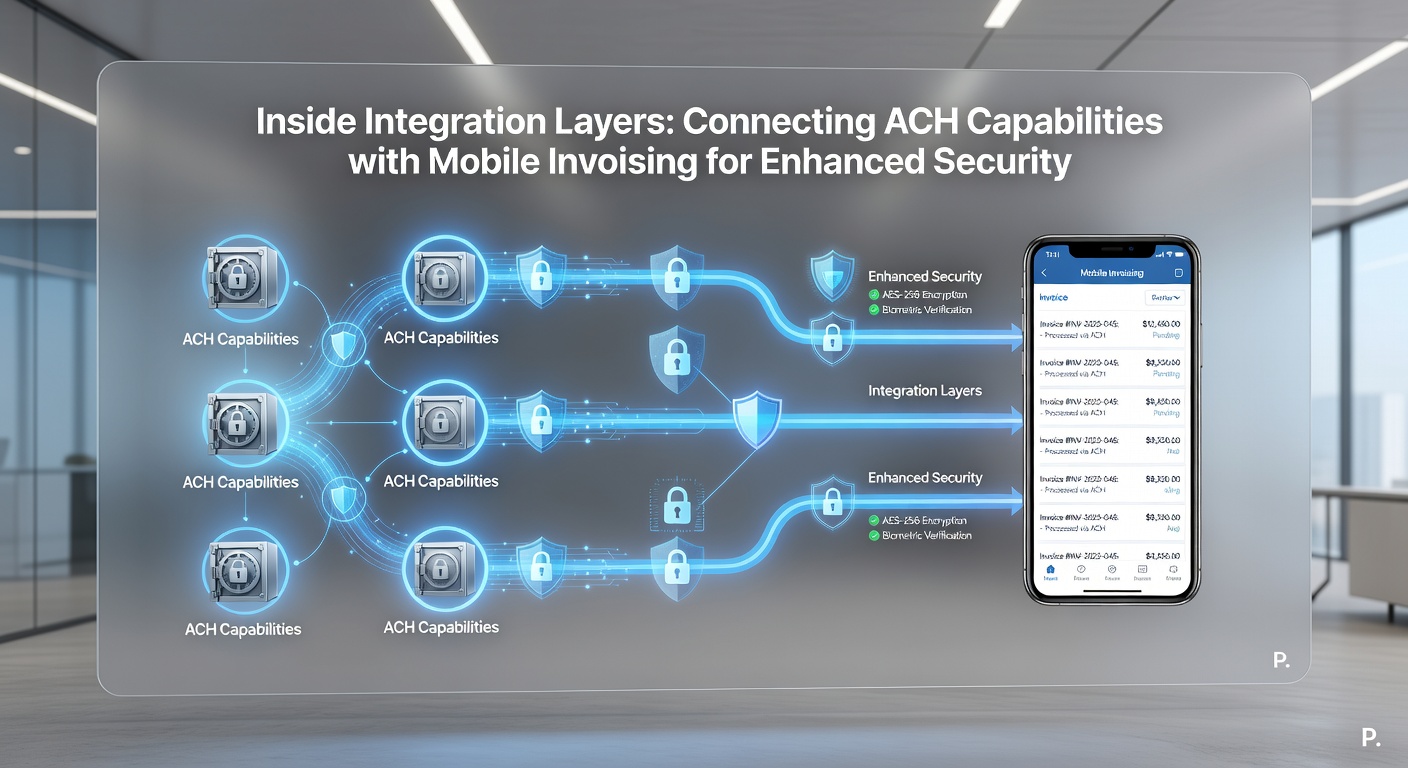
Observers note that businesses continue to link Automated Clearing House networks directly to mobile invoicing platforms through specialized integration layers that strengthen authentication and data protection measures. These layers operate as middleware components that translate transaction requests between bank settlement systems and smartphone-based billing applications while maintaining compliance with established financial standards. Data from payment networks shows that such connections reduce exposure points by routing funds through verified bank channels instead of card-based routes in many commercial workflows. Integration begins with API endpoints that capture invoice details from mobile devices and format them for ACH batch processing. Developers implement tokenization at this stage so that account numbers never travel in plain text across wireless connections. Studies from financial technology research groups indicate that this approach cuts down on interception risks during transmission. The process continues with real-time validation checks against account status databases maintained by originating depository financial institutions.Core Components of the Integration Framework
Multiple elements work together in these setups. Secure sockets layer protocols encrypt the initial data handoff from the mobile app to the integration layer. Then the layer applies NACHA formatting rules to create standardized ACH files ready for submission. Multi-factor authentication gates user access on the mobile side while the backend verifies originator status through digital certificates. Researchers have documented how these combined controls create overlapping barriers that address both external threats and internal processing errors.
One documented implementation involved a mid-sized supplier network that connected its field sales invoicing app to an ACH processor via a custom middleware service. The system pulled customer bank details through encrypted mobile forms and triggered same-day verification calls to the receiving bank before releasing the file for settlement. Results showed a measurable drop in failed transactions compared with prior card-only methods according to internal logs shared with industry analysts.
Security Protocols Strengthened by Layered Connections
Enhanced security emerges when integration layers insert additional checkpoints between the mobile invoice creation step and the actual ACH debit or credit. These checkpoints include device fingerprinting that flags attempts from unrecognized hardware and behavioral analytics that detect unusual invoicing patterns. Data indicates that organizations adopting these measures experience fewer instances of unauthorized batch submissions. The Federal Reserve Bank of New York has published reports on similar electronic funds transfer safeguards that align with these practices.
As of May 2026, updates to payment security guidelines have prompted many providers to add quantum-resistant encryption options within their integration layers. These additions address long-term risks to current cryptographic standards while preserving compatibility with existing ACH file structures. Observers note that mobile invoicing applications now routinely include these options as selectable features during setup.
Practical Implementation Patterns Across Sectors
Healthcare providers represent one area where these connections appear frequently because recurring patient billing benefits from direct bank pulls that avoid card expiration issues. Integration layers here also enforce HIPAA-aligned data handling by stripping personal identifiers before ACH files reach the network. Similar patterns show up in property management where tenant portals generate mobile invoices that feed into rent collection batches. In each case the layer manages retry logic for failed ACH returns and routes notifications back to the mobile interface without exposing raw account data.
Canadian payment frameworks offer a parallel example through their own automated funds transfer systems that mirror ACH functions. Reports from Payments Canada highlight how mobile invoicing tools integrate with these systems using comparable security wrappers that emphasize consent management and audit trails. This cross-border perspective illustrates that the underlying principles travel beyond single regulatory environments.
Compliance Considerations and Data Flow Controls
Regulatory requirements shape how deeply integration layers can access transaction details. Rules around data residency require that certain verification steps occur within approved geographic zones even when the mobile app operates globally. Integration layers therefore incorporate geo-fencing logic that routes ACH-related calls to compliant servers. Organizations track these flows through centralized dashboards that log every handoff between the invoice stage and settlement confirmation.
Academic papers from university finance departments have examined error rates in ACH-mobile pairings and found that well-designed layers reduce duplicate submissions by validating invoice uniqueness at the point of origin. The same research notes that exception handling improves when the layer automatically generates reversal files for returned transactions and pushes status updates to the originating mobile device.
Conclusion
Integration layers that connect ACH capabilities with mobile invoicing continue to evolve through added security controls and refined data pathways. These systems deliver structured transaction handling while meeting standards set by banking networks and regulatory bodies. Continued development in this area focuses on maintaining compatibility across devices and jurisdictions without introducing new vulnerabilities during the translation process between mobile interfaces and settlement networks.