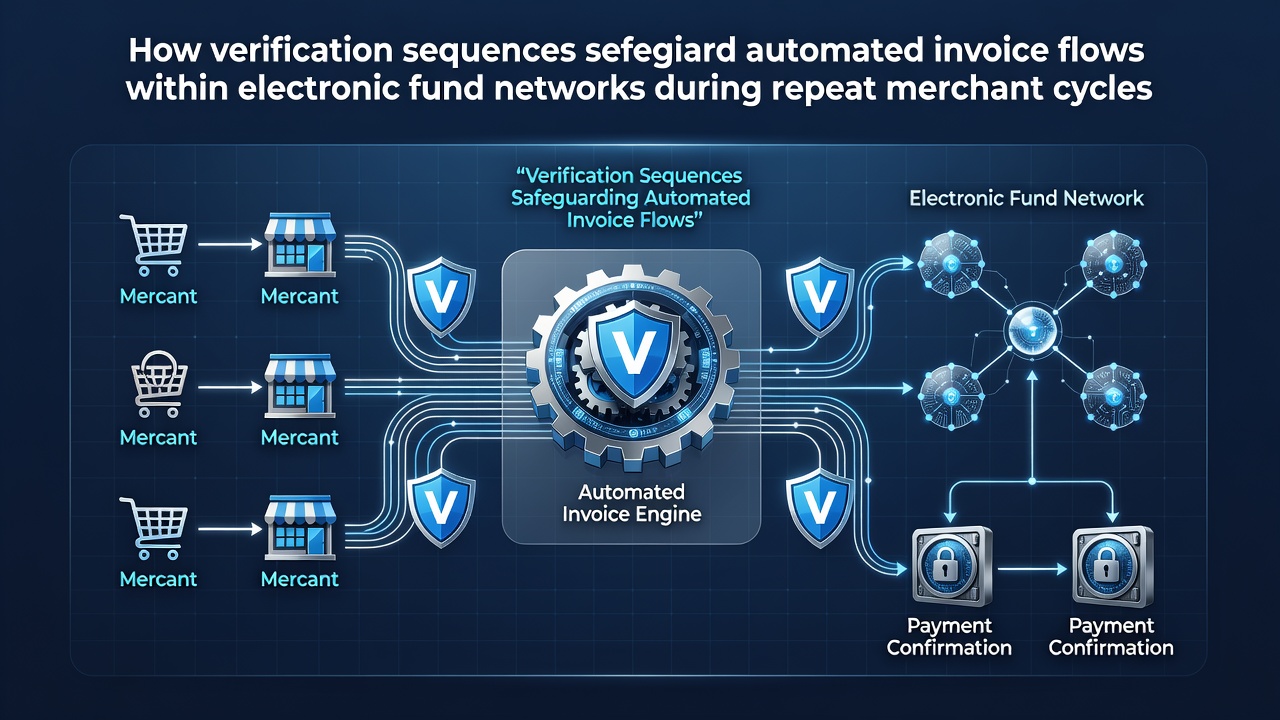
How Verification Sequences Protect Automated Invoice Flows in Electronic Fund Networks for Recurring Merchant Cycles
Verification sequences operate as structured checkpoints within electronic fund networks to validate each step of automated invoice processing during recurring merchant transactions. These sequences combine cryptographic tokens, timestamp validations, and account status queries to confirm that funds move only after multiple independent checks succeed. Data from payment processors indicates that networks employing layered verification reduce unauthorized ACH transfers by measurable margins each quarter.
Core Components of Verification Sequences
Electronic fund networks rely on sequential authentication protocols that begin with merchant account enrollment and extend through each billing cycle. Initial enrollment requires linkage of bank routing data with tokenized identifiers issued by clearing houses, while subsequent cycles trigger automated cross-references against prior transaction histories. Researchers at institutions tracking payment infrastructure note that this approach limits exposure when merchant details change between cycles, since any mismatch halts the sequence before funds leave the originating account.
Timestamp synchronization forms another layer where each verification event records precise network time to detect replay attempts. Systems compare the current request against stored intervals, flagging anomalies that fall outside expected windows. This mechanism proves especially relevant for repeat merchant cycles spanning months or years, where account details might otherwise drift without detection.
Integration with Automated Clearing Processes
Automated clearing houses process batches of invoices according to predefined schedules, yet verification sequences insert real-time gates before batch submission. When a merchant submits recurring invoice data, the network initiates a multi-point query that checks account validity, authorization limits, and fraud indicators simultaneously. According to reports from the Federal Reserve, such gates align with broader efforts to strengthen settlement finality across high-volume ACH environments.
Token rotation occurs within these sequences to replace static credentials with dynamic values after every successful cycle. This rotation prevents accumulation of reusable identifiers that could compromise future transactions. Observers tracking network security patterns report that rotation intervals typically align with billing frequency, creating natural breakpoints that reinforce protection without disrupting merchant cash flow.
Handling Repeat Merchant Cycles Across Platforms
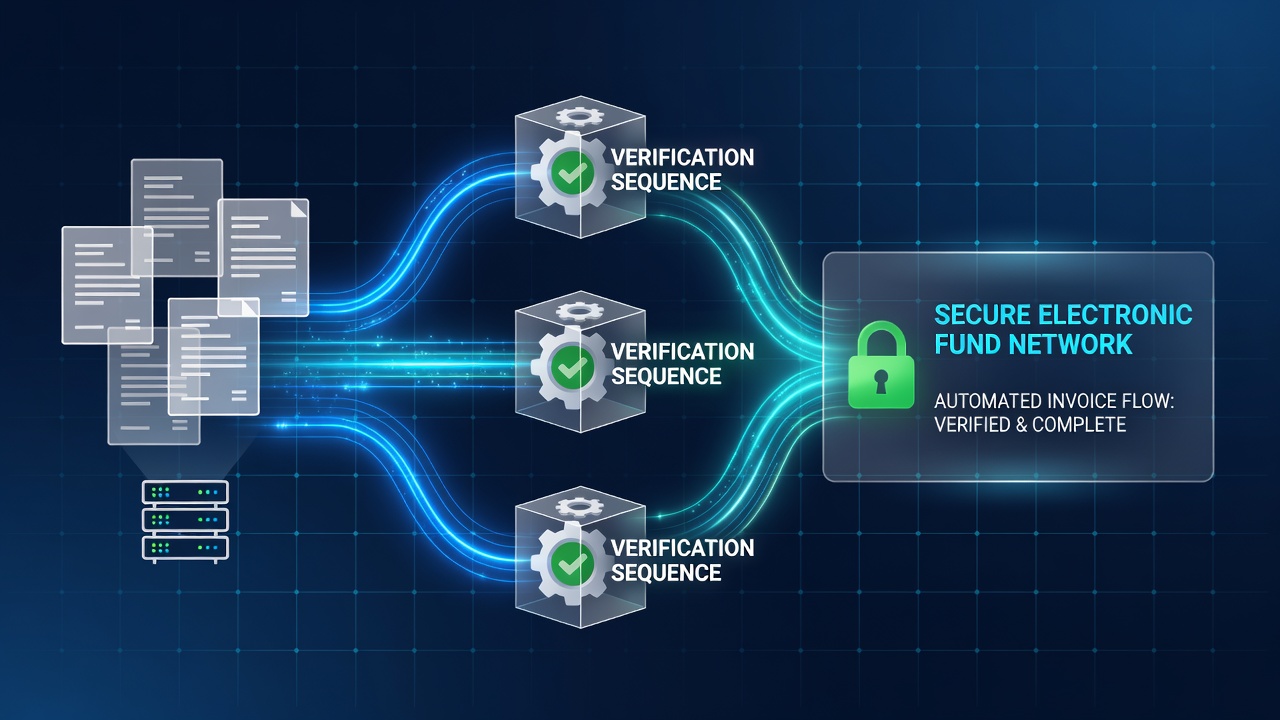
Merchants operating subscription models or recurring service agreements depend on verification sequences that accommodate variable billing dates and amounts. The sequences adapt by embedding business rules into each validation step, allowing networks to approve standard amounts while routing exceptions to secondary review queues. In July 2026, updates to settlement protocols expanded these rule sets to include cross-border account verification, enabling smoother handling of international merchant cycles without altering core sequence logic.
Dispute resolution pathways integrate directly with verification records, so any reversal request references the exact sequence steps completed during original processing. Clearing houses maintain immutable logs that auditors can access to trace decision points, which supports compliance reporting across jurisdictions. European Central Bank documentation on payment security highlights how such traceability reduces reconciliation times for merchants managing high volumes of repeat transactions.
Compliance and Risk Mitigation Mechanisms
Regulatory frameworks require electronic fund networks to demonstrate that verification sequences meet minimum authentication standards before processing recurring merchant activity. These requirements translate into mandatory sequence elements such as device fingerprinting and behavioral pattern analysis layered atop traditional account checks. Networks that document sequence completion rates provide evidence of adherence during periodic audits.
Risk scoring engines feed into verification sequences by assigning confidence values to each incoming invoice request. Scores derive from historical merchant behavior, network velocity metrics, and external data feeds, then influence whether the sequence proceeds automatically or requires additional confirmation. This scoring integration allows networks to scale protection proportionally to observed risk levels across different merchant segments.
Conclusion
Verification sequences continue to evolve as electronic fund networks incorporate new data sources and processing capabilities for automated invoice management. Their structured approach to validating recurring merchant activity maintains settlement integrity while supporting operational efficiency. Continued refinement of these sequences aligns with ongoing developments in payment infrastructure standards expected through subsequent years.