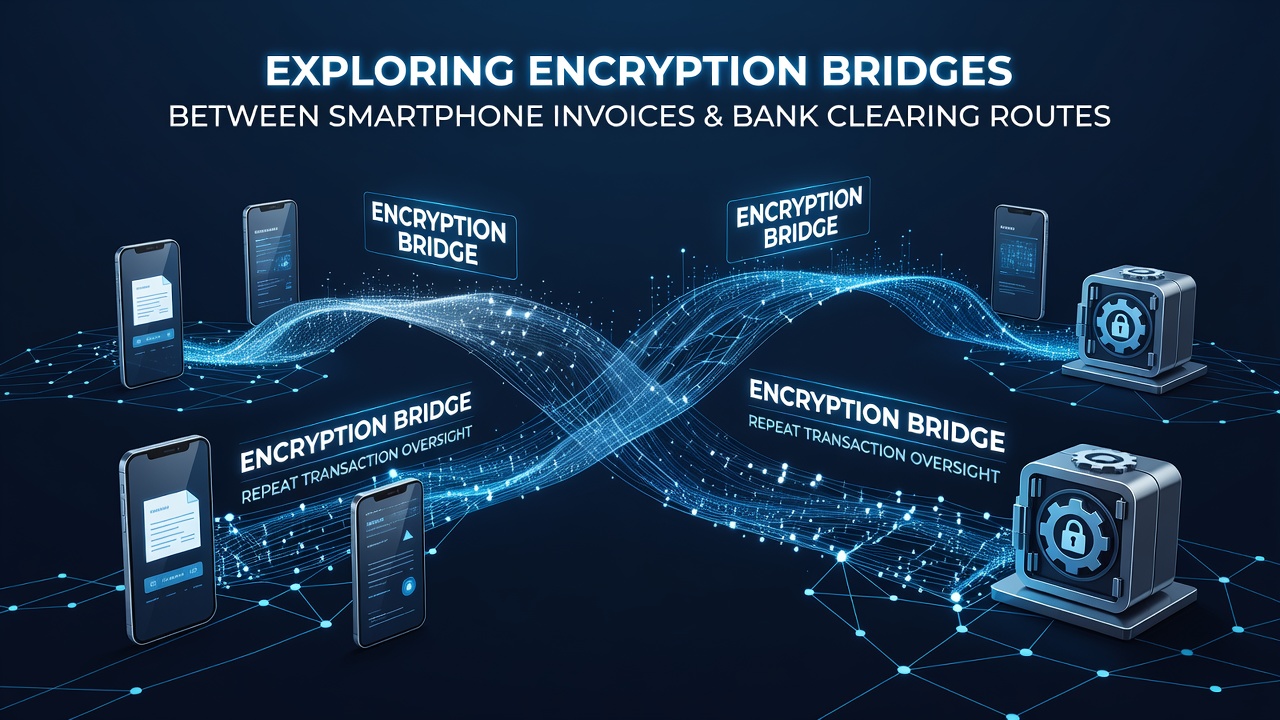
Exploring Encryption Bridges Between Smartphone Invoices and Bank Clearing Routes for Repeat Transaction Oversight
Smartphone invoicing systems now connect directly to automated clearing house networks through dedicated encryption layers that protect transaction data during repeat billing cycles, and these bridges handle authentication, authorization, and settlement steps while meeting regulatory standards across multiple jurisdictions. Observers note that mobile applications generate invoices containing customer details, amounts, and recurring schedules before routing encrypted payloads to bank processors, which then validate and clear funds without exposing raw account information at any stage.
Core Components of Encryption Bridges
Encryption protocols such as AES-256 combined with TLS 1.3 form the foundation of these bridges, and they operate by encrypting invoice payloads at the device level before transmission occurs over public networks. Researchers at institutions like the Massachusetts Institute of Technology have documented how tokenization replaces sensitive bank identifiers with unique surrogates that map only within secure environments, which reduces exposure during the handoff between mobile apps and clearing routes. Data from the Federal Reserve indicates that ACH transactions processed through such encrypted pathways reached over 30 billion in volume during 2025, with projections for continued growth into August 2026 when new interoperability guidelines take effect.
Developers implement these bridges using application programming interfaces that enforce end-to-end encryption while supporting recurring authorization models, and the process begins when a smartphone app captures invoice details then applies asymmetric key pairs to secure the initial request. Clearing houses receive the tokenized data, decrypt it within isolated modules, and execute the transfer, after which confirmation returns through the same encrypted channel to update merchant records.
Integration with Repeat Transaction Oversight
Repeat transaction oversight relies on these encryption bridges to maintain audit trails that track authorization cycles without storing plaintext credentials on mobile devices, and systems log each encrypted exchange with timestamps and hash values for compliance verification. Industry reports from the European Central Bank highlight how such mechanisms help merchants manage subscription flows by flagging anomalies in frequency or amount patterns before settlement completes. One study from a Canadian research consortium revealed that encrypted mobile-to-ACH pathways lowered unauthorized repeat charges by integrating real-time monitoring scripts that validate each cycle against stored tokens.
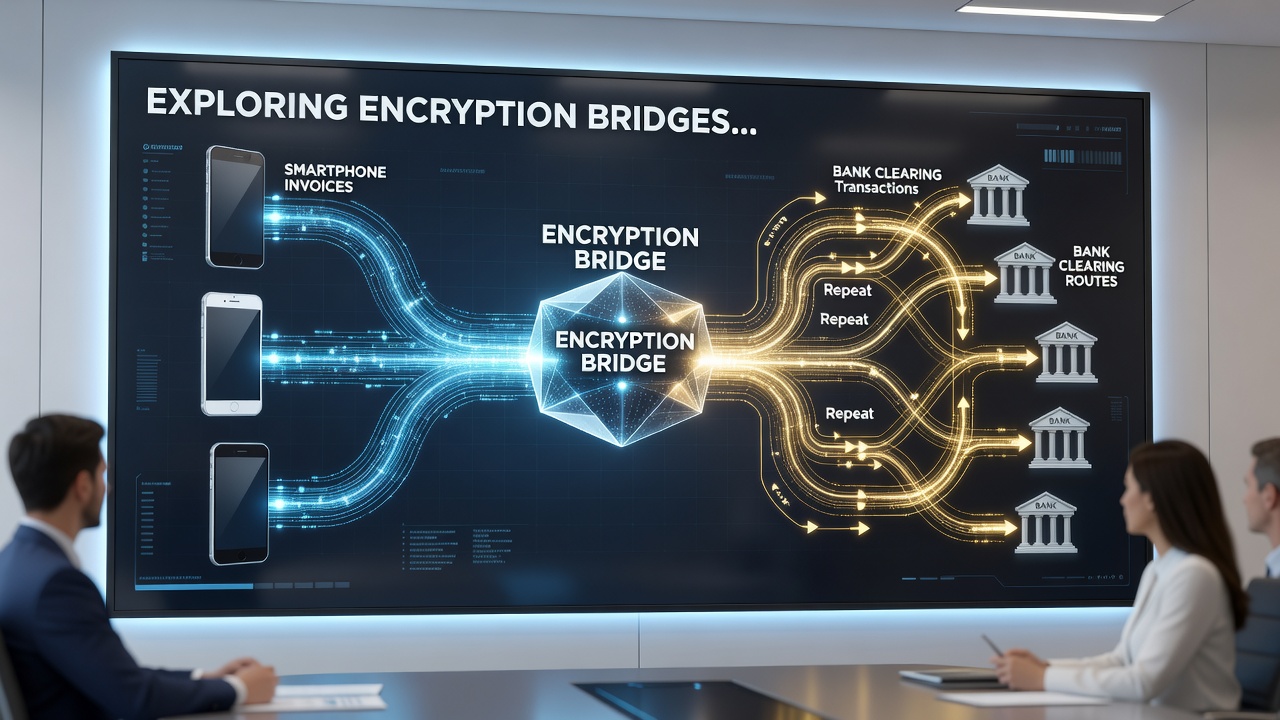
Merchants often deploy dashboard tools that visualize bridge activity, and these interfaces pull aggregated metrics from encrypted logs to show success rates across different clearing routes. The ball stays in the court of payment processors to ensure keys rotate periodically, which prevents long-term compromise even if a single session encounters interception attempts.
Technical Pathways and Compliance Requirements
Pathways between smartphone systems and bank networks typically involve middleware that translates invoice formats into ACH-compatible structures while preserving encryption integrity throughout, and standards bodies such as the International Organization for Standardization outline specifications for these translations. Observers point out that PCI DSS requirements mandate encryption at rest and in transit for any data touching card or account details, yet ACH routes add another layer because they operate under separate NACHA operating rules that emphasize batch processing security. In practice, a vendor dashboard might orchestrate token exchanges by generating session-specific keys that expire after each clearing window, which supports oversight without creating persistent vulnerabilities.
August 2026 marks the scheduled rollout of enhanced cross-border ACH encryption mandates in several regions, and these changes build on existing frameworks to require quantum-resistant algorithms in bridge implementations. Data indicates that organizations adopting early versions of these protocols already demonstrate improved resilience against replay attacks in repeat billing scenarios.
Case Examples in Mobile Commerce
There's this case where experts at a European fintech firm integrated encryption bridges into subscription platforms, and the setup allowed seamless routing of smartphone-generated invoices to domestic bank accounts while maintaining full oversight logs. Another instance involves Australian merchants who linked mobile debit tools to clearing protocols through developer scripts that enforce dual authorization for high-value repeats, resulting in documented reductions in dispute volumes according to local banking association figures. People who've studied these implementations often discover that the combination of device-level encryption and network-level validation creates multiple checkpoints that support regulatory audits.
Conclusion
Encryption bridges continue to evolve as the primary mechanism linking smartphone invoicing with bank clearing routes, and they deliver structured oversight for repeat transactions through layered security and token management. Evidence from regulatory updates and technical studies shows steady adoption across markets, with specific enhancements planned around August 2026 that will further standardize these connections. Those tracking payment infrastructure note that the focus remains on maintaining data integrity while scaling recurring flows efficiently.