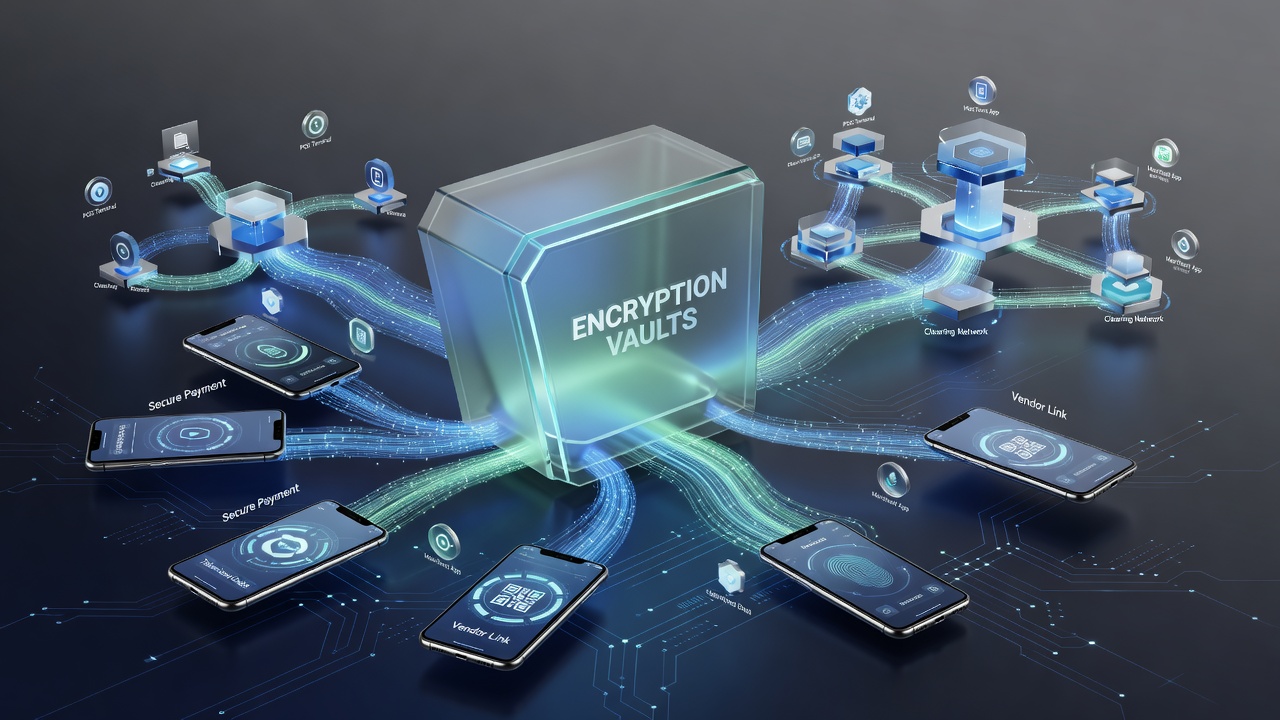
Encryption Vaults Connecting Smartphone Apps to Clearing Networks for Tokenized Bank Debit Security in Vendor Ecosystems
Encryption vaults function as secure repositories that manage cryptographic keys and tokenized credentials when smartphone applications interface with automated clearing networks for bank debit transactions within vendor ecosystems. These systems emerged from efforts to reduce exposure of sensitive account data during mobile-initiated transfers and they operate by isolating encryption processes from the main application environment. Research from payment security standards organizations shows that tokenization replaces primary account numbers with unique identifiers that hold no intrinsic value outside specific transaction contexts.
How Encryption Vaults Operate in Mobile Debit Flows
Vaults generate and store tokens through hardware security modules while smartphone apps request authorization for debit pulls that route through ACH or similar networks and the process begins when a user initiates a payment in a vendor application. The app communicates with the vault which then maps the request to a tokenized representation before forwarding it to the clearing infrastructure. Data indicates that such separation limits the attack surface because even if an app is compromised the underlying bank details remain inaccessible without vault credentials.
Integration occurs through API endpoints that enforce mutual authentication between the mobile client and the vault service and this setup supports recurring vendor billing by allowing scheduled debits without repeated exposure of account information. Observers note that as of June 2026 multiple vendor platforms have adopted these vaults to align with updated compliance frameworks that emphasize end-to-end encryption for account-to-account movements.
Tokenization Mechanics and Network Linkages
Tokenized bank debits rely on dynamic or static tokens issued under protocols that define their scope and lifespan and encryption vaults handle the lifecycle management including issuance rotation and revocation. When a clearing network receives a tokenized request it validates the token against issuer records before processing the funds transfer from the consumer bank account to the vendor settlement account. Studies on electronic payment pathways reveal that this approach reduces fraud vectors associated with stored credentials because tokens can be bound to specific devices merchants or transaction types.
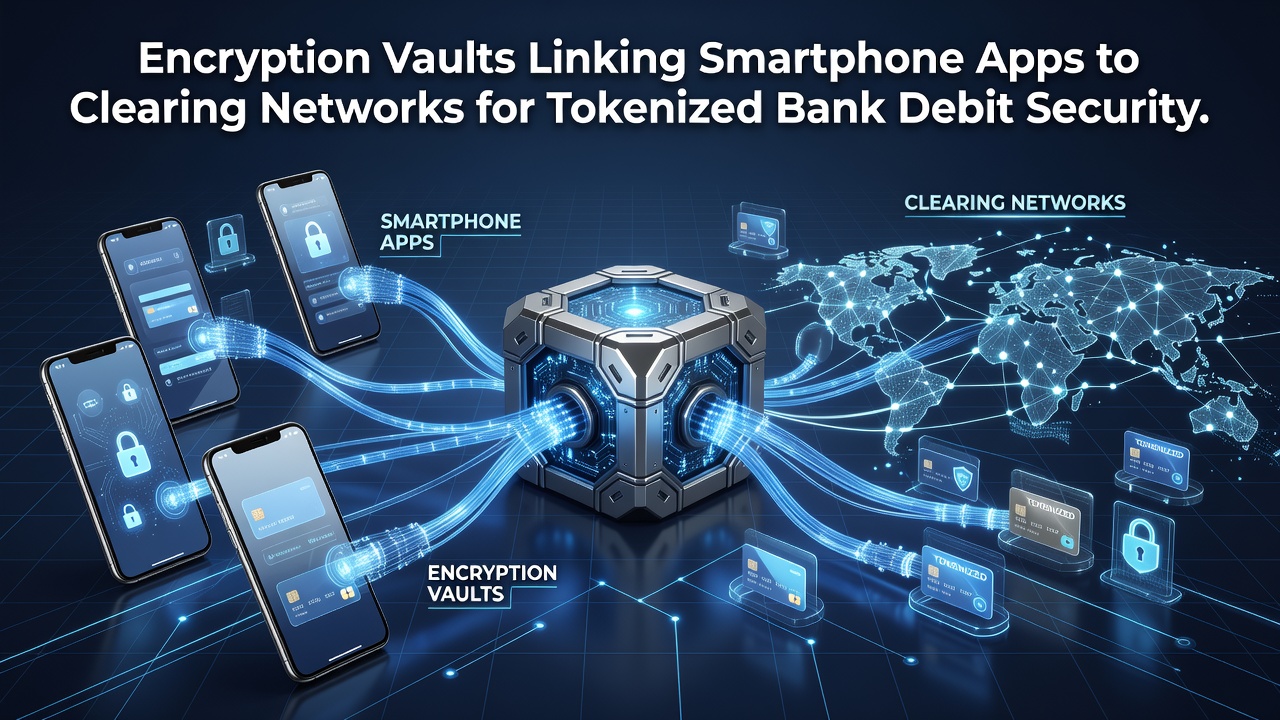
Clearing networks such as those operated under Federal Reserve guidelines receive these tokenized messages through secure channels that maintain data integrity and confidentiality throughout the settlement cycle. The linkage ensures that debit authorizations originating from smartphone apps undergo the same validation steps as traditional ACH entries while benefiting from additional cryptographic protections supplied by the vault layer.
Security Protocols in Vendor Ecosystems
Vendor ecosystems encompass merchants, service providers, and platform operators who process recurring or one-time debits from consumer bank accounts via mobile interfaces. Encryption vaults contribute to ecosystem security by enforcing segmentation so that each participant accesses only the minimum data required for their role. Figures from industry reports highlight that implementations incorporating vault technology have demonstrated lower rates of unauthorized transaction attempts compared to legacy credential storage methods.
Compliance requirements drive adoption because regulations governing electronic fund transfers mandate protections against data breaches and unauthorized access. Token binding mechanisms within vaults allow vendors to restrict usage to approved channels which in turn supports audit trails and dispute resolution processes. Those who manage these systems often configure policies that trigger automatic token replacement after a defined number of uses or upon detection of anomalous patterns.
Implementation Patterns Across Platforms
Developers integrate encryption vault services through software development kits that abstract the complexities of key management and token exchange. Smartphone applications call these SDK functions during checkout flows and the vault handles subsequent communications with clearing endpoints. Research indicates that this modular approach enables vendors to update security components without modifying core application code.
Case examples include subscription services that transitioned from direct account storage to vault-mediated tokenization and these transitions coincided with measurable improvements in transaction success rates alongside reduced compliance remediation efforts. Network operators have published technical specifications that detail message formats and authentication sequences required for vault-to-clearing connectivity.
Conclusion
Encryption vaults establish controlled pathways that connect smartphone applications to clearing networks while preserving the integrity of tokenized bank debit operations in vendor settings. The architecture supports compliance objectives and operational continuity by isolating sensitive processes and limiting data exposure. Continued evolution of these systems aligns with broader industry movements toward account-to-account payment methods that prioritize security without sacrificing convenience for end users or merchants.