Digital Receipt Frameworks: How Verification Layers and Bank Network Links Are Evolving Vendor Invoicing for Portable Commerce Scenarios
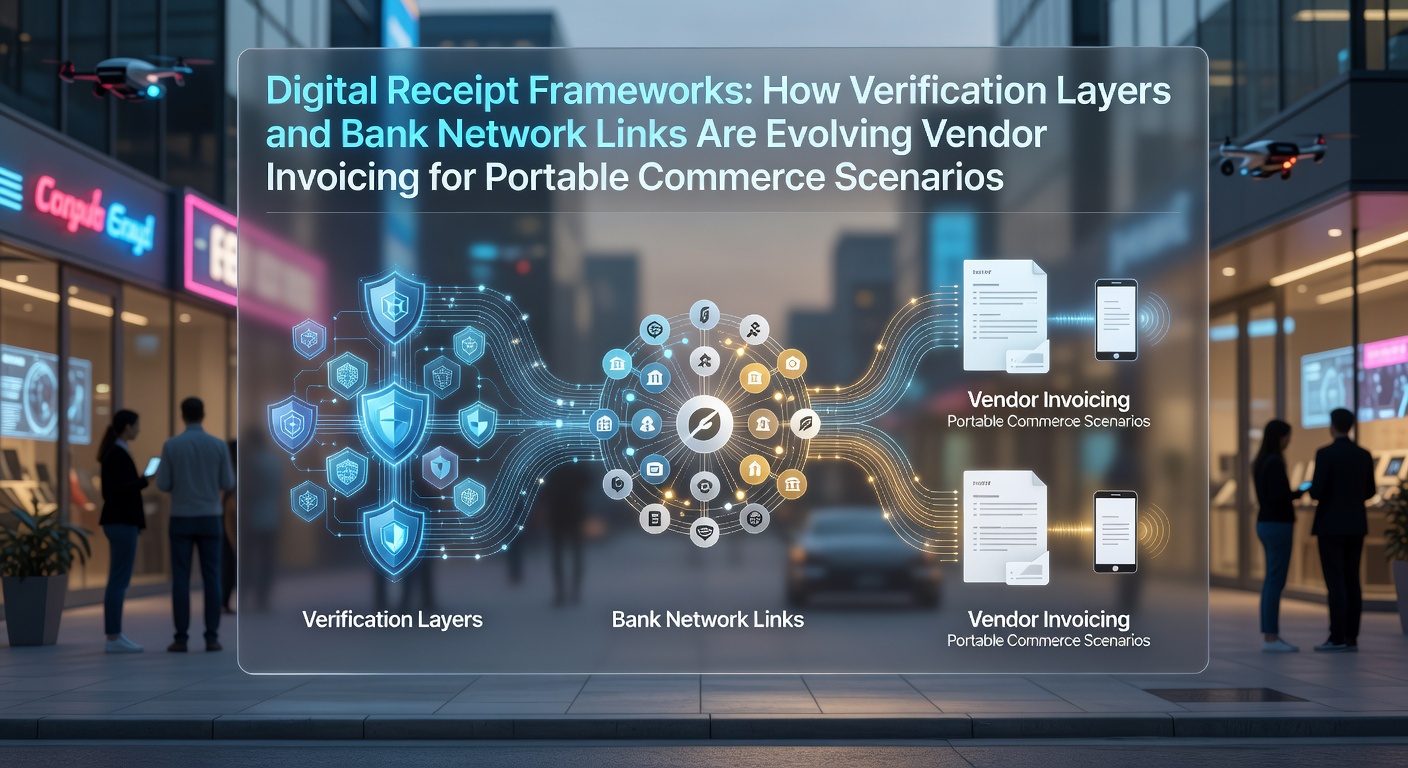
Portable commerce has shifted how vendors operate in markets, festivals, and temporary locations around the world, and digital receipt frameworks now serve as the backbone for accurate invoicing in these environments. These systems combine verification layers with direct bank network connections to replace paper records and reduce delays in transaction confirmation. Data from multiple regions shows that adoption rates for such frameworks increased notably between 2024 and 2026, particularly among small-scale operators who rely on mobile devices for daily sales.
Verification layers function as checkpoints that authenticate each invoice before it reaches the buyer or the financial system. Researchers at institutions tracking electronic commerce note that these layers often incorporate cryptographic checks and real-time data matching against bank records. In May 2026, updates to open banking standards in several countries allowed vendors to pull verified customer details directly into receipt generation without manual entry, which streamlined processes for those handling high volumes of low-value transactions.
Core Components of Modern Digital Receipt Systems
Bank network links form the second critical element by connecting vendor invoicing software straight to financial institutions. This setup enables automatic reconciliation of payments received through various methods, including transfers and card authorizations. Observers in the payments sector point out that such integrations cut down on discrepancies that previously arose when vendors used separate apps for receipts and banking. One study from a European research consortium highlighted how these links reduced reconciliation time by an average of 40 percent for mobile food vendors operating across multiple sites in a single day.
- Real-time authentication of invoice details against account balances
- Automated tax calculation and reporting tied to bank feeds
- Support for multi-currency handling in cross-border portable sales
Verification Layers in Action
Verification layers operate through a sequence of checks that confirm the legitimacy of each transaction record. These include digital signatures generated at the point of sale, followed by matching against issuer data provided through bank connections. Experts tracking portable commerce developments report that vendors using these layers experience fewer disputes over transaction details because receipts carry embedded proof of verification. In practice, a street market operator in Australia can generate an invoice on a tablet, have it verified within seconds via the linked banking network, and deliver a tamper-evident digital copy to the customer.
What's interesting is how these layers adapt to the constraints of portable setups where internet connectivity may fluctuate. Systems now cache verification tokens locally and sync them once a stable connection returns, which maintains continuity without forcing vendors to pause operations. Figures from industry reports compiled in early 2026 indicate that frameworks incorporating offline-capable verification saw higher retention among seasonal vendors who move between locations frequently.
Bank Network Links and Invoicing Evolution
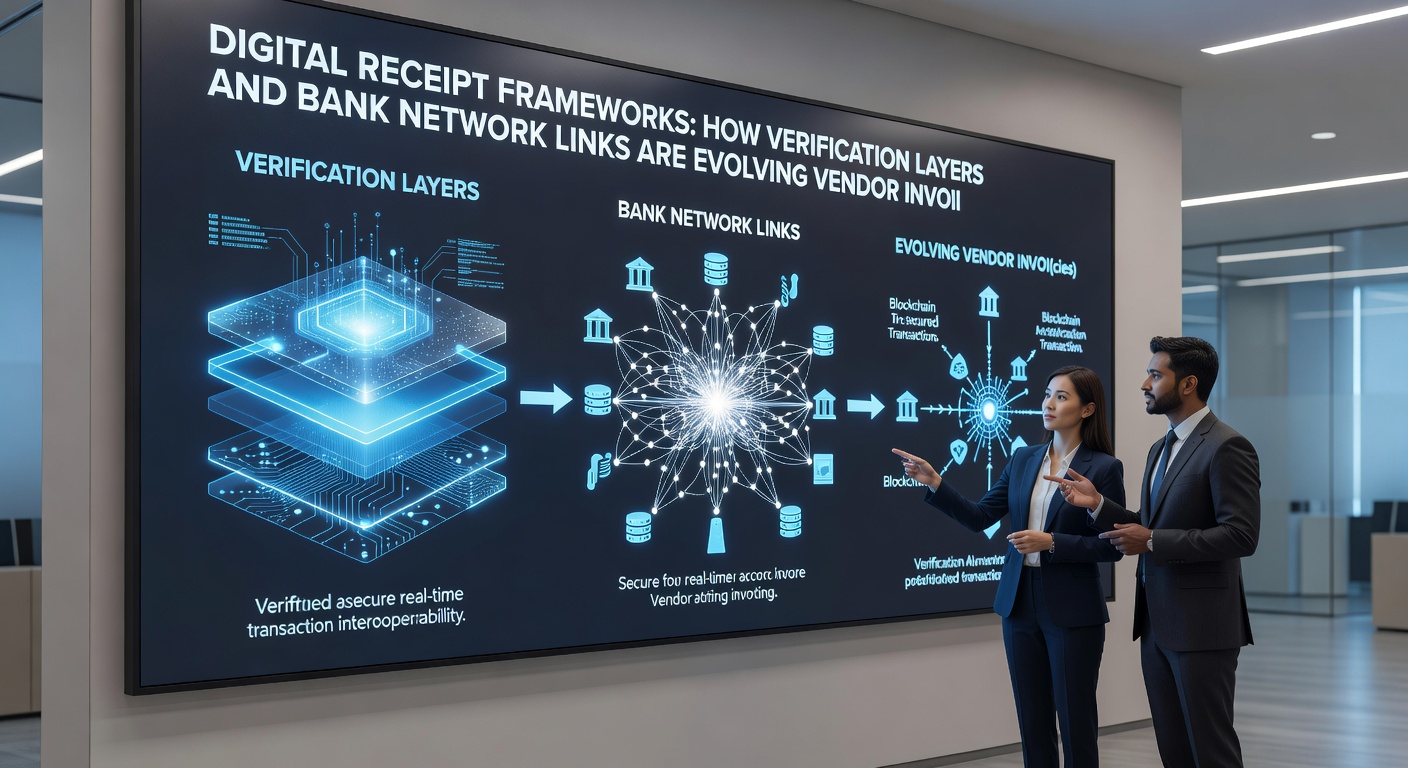
Direct bank network connections have transformed how invoices move from creation to settlement in portable commerce. Instead of relying on intermediary processors that add steps and fees, vendors now route verified receipts through standardized banking protocols. According to data released by the Bank for International Settlements, countries with mature open banking rules saw portable commerce operators adopt bank-linked receipt systems at twice the rate of regions without such frameworks by May 2026. This shift supports faster fund availability, which matters for vendors who restock daily from sales proceeds.
Take one vendor collective in Canada that integrated bank network links into their shared receipt platform. The group found that invoices generated with embedded verification data cleared into accounts within hours rather than the next business day, allowing them to adjust inventory purchases in real time based on actual revenue. Similar patterns appear in reports from academic studies examining small business adoption of these technologies across North American markets.
Practical Impacts on Portable Commerce
Portable commerce scenarios benefit directly from the combination of verification layers and bank connections because they address the unique challenges of mobility and variable transaction volumes. Vendors no longer need separate devices for receipt printing and payment acceptance. Instead, a single application handles invoice creation, verification, and transmission to the customer's preferred channel, whether that is email, messaging app, or secure download link. Research indicates that this consolidation reduces equipment costs and training time for operators who often work alone or with minimal staff.
Regulatory bodies in the European Union have issued guidance encouraging the use of standardized digital receipt formats that incorporate bank verification data. This approach aligns invoicing practices across member states and supports smoother cross-border operations for vendors who travel between markets. Data compiled through 2026 shows compliance improvements in regions where these guidelines were implemented alongside bank network upgrades.
Conclusion
Digital receipt frameworks continue to mature through tighter integration of verification layers and bank network links, which together reshape vendor invoicing for portable commerce. These developments support more reliable record-keeping, quicker settlement, and reduced operational friction for businesses that operate outside fixed locations. As standards evolve further, the systems provide a foundation for handling increasingly complex transaction flows while maintaining accuracy and traceability across diverse markets.