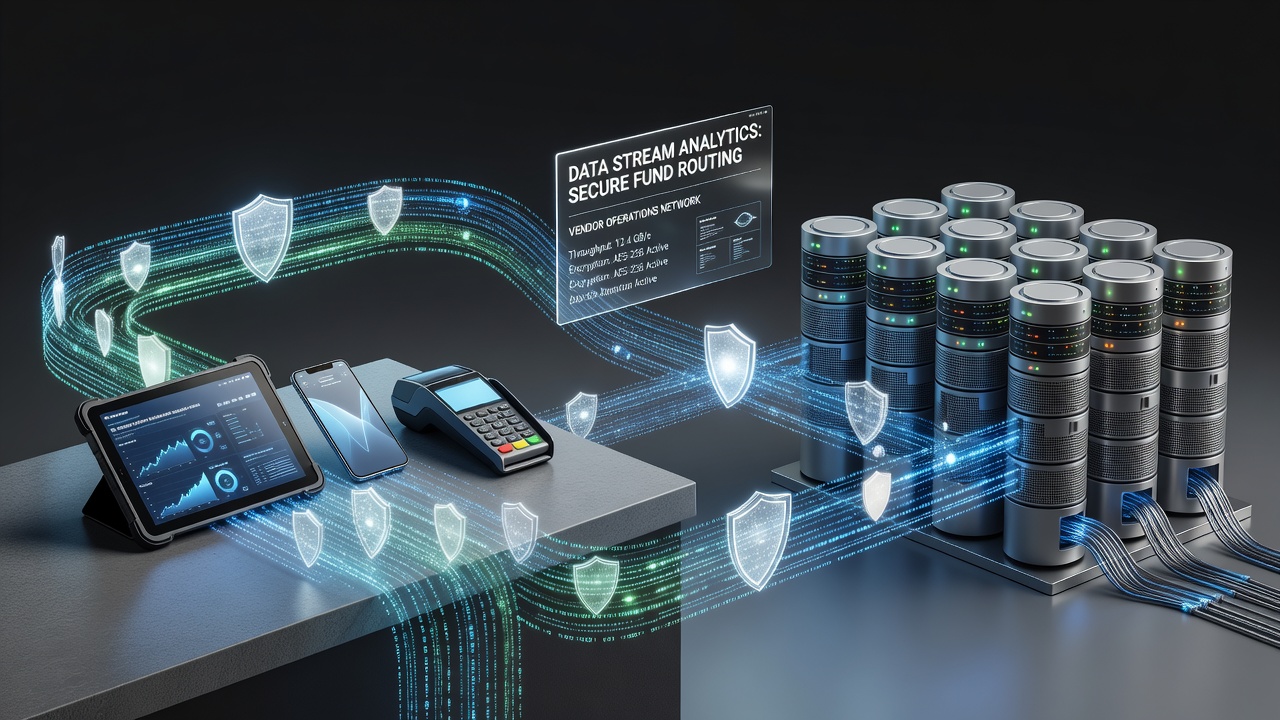
Data Stream Analytics Guiding Secure Fund Routing Between Portable Devices and Automated Bank Networks in Vendor Operations
Real-time data stream analytics processes continuous flows of transaction information from portable devices such as smartphones and tablets directly into automated bank networks during vendor operations, and this approach enables precise routing decisions that prioritize security at each step along the path. Vendors rely on these systems to handle high volumes of payments while maintaining compliance with established protocols, and the analytics engines evaluate patterns in device identifiers, location data, and transaction amounts as they arrive.
Core Mechanisms of Stream Processing in Payment Routing
Stream processing platforms ingest data from mobile applications used by vendors and apply algorithms that segment incoming requests into secure pathways toward clearing houses and bank ledgers, while filters remove anomalies before they reach automated networks. In practice this means a vendor transaction initiated on a portable device undergoes immediate validation against historical routing success rates and current network conditions, and the system adjusts the route dynamically if risk indicators rise above predefined thresholds. Researchers at institutions tracking payment infrastructure note that such methods reduce exposure points compared to batch processing models that delay analysis until after initial routing occurs.
Integration Points Between Portable Devices and Bank Networks
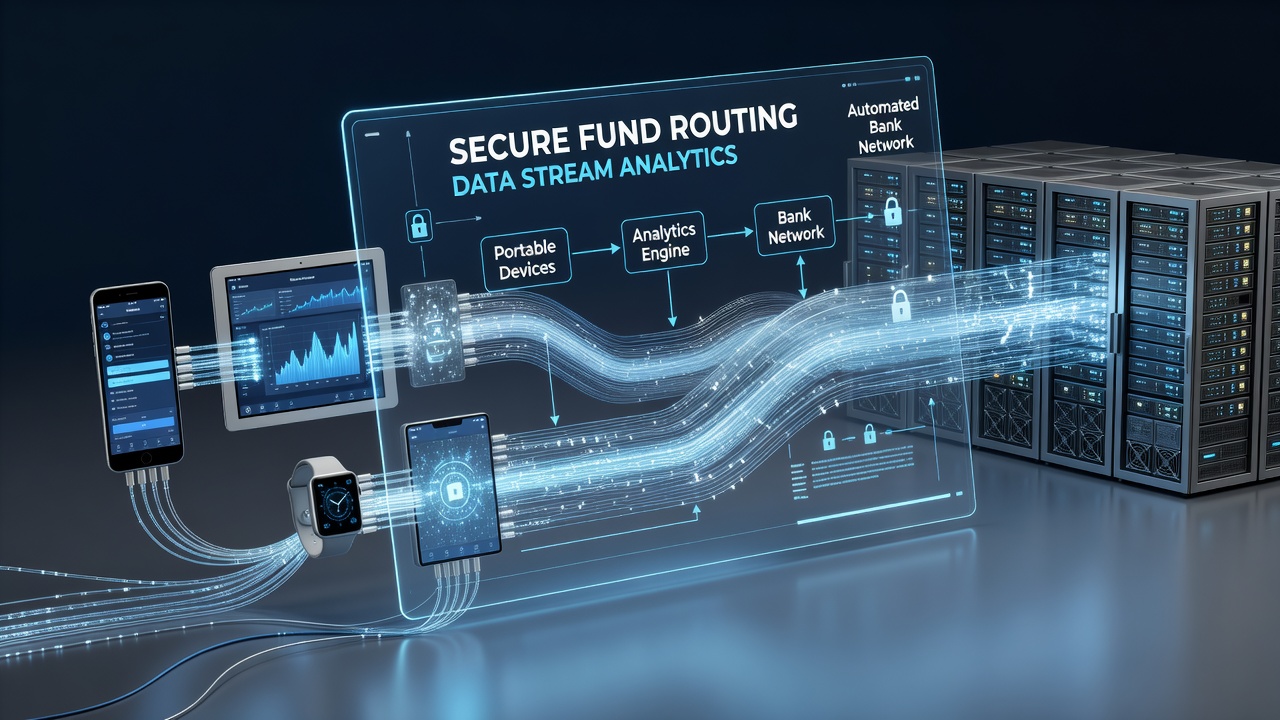
Portable devices connect through application programming interfaces that feed live data streams into analytics layers positioned between merchant terminals and automated clearing systems, and these layers map each transaction to the most secure available bank network segment based on encryption status and endpoint verification. Data shows that vendors operating in retail environments benefit when analytics correlate device telemetry with bank-side authentication records in milliseconds, which allows routing adjustments before funds leave the originating account. Observers note that this integration supports operations across multiple regions because the streams accommodate varying regulatory requirements without interrupting the flow.
Security Enhancements Through Continuous Analytics
Analytics engines monitor velocity of requests from individual devices and cross-reference them against vendor account histories, and when deviations appear the system reroutes or holds the transaction for additional checks within the bank network. In July 2026 several automated clearing networks implemented enhanced stream protocols that incorporate device fingerprinting data at the routing stage, which provides an extra verification layer for portable transactions. Those who manage vendor payment systems report that these updates align with broader efforts by organizations such as the Bank for International Settlements to standardize real-time security signals across borders.
Further downstream the analytics evaluate network congestion and select alternative bank routes when primary pathways show elevated latency or unusual activity patterns, and this decision process occurs without manual intervention. Case examples from large-scale vendor deployments illustrate how stream-based routing prevented unauthorized attempts by flagging mismatched geolocation signals from portable devices before funds reached the automated bank network.
Operational Benefits in Vendor Environments
Vendor operations that process recurring or high-frequency payments from portable devices gain efficiency because analytics maintain continuous oversight rather than periodic reviews, and this continuity supports consistent routing to compliant bank networks. Figures from industry reports indicate that stream analytics correlate device session data with bank network availability to minimize failed transfers, and the approach proves particularly useful in environments where vendors move between locations frequently. Experts have observed that integration with existing clearing protocols allows these analytics layers to operate alongside established security standards without requiring wholesale system replacements.
Emerging Patterns and Regulatory Alignment
Regulatory bodies in different regions continue to refine guidelines around real-time payment data handling, and stream analytics platforms adapt by embedding compliance checks directly into the routing logic before funds reach automated bank networks. A study from payment research centers highlights how vendors using these tools achieve higher rates of successful secure transfers when analytics evaluate both device and network variables simultaneously. The ball remains in the court of technology providers to refine stream processing speeds as transaction volumes grow through 2026 and beyond.
Conclusion
Data stream analytics continue to shape how portable device transactions route securely into automated bank networks within vendor operations, and the combination of continuous monitoring with dynamic pathway selection delivers measurable improvements in transaction integrity. As standards evolve and new integration methods appear, the factual record shows that these systems form a core component of modern payment infrastructure rather than an optional enhancement. Observers tracking developments expect further refinements in analytics precision as portable device capabilities and bank network automation advance in tandem.