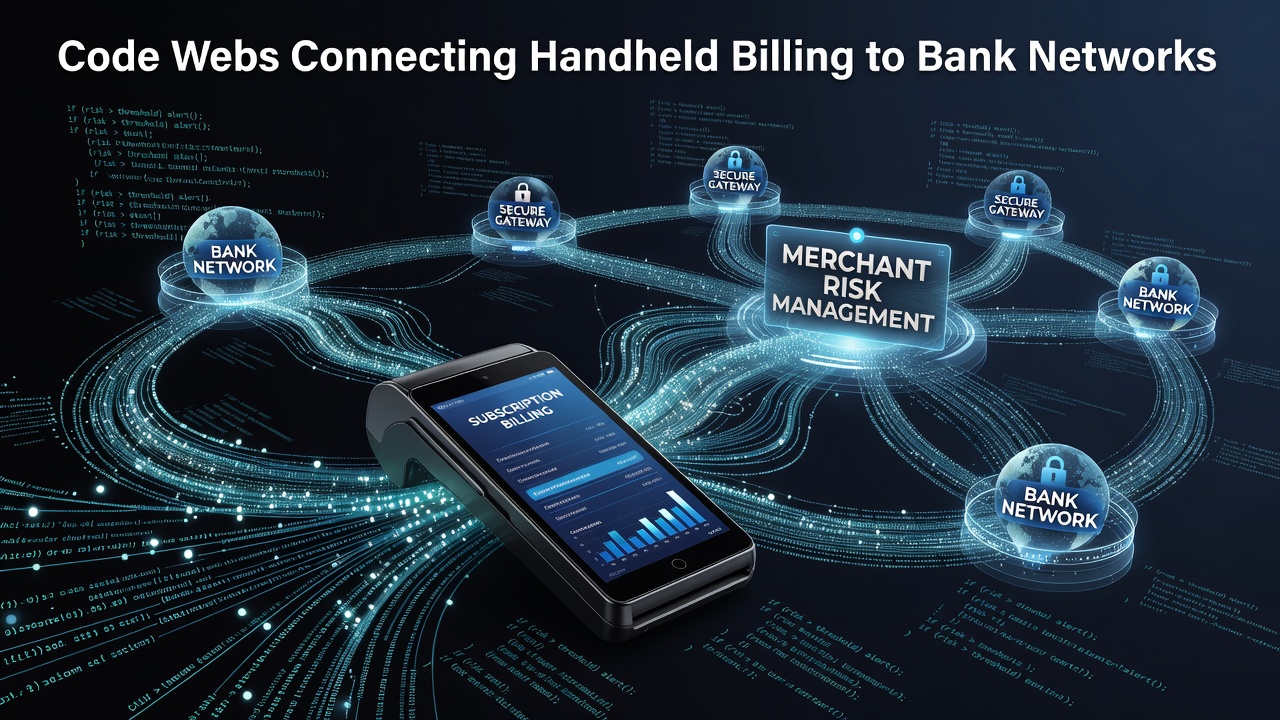
Code Webs Linking Handheld Billing Systems to Bank Networks in Subscription Risk Oversight
Developers build code webs that tie handheld billing applications directly into bank networks, creating layered pathways for data exchange in subscription models, and these integrations allow merchants to monitor transaction patterns in real time while managing exposure to unauthorized activity across recurring cycles. Systems pull authorization requests from mobile devices, route them through clearing protocols, and return verification signals that update risk profiles without interrupting service continuity.
Architecture of Integrated Code Pathways
Code webs consist of modular scripts and API endpoints that connect point-of-sale applications on smartphones to automated clearing houses and core banking systems, while they handle tokenization of account details so that sensitive data never resides on the merchant side for extended periods. Handheld devices initiate debit requests that pass through encrypted channels, and bank networks validate balances plus historical patterns before approving funds movement in subscription environments.
Research indicates that such linkages reduce latency in authorization workflows because direct network access replaces multiple intermediary hops, and developers configure these webs to trigger alerts when usage deviates from established baselines in recurring billing setups. As of June 2026, deployment metrics show wider adoption among mid-sized merchants who process high volumes of subscription renewals through mobile channels.
Risk Management Through Real-Time Bank Connections
Bank network connections embedded in code webs enable continuous scoring of merchant accounts by feeding transaction metadata back into centralized monitoring platforms, and this flow supports identification of anomalies such as sudden spikes in failed attempts or geographic mismatches that often precede fraudulent subscription takeovers. Handheld billing tools transmit device fingerprints alongside payment instructions so that receiving banks can cross-reference against known risk indicators before funds clear.
Those who maintain these systems observe that integration reduces chargeback incidence because verification occurs at the source rather than after settlement, while compliance logs generated during each cycle satisfy reporting requirements from multiple jurisdictions. Data shows merchants using direct bank-linked code paths experience fewer interruptions in recurring revenue streams compared with those relying solely on card networks.
Subscription Model Specifics and Compliance Layers
Subscription models benefit from code webs because they automate retry logic and dunning sequences that align with bank cutoff times, and these automated sequences pull updated account status directly from clearing networks to avoid repeated attempts on closed or restricted accounts. Handheld applications embed scheduling rules that respect regional banking holidays and processing windows, thereby maintaining consistency across global subscriber bases.

Observers note that regulatory frameworks in both North America and the European Union require documentation of these data pathways, and code webs generate audit trails that map every authorization request from device to bank ledger. Federal Reserve reports detail how such connections support adherence to evolving standards for electronic fund transfers in recurring contexts.
Technical Implementation Patterns Observed in 2026
Implementation begins with establishing secure sockets between mobile SDKs and bank APIs, after which developers layer in business rules that adjust approval thresholds based on subscriber tenure and average transaction values, and these rules execute within milliseconds so that user experience remains seamless during renewal events. Testing protocols simulate edge cases such as network outages or partial data corruption to verify that fallback mechanisms preserve transaction integrity.
Evidence from industry analyses reveals that organizations deploying these webs in June 2026 achieved measurable improvements in account health metrics, particularly when combining mobile debit paths with traditional clearing routes. The connections also facilitate reconciliation processes by matching bank-confirmed settlements against subscription ledgers in near real time.
Conclusion
Code webs that unite handheld billing with bank networks deliver structured mechanisms for overseeing risk in subscription environments through precise data routing and verification steps, and continued refinement of these pathways supports stable merchant operations while meeting compliance expectations across regions. Merchants gain visibility into transaction flows that previously required separate reconciliation efforts, and the resulting architecture positions recurring billing systems to handle volume growth without proportional increases in exposure.