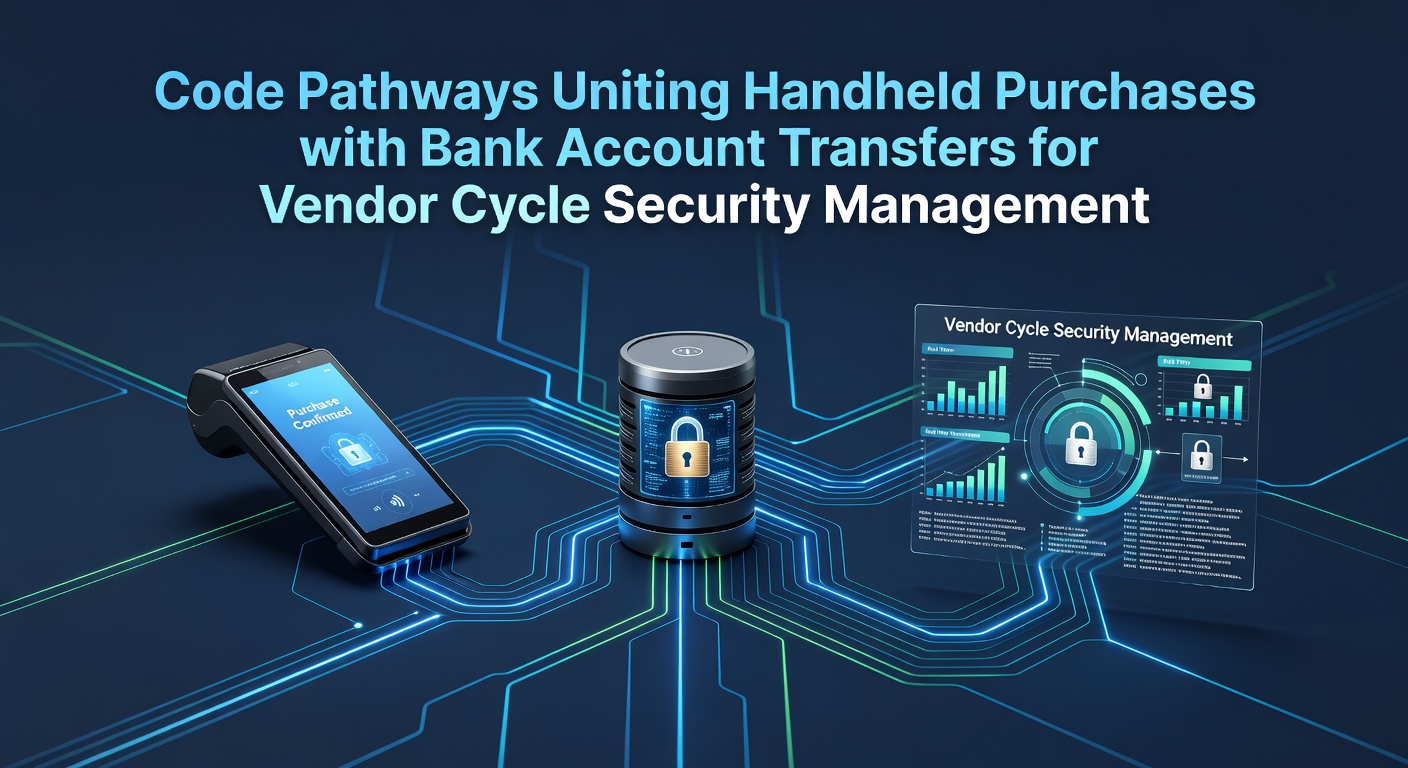
Code Pathways Uniting Handheld Purchases with Bank Account Transfers for Vendor Cycle Security Management
Developers have constructed intricate code pathways that connect handheld device purchases directly to bank account transfers, establishing structured channels for vendor cycle security management across multiple transaction environments. These integrations rely on application programming interfaces that route payment instructions from mobile applications through encrypted networks and into automated clearing house systems, reducing exposure points that traditionally appear in card-based flows.
Systems built around these pathways incorporate tokenization protocols at the point of transaction initiation, where a unique identifier replaces sensitive account details before any data travels beyond the handheld device. Observers note that this approach aligns with evolving standards from regulatory bodies such as Payments Canada, which has documented how direct bank linkages support compliance requirements without intermediate processors holding full credentials for extended periods.
Technical Architecture Behind the Connections
Code frameworks establish bidirectional communication between mobile operating environments and banking infrastructure through secure sockets and certificate-based authentication, allowing transaction requests to move from a vendor's application to an originating depository financial institution in milliseconds. Data packets carry metadata that includes device identifiers, geolocation markers, and velocity checks, all processed before funds move through the transfer rails.
Engineers design these pathways with modular components that separate the mobile interface layer from the settlement engine, enabling updates to security algorithms without disrupting existing vendor workflows. Research from academic institutions including the Massachusetts Institute of Technology has examined how such layered architectures limit the blast radius of potential breaches by isolating each segment of the transaction sequence.
Security Protocols in Vendor Payment Cycles
Encryption standards applied at multiple stages prevent interception during transit, while behavioral analytics engines evaluate patterns against historical baselines for each vendor account. When anomalies surface, the system can halt the transfer and trigger verification steps through secondary channels before releasing funds.
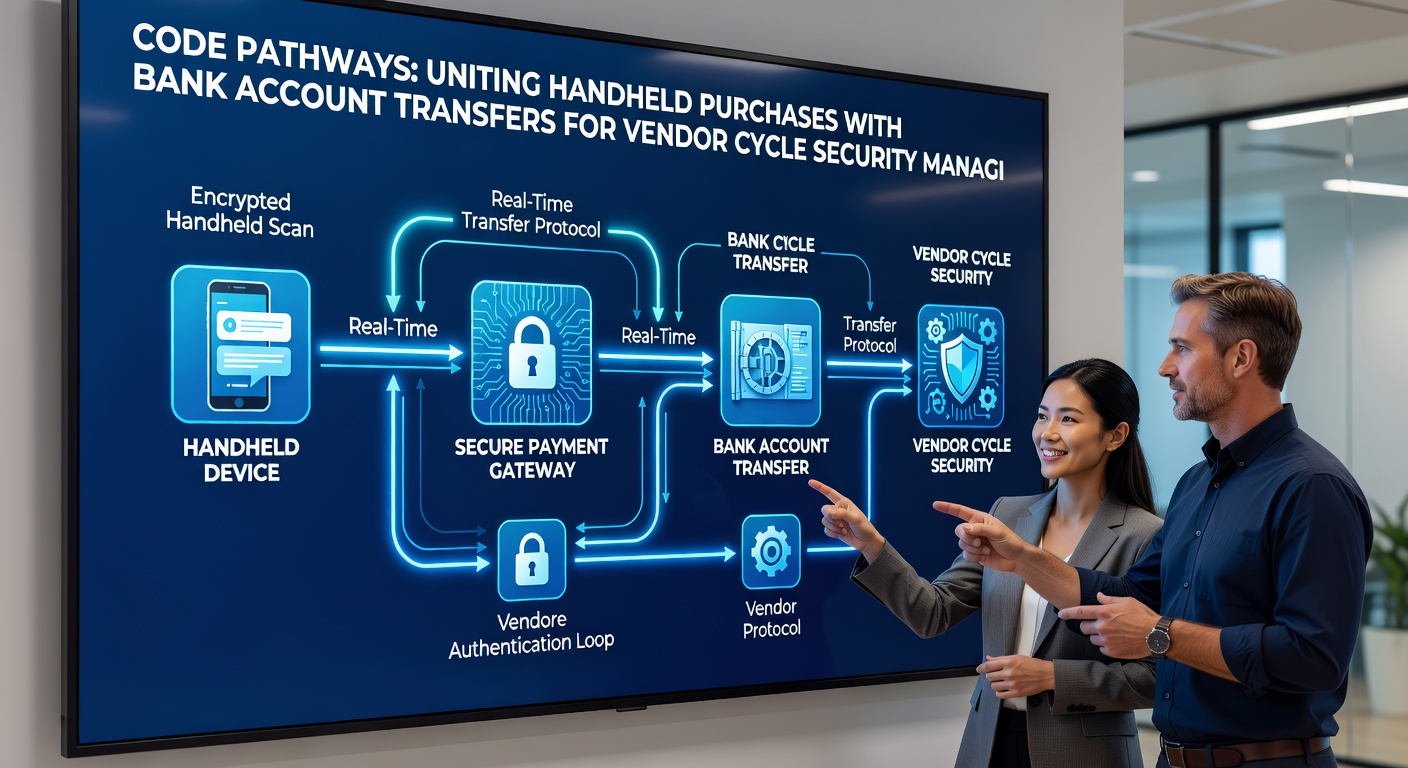
Multi-factor authentication embedded within the handheld interface combines biometric data with one-time passcodes generated through separate applications, creating overlapping verification requirements that complicate unauthorized access attempts. Reports from the Bank for International Settlements highlight how jurisdictions adopting these combined methods have recorded measurable declines in certain categories of payment fraud over recent reporting periods.
Implementation Across Business Environments
Retail operations have deployed these pathways to handle supplier payments initiated through field representatives using tablet devices, where purchase confirmations trigger immediate bank transfers instead of batch credit card settlements at the end of each day. Manufacturing firms similarly route equipment procurement approvals through mobile dashboards that interface with accounts payable systems and execute ACH movements upon digital sign-off.
Service providers managing recurring vendor contracts utilize scheduled triggers within the code pathways, allowing automated transfers to occur on predefined dates while maintaining audit logs that record each step from authorization to final settlement. These logs support reconciliation processes required under various financial reporting frameworks.
Developments Anticipated by May 2026
Updates scheduled for release in May 2026 include expanded support for real-time payment rails alongside traditional ACH options, giving vendors additional flexibility when timing cash flow requirements. Software development kits released by major platform providers will incorporate enhanced machine learning modules that refine fraud detection thresholds based on region-specific transaction data.
Testing programs conducted by industry consortia have already validated compatibility between updated handheld operating systems and the revised banking interface specifications, ensuring that code pathways remain functional across device generations. Documentation released ahead of these changes outlines migration steps that minimize downtime for existing vendor integrations.
Compliance Considerations and Data Handling
Code pathways incorporate consent management modules that record user permissions at each stage of data collection and transfer, aligning with requirements set by data protection authorities in multiple regions. Audit trails generated automatically satisfy record-keeping obligations without requiring separate manual processes from vendors.
Encryption key rotation schedules and access control lists limit the window during which any single credential remains valid, a practice endorsed in guidance from organizations such as the Australian Payments Network. These measures address both external threats and internal policy enforcement within vendor organizations.
Conclusion
Integration of handheld purchase mechanisms with bank account transfers through dedicated code pathways continues to reshape how vendors manage payment cycles while meeting security and compliance objectives. Continued refinement of these technical connections supports operational consistency across industries that rely on mobile-initiated transactions.