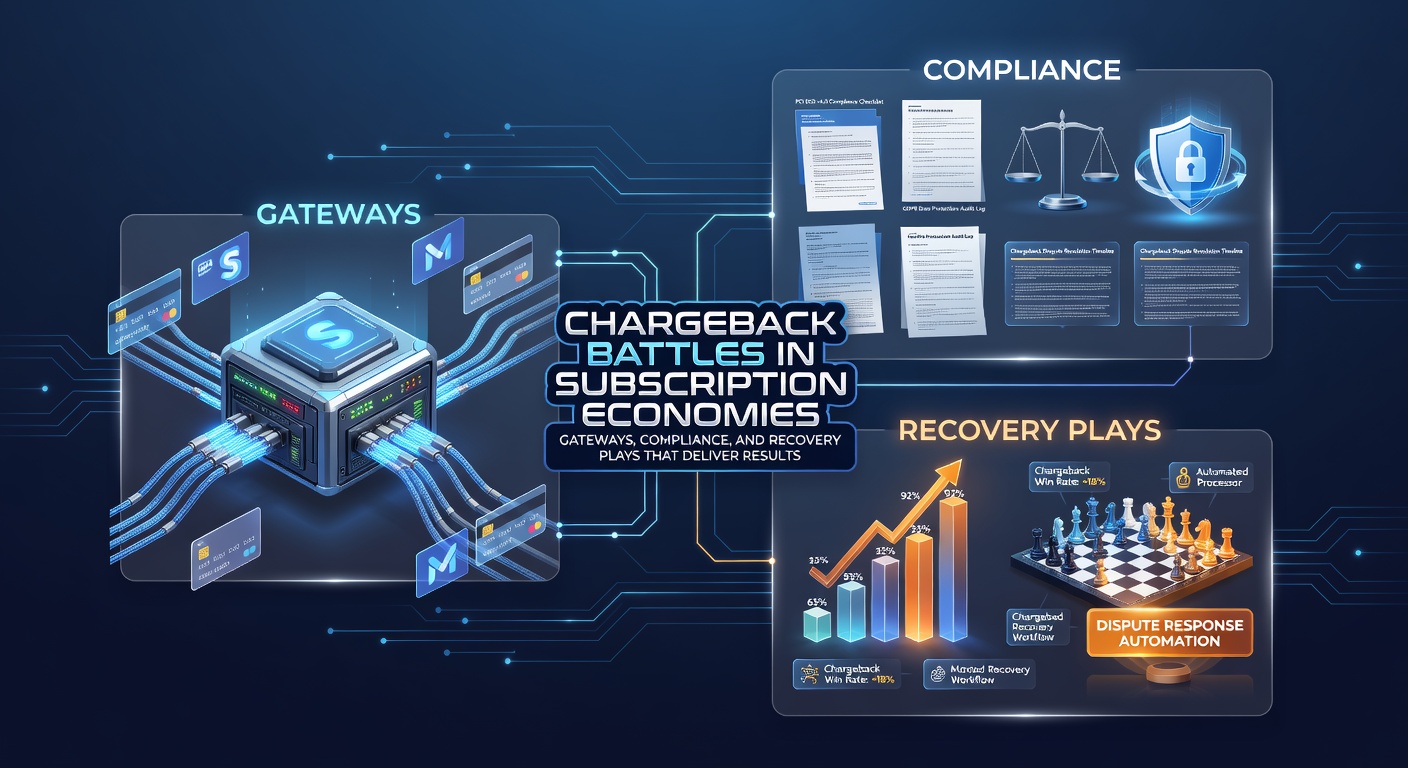
Chargeback Battles in Subscription Economies: Gateways, Compliance, and Recovery Plays That Deliver Results
The Subscription Surge Meets Chargeback Realities
Subscription models power everything from streaming services to meal kits these days, with global market value hitting $904 billion in 2023 according to Statista data, and projections pushing toward $1.5 trillion by 2025; yet chargebacks lurk as a persistent threat, siphoning off 1-2% of revenue in high-risk categories like digital goods and SaaS, while businesses scramble to plug the leaks through smarter gateways and tighter compliance. Experts tracking teh space note how forgotten renewals spark most disputes—often labeled "friendly fraud" where cardholders simply don't recognize the charge—leading to automatic losses unless merchants fight back effectively.
What's interesting is the sheer volume: payment processors report over 500,000 chargebacks daily worldwide, and subscription-heavy industries see rates double the merchant average of 0.7%, as revealed in recent Visa analytics; this hits hardest where recurring billing thrives, turning loyal customers into unwitting adversaries through billing hiccups or trial-to-paid slip-ups.
Payment Gateways as the First Line of Defense
Gateways like Stripe, Adyen, and Braintree don't just process transactions anymore—they deploy AI-driven fraud radars and velocity checks tailored for subscriptions, flagging suspicious patterns such as sudden card changes mid-cycle or mismatched IP geolocations; take Stripe Radar for instance, which blocks 1 in 1,000 fraudulent payments before they settle, while integrating seamlessly with recurring billing APIs to pre-authorize and tokenize cards upfront. And here's where it gets practical: gateways now bundle 3D Secure protocols, mandating extra authentication layers that slash chargeback eligibility by up to 70%, according to Mastercard benchmarks.
Those who've optimized their stacks often pair gateways with dunning sequences—automated emails chasing failed payments before they escalate to disputes—recovering 20-30% of would-be chargebacks in the process; but the real edge comes from gateway-specific representment tools, where automated evidence packets get filed within the 45-day window, boosting win rates to 60% versus the industry 40% baseline.
Compliance Hurdles in a Global Subscription Landscape
Navigating regs keeps merchants on their toes, especially with the EU's PSD2 enforcing Strong Customer Authentication since 2021, now influencing gateways worldwide to adopt SCA for all recurring payments beyond the first; non-compliance risks fines up to 4% of annual revenue under GDPR umbrellas, while U.S. merchants dodge similar heat via the FTC's Telemarketing Sales Rule, demanding clear cancellation paths and pre-billing disclosures for subscriptions. Turns out, Australia's ACCC cracked down in 2023 with mandatory easy-exit rules, fining non-compliant firms millions and pushing gateways to embed one-click cancels directly into checkout flows.
Experts observe that layered compliance—merging regional mandates like Canada's PIPEDA data rules with gateway-side tokenization—creates a moat against disputes; for example, businesses aligning with Visa's VBV and Mastercard's SecureCode see dispute volumes drop 25%, since issuers reject baseless claims lacking proper auth trails.
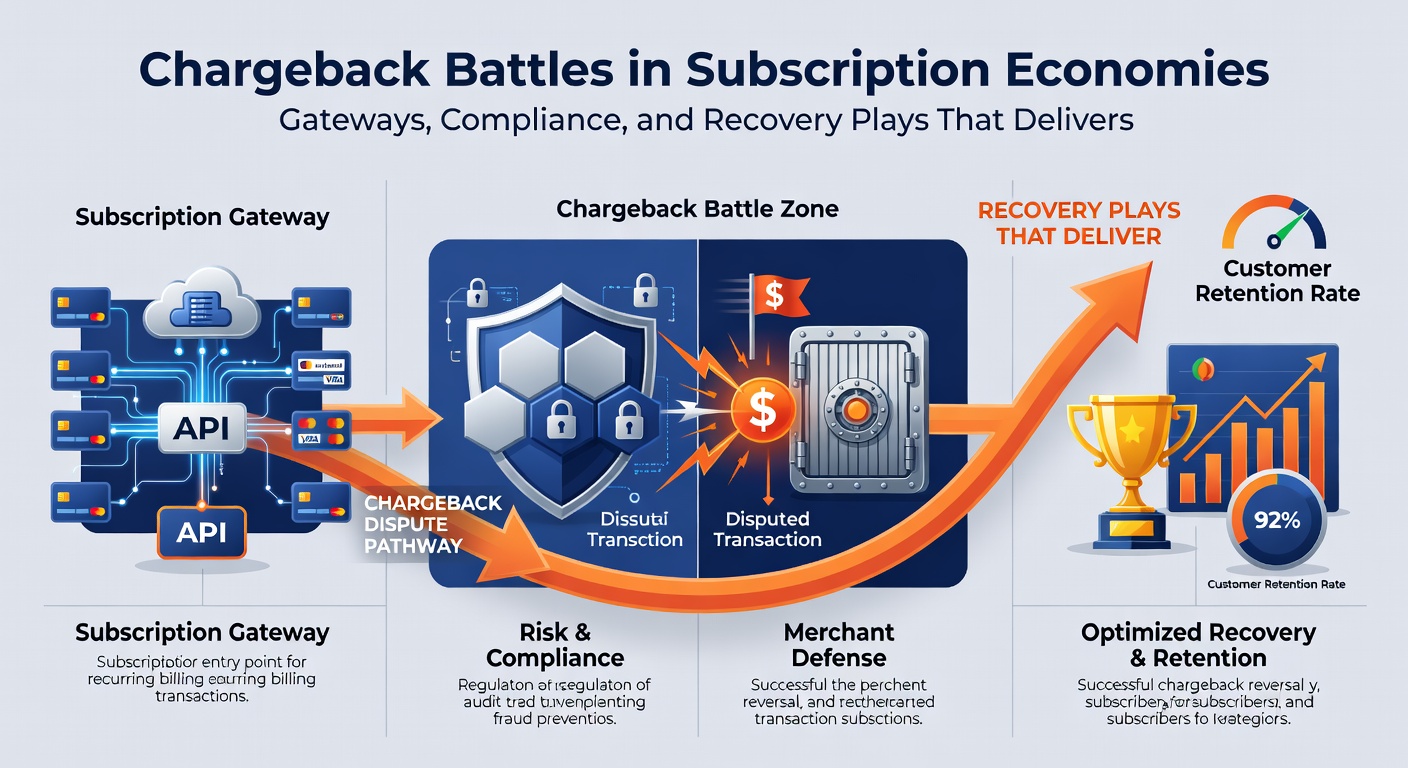
Recovery Plays That Actually Move the Needle
Winning chargebacks demands speed and evidence, so top performers lean on automated platforms like Chargeflow or Midigator, which parse reason codes—think 4853 for cardholder disputes—and auto-generate compelling proof like IP matches, AVS verifications, and prior transaction histories; data from these tools shows win rates climbing to 80% when responses hit under 10 days, versus 20% for late filers. But here's the thing: prevention trumps cure, with pre-chargeback alerts via gateways notifying merchants of incoming disputes 24-48 hours early, allowing proactive customer outreach that resolves 40% amicably.
One case saw a fitness app recover $250,000 quarterly by scripting personalized refund offers tied to usage data, while another SaaS firm slashed ratios 35% through gateway-mandated stored credential flags on initial subs; those who've dialed this in often layer machine learning models predicting at-risk accounts based on churn signals, intervening with pauses or downgrades before the cardholder pulls the trigger.
Real-World Wins and Lessons from the Trenches
Consider a streaming service hammered by 1.5% chargeback rates in 2024; they switched to Adyen's gateway with built-in compliance suites, rolled out biometric 3DS, and deployed recovery bots—netting a 62% dispute win rate and halving overall losses within six months, per their internal metrics shared at industry summits. Similarly, a box subscription brand in Canada faced PIPEDA scrutiny but turned it around via gateway token vaults and automated dunning, dropping disputes 28% while boosting retention through transparent billing dashboards.
And in Europe, where PSD3 looms on the horizon, early adopters test dynamic linking for subscriptions—tying future payments to explicit consents—which early pilots show cuts chargebacks by 45%; people who've run these plays know the drill: audit billing descriptors for clarity, since vague ones like "WEB*SUB123" fuel 30% of disputes, and always log consents meticulously for representment packs.
What's on Deck for April 2026 and Beyond
By April 2026, expect tighter harmonization across borders, with the EU's PSD3 rolling out enhanced liability shifts favoring compliant gateways, while U.S. issuers ramp up BIN alerts under new Fed guidelines to preempt subscription gripes; Australian regs evolve too, mandating real-time cancellation APIs that gateways must support, potentially trimming disputes another 15-20% per ACCC forecasts. Observers point to AI's next leap—predictive chargeback simulators in gateways forecasting losses per cohort—already in beta and promising 90% accuracy by mid-decade.
That said, the rubber meets the road in hybrid models blending subs with one-offs; gateways evolving here with unified compliance engines will dominate, as data indicates hybrid merchants weather chargeback storms 40% better than pure-recurring plays.
Conclusion
Chargeback battles define subscription success, yet gateways equipped with compliance armor and sharp recovery tactics turn tides consistently; figures reveal that integrated approaches— from AI fraud shields to evidence automation—deliver 50-70% better outcomes across the board, safeguarding revenues while honoring customer rights. Businesses mastering these elements not only minimize losses but also fortify trust, ensuring the subscription economy keeps expanding without the drag of preventable disputes.