Biometrics Reshaping Authorization Between Handheld Apps and Clearing Networks in Merchant Operations
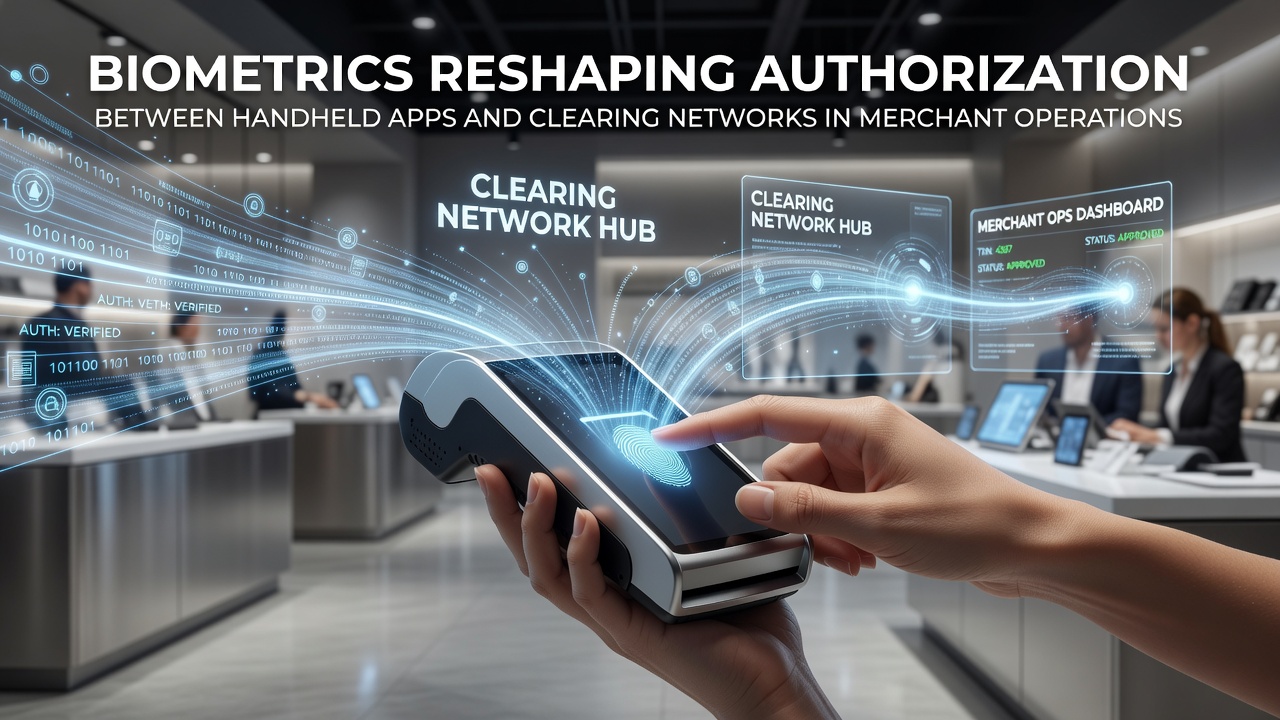
Merchants have integrated biometric verification into handheld applications to confirm user identity before transactions reach automated clearing networks, and this shift has altered how authorization requests move through payment rails. Fingerprint sensors and facial recognition systems now handle initial validation steps on smartphones, while the resulting tokens travel to ACH operators and card networks for final settlement. Data from payment processors shows rising adoption rates across retail and subscription-based businesses since 2024, with many systems routing biometric approvals directly into existing compliance frameworks.Core Mechanics of Biometric Authorization in Mobile Environments
Handheld apps capture biometric data at the point of sale or during recurring billing cycles, then convert those inputs into encrypted templates that match against stored records on the device. Once verified, the app generates an authorization request that includes the biometric confirmation flag, which clearing networks recognize as part of the transaction payload. Researchers at institutions tracking payment infrastructure note that this approach limits exposure of full account details during transmission, since the biometric element replaces certain password or PIN requirements.
Clearing networks such as the Automated Clearing House have updated their messaging standards to accommodate these flags, allowing merchants to maintain PCI compliance while processing debits from linked bank accounts. In practice, a subscription service might prompt a user for facial recognition on their phone before initiating an ACH pull, and the network processes the request with the added security marker intact.
Integration Points Between Apps and Settlement Systems
Developers connect biometric modules in mobile applications to backend gateways that interface with both card rails and ACH operators. These gateways translate the verified request into standardized formats accepted by networks, including fields that indicate biometric authentication occurred. Observers tracking merchant operations report that such connections have reduced certain categories of authorization failures, particularly those tied to credential theft.
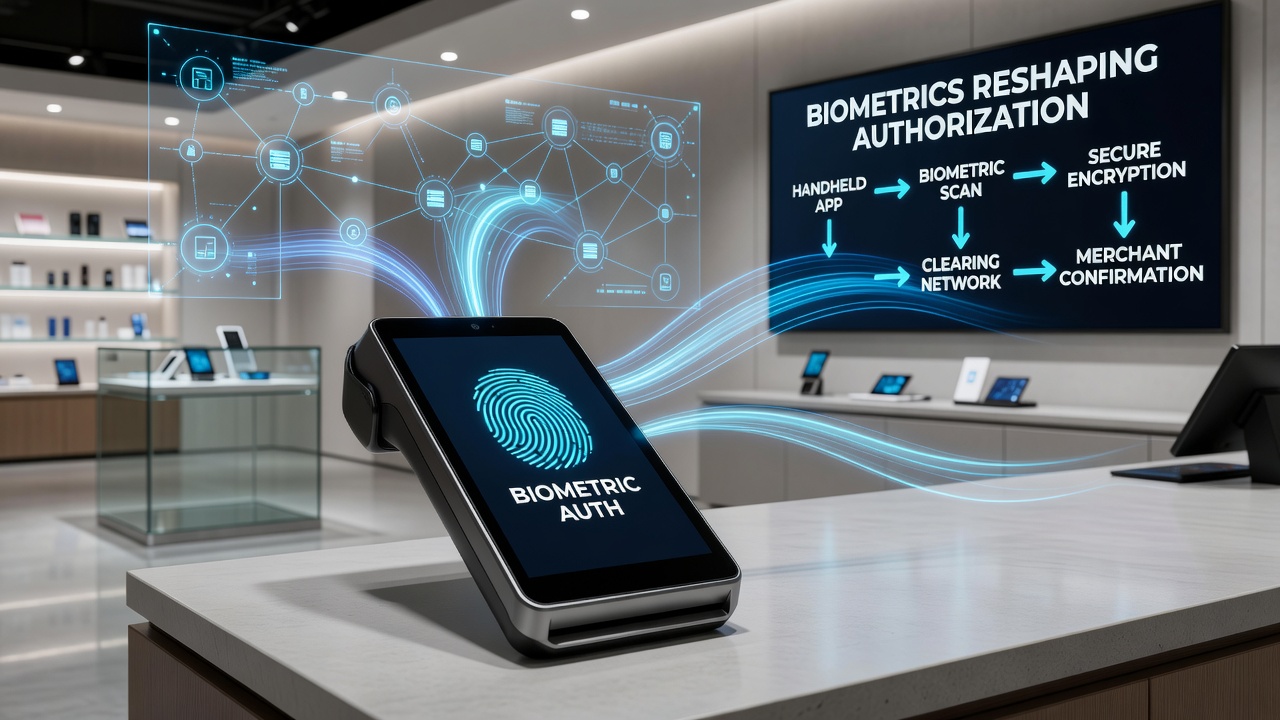
Tokenization plays a central role here, as biometric confirmations often pair with device-bound tokens that persist across sessions. When a transaction reaches the clearing stage, the network validates both the token and the biometric status before releasing funds. According to guidance from the Federal Reserve, these layered checks align with broader efforts to strengthen authorization protocols in electronic payments.
Compliance and Security Considerations in July 2026
By July 2026, updated technical specifications from major clearing operators required explicit biometric attestation fields in transaction messages for certain high-value or recurring merchant flows. These requirements built on earlier frameworks and applied to both domestic ACH transfers and cross-border card authorizations processed through mobile channels. Merchants operating subscription models adjusted their app codebases to embed these attestations, ensuring that clearing networks could enforce the new validation rules without disrupting settlement timelines.
Security teams have documented fewer instances of account takeover attempts succeeding when biometric checks precede network submission, because the process ties authorization to physical device characteristics rather than knowledge-based factors alone. European regulatory updates around strong customer authentication have influenced similar practices in North American systems, creating consistent expectations for how handheld apps must interact with clearing infrastructure.
Operational Impacts on Merchant Workflows
Merchants report streamlined reconciliation processes once biometric authorization data flows into their reporting dashboards alongside settlement records. Finance teams can trace which transactions carried biometric verification markers, which supports audit trails required under various data protection regulations. One mid-sized e-commerce operator implemented facial recognition prompts for all recurring ACH debits in early 2025, and internal metrics later showed measurable drops in disputed charges reaching the clearing stage.
Developers continue refining the handoff between app-level biometric engines and network APIs, focusing on latency reduction so that authorization occurs without noticeable delays for end users. Industry reports indicate that these optimizations have supported higher transaction volumes during peak periods without compromising the integrity checks performed by automated clearing systems.
Future Trajectories in Biometric Network Integration
Continued testing of multimodal biometrics, combining fingerprint with behavioral signals, is underway at several payment technology firms. These experiments aim to maintain compatibility with existing clearing network protocols while adding further verification layers. Academic studies examining transaction datasets have highlighted patterns where biometric-enabled authorizations correlate with lower exception rates during settlement.
Merchants evaluating system upgrades examine how their current handheld applications align with the latest clearing house specifications for biometric data handling. This evaluation often includes mapping device capabilities against network requirements to ensure uninterrupted processing of both one-time and recurring payments.
Conclusion
Biometric technologies have established new pathways for authorization that link handheld applications directly to the validation processes managed by clearing networks in merchant operations. The technical and procedural adjustments completed through mid-2026 reflect coordinated updates across device manufacturers, software developers, and financial infrastructure providers. These changes continue to shape how transactions move from mobile interfaces through to final settlement, with measurable effects on security markers and compliance documentation.