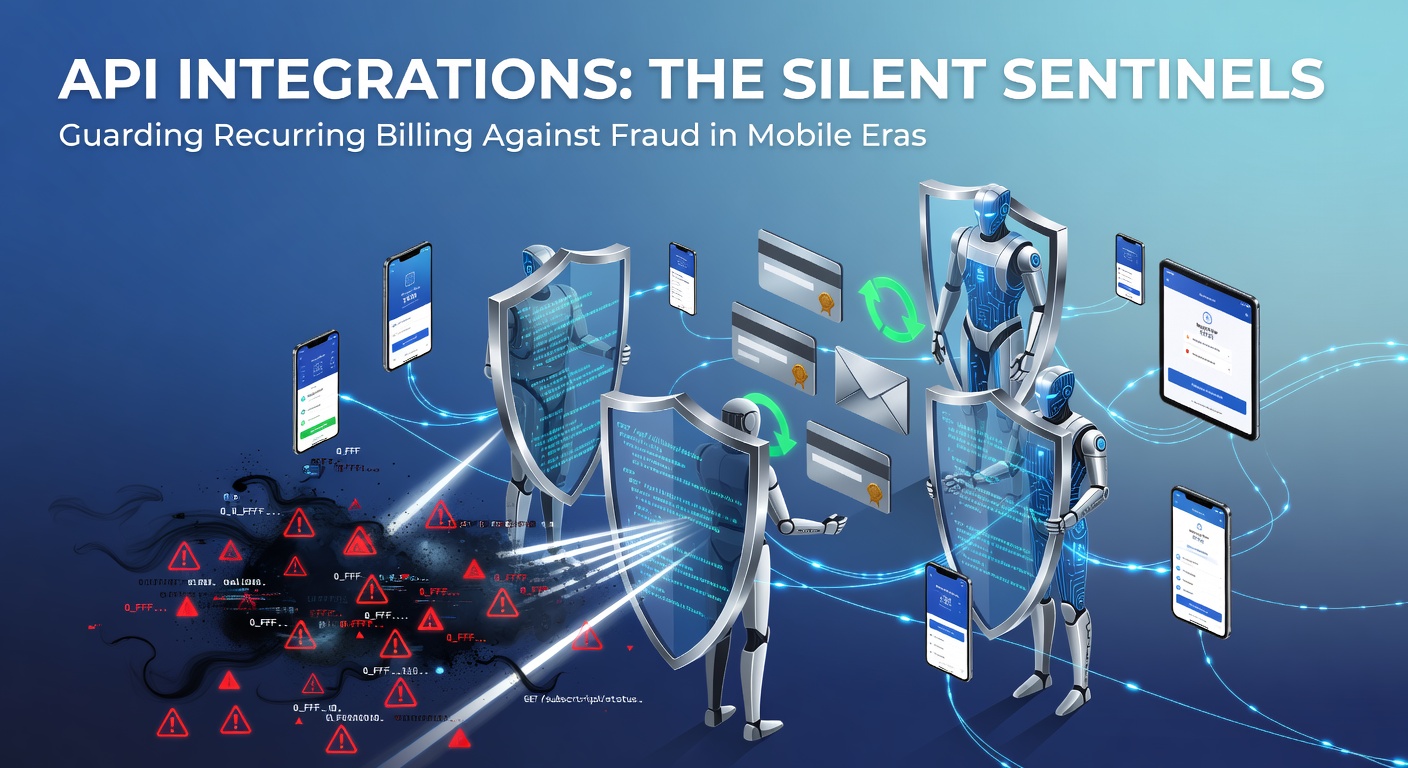
API Integrations: The Silent Sentinels Guarding Recurring Billing Against Fraud in Mobile Eras
The Surge of Mobile Subscriptions and Hidden Fraud Risks
Mobile apps now drive billions in recurring revenue, with streaming services, fitness platforms, and SaaS tools locking users into seamless monthly charges; yet this convenience opens doors to sophisticated fraud schemes targeting stored payment details. Data from the Federal Reserve Payments Study reveals that mobile-initiated transactions surged 25% year-over-year through 2022, while fraud attempts on digital wallets climbed even faster, hitting subscription models hardest because repeat access bypasses initial scrutiny. Fraudsters exploit weak points like app store vulnerabilities or cloned credentials, siphoning funds before merchants notice; that's where API integrations emerge as quiet enforcers, linking payment processors, fraud detection engines, and billing systems in real-time to flag anomalies before charges post.
Observers note how subscription fraud losses topped $12 billion globally in 2023, according to industry trackers, with mobile accounting for over 40% due to device portability and quick onboarding; but here's the thing—APIs turn this vulnerability into a strength by enabling continuous verification without disrupting user experience. Take streaming giants who integrate APIs for tokenization, swapping raw card data for secure tokens that renew automatically, thwarting theft even if credentials leak.
Unpacking the Fraud Landscape in Recurring Mobile Billing
Fraud in recurring billing often starts subtle: account takeovers via phishing, where attackers use stolen logins to tweak payment info, or friendly fraud, when users dispute legit charges post-trial; mobile amplifies this since biometrics falter on shared devices, and VPNs mask locations. Research from Juniper Research indicates subscription fraud will cost merchants $19 billion by 2027, up from $10 billion in 2023, driven largely by mobile app exploits; yet APIs counter this by orchestrating data flows between issuers, acquirers, and risk engines, spotting patterns like velocity spikes—say, 10 failed logins from Brazil followed by a charge in Canada.
What's interesting is how these integrations layer defenses: device fingerprinting via APIs collects browser traits, OS versions, even battery levels, building profiles that scream "fraud" when mismatches occur, while behavioral analytics tracks swipe patterns or session durations; people who've implemented them report 60-70% drops in false positives compared to legacy rules-based systems. And in high-stakes sectors like gaming apps with in-app purchases, APIs enforce geo-fencing tied to billing cycles, blocking cross-border anomalies that plague one-off transactions less.
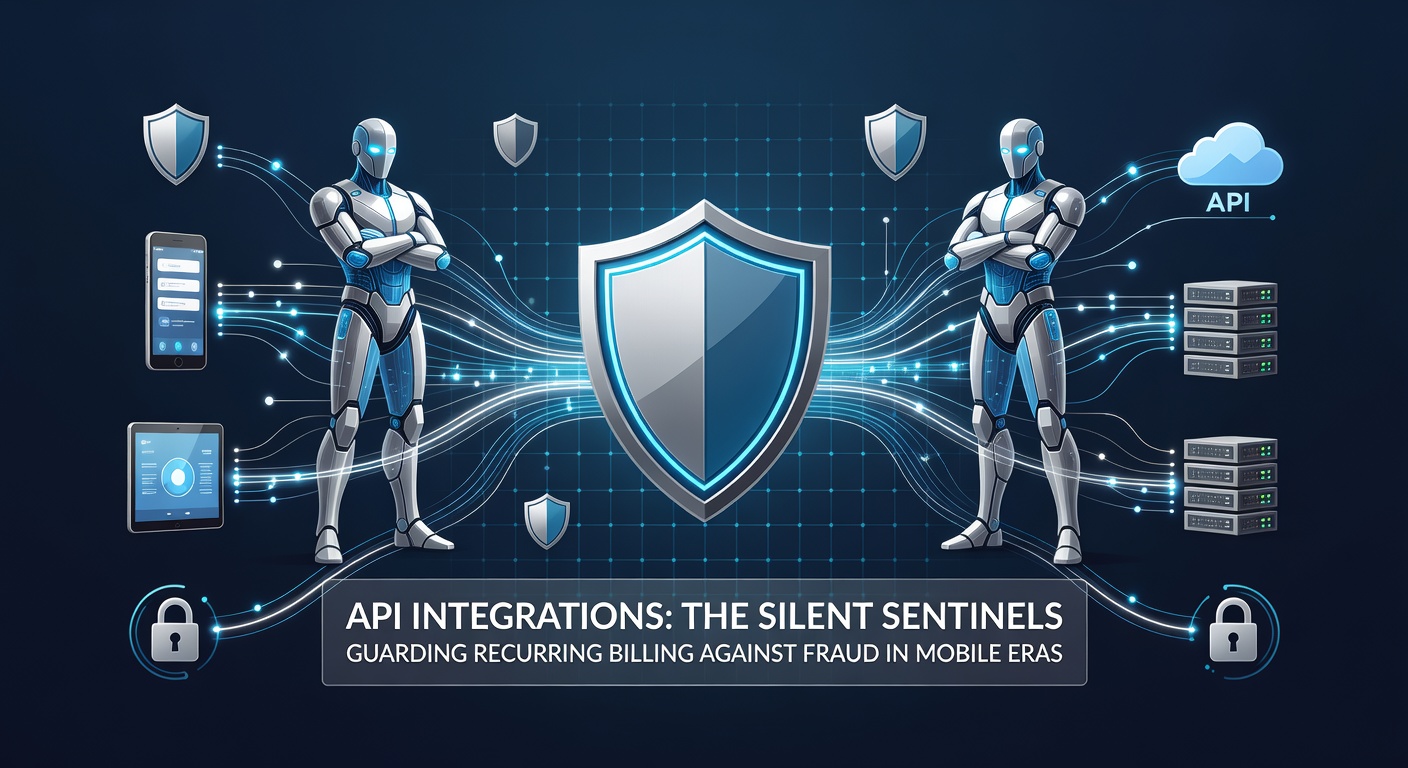
Core Mechanisms of API-Driven Fraud Prevention
API integrations shine through standardized protocols like RESTful endpoints or GraphQL queries that pipe transaction data instantly to multiple validators; for recurring billing, they handle network tokenization—where Visa or Mastercard APIs provision dynamic tokens per cycle, invalidating them post-use to neuter stolen data. Experts have observed that 3D Secure 2.0 integrations via APIs boost authorization rates to 90% while slashing fraud by 80%, as frictionless exemptions rely on risk scores computed from billions of data points; this matters hugely in mobile, where screen taps demand speed, yet fraudsters probe endlessly.
But here's where it gets interesting: machine learning models, fed live via APIs from providers like Forter or Sift, learn from global datasets, adapting to "sleeper" accounts dormant for months before draining; one study revealed such APIs cut ATO losses by 75% in e-commerce subscriptions. Semicolon-separated feeds from device intelligence APIs (think FingerprintJS) cross-reference IP geos, carrier signals, and app metadata, creating moats around billing vaults; although setup demands dev resources, the payback hits fast, with ROI often exceeding 5x through recovered revenue.
Real-World Deployments and Performance Metrics
Consider a fitness app chain that rolled out API links to Stripe Radar and Plaid in 2024; fraud attempts on monthly dues dropped 65%, per their public case study, because real-time webhooks alerted on login bursts from emulators—common mobile fraud tools. Similarly, SaaS platforms integrate PayPal's Fraud Protection APIs, which scan for synthetic identities blending real and fake data; figures show these catch 92% of first-payment frauds that recur, preserving long-term customer value.
Now, in regions like Australia, where the Reserve Bank mandates robust payment rails, businesses leverage APIs compliant with NPP standards for instant verification; data from the RBA Payments System Department highlights how API orchestration reduced mobile fraud disputes by 40% post-2022 reforms. Those who've studied deployments know orchestration platforms like Zapier or custom microservices bundle these, scaling for Black Friday spikes without crashing; it's not rocket science, but execution demands precise endpoint mapping to avoid latency that invites exploits.
Evolving Standards and the Road to 2026
Regulators push harder: the EU's PSD3 framework, slated for April 2026 rollout, enforces API gateways for open banking with fraud mandates that demand consent-based data sharing and AI risk assessments; this builds on PSD2 gaps, where mobile fraud spiked 30% due to lax SCA exemptions. Meanwhile, US issuers via EMVCo evolve token APIs for wearables, projecting 50% of recurring mobile bills tokenized by 2028; turns out, cross-border APIs like those from Adyen unify compliance, auto-applying rules from multiple jurisdictions.
Challenges persist—API sprawl leads to shadow integrations vulnerable to DDoS, so observability tools like Datadog monitor calls; yet innovations like WebAuthn APIs for passkeys promise passwordless recurring auth, with pilots showing 99% efficacy against phishing. Experts point to quantum-resistant encryption in upcoming specs, safeguarding long-lived subscription tokens against future threats; the writing's on the wall—mobile eras demand APIs not just as connectors, but as adaptive sentinels.
One researcher who analyzed 500 merchant stacks found hybrid API models (cloud plus on-prem) yield the best uptime, dipping fraud under 0.1% of volume while lifting approvals 15%; that's the rubber meeting the road for scaling ops.
Conclusion
API integrations stand as the unsung backbone fortifying recurring billing against mobile fraud's relentless tide, weaving real-time intelligence into every charge cycle; from token refreshes to ML-driven alerts, they deliver measurable wins—losses curbed, disputes minimized, revenue secured. As April 2026 brings PSD3 and beyond, businesses integrating these now position ahead, turning potential pitfalls into fortified streams of predictable income. The data speaks clearly: those leveraging APIs don't just survive the fraud wars—they thrive.